
The Cloister Gallery was the heart of the museum for nearly 100 years.
It was a special place that held witness to many weddings, concerts, and poetry readings. It was the heart of the museum, and it was excised for no good reason, and against the will of countless Toledoans.
A historic space created from medieval Christian architectural elements and deeply embedded in Toledo’s cultural memory is being transformed into something substantially different from what the community has known and valued. The interpretive message created by that transformation deserves serious scrutiny, particularly when the space is held and operated by a public charitable institution.
The Toledo Museum of Art has repeatedly described itself as an institution founded to serve and educate its community. The Museum’s own recent public statements continue to characterize it as a cornerstone of the Toledo community and emphasize its generations-long relationship with local residents.
The Cloister is one of the clearest physical manifestations of that relationship.
I therefore ask that the Ohio Attorney General’s Charitable Law Section include the Cloister’s removal, relocation, naming, and proposed reinterpretation within its review of the Museum’s compliance with its charitable obligations.
The Cloister, installed in 1931-1934
Gift of Edward Drummond Libbey
“Its most significant transformation since its 1933 installation” – TMA press release, September 8, 2026 – New Acquisitions To Bring Medieval Art from Around the World to the Mercy Health Cloister Gallery and Beyond
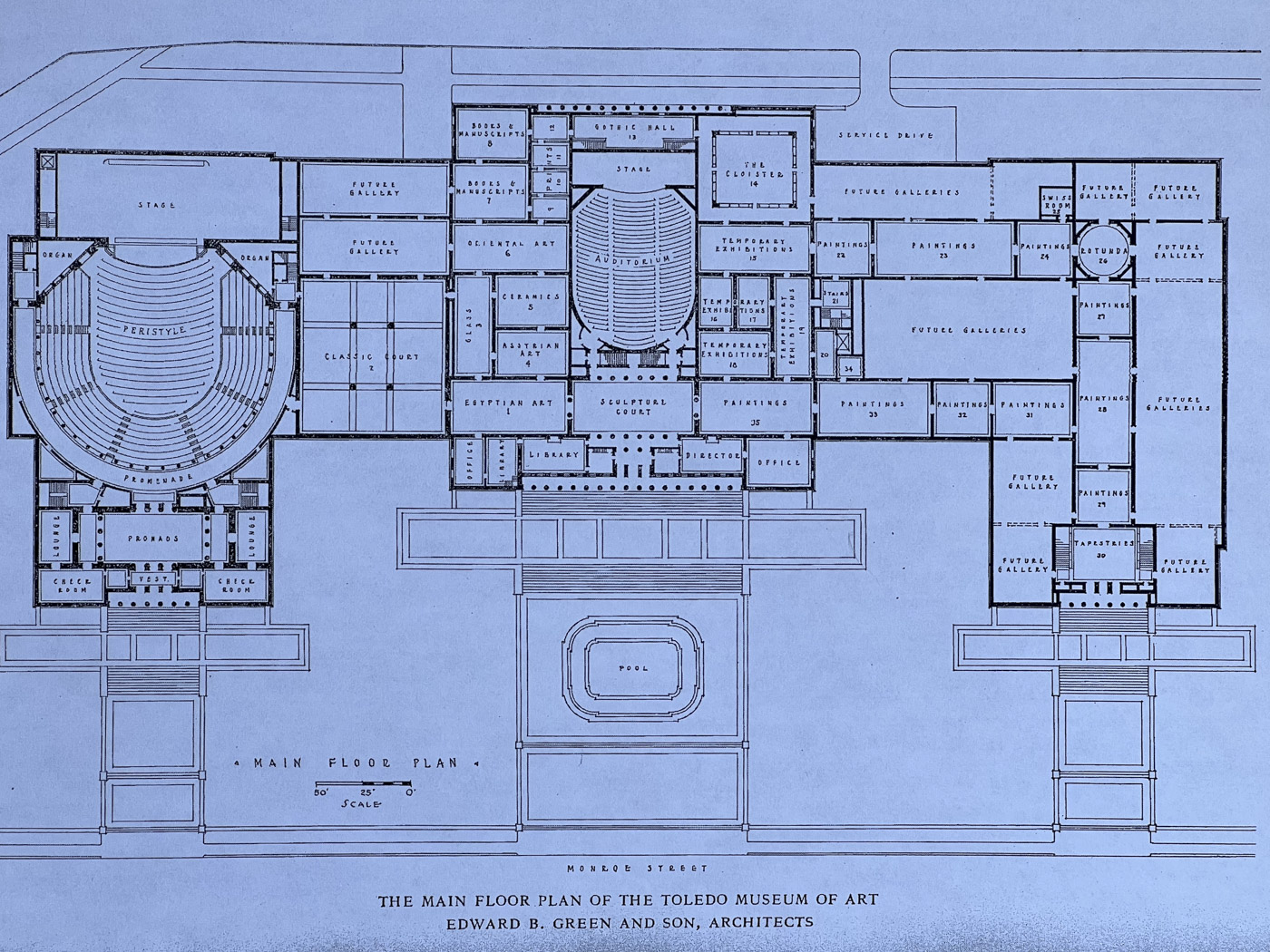
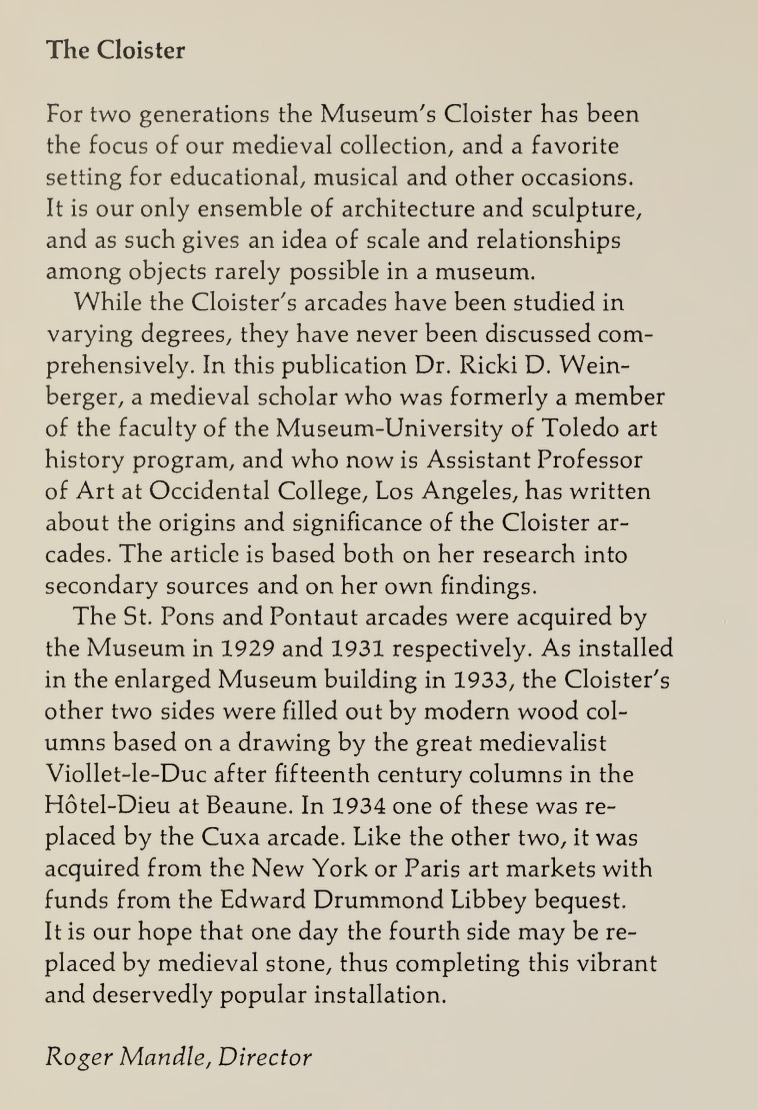
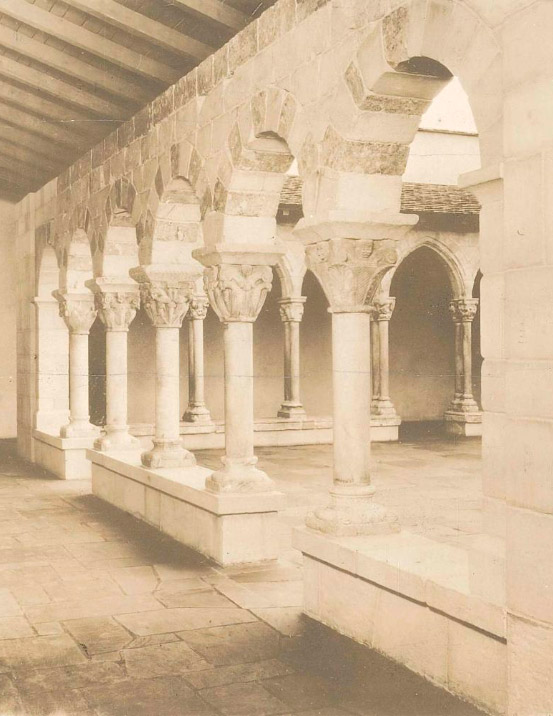
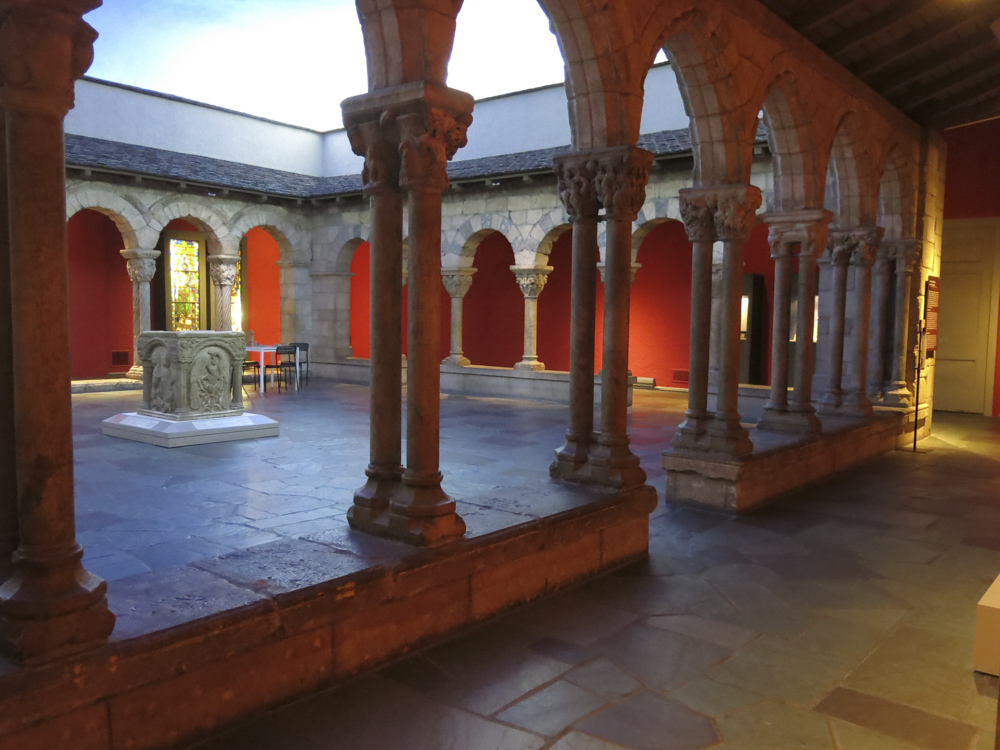
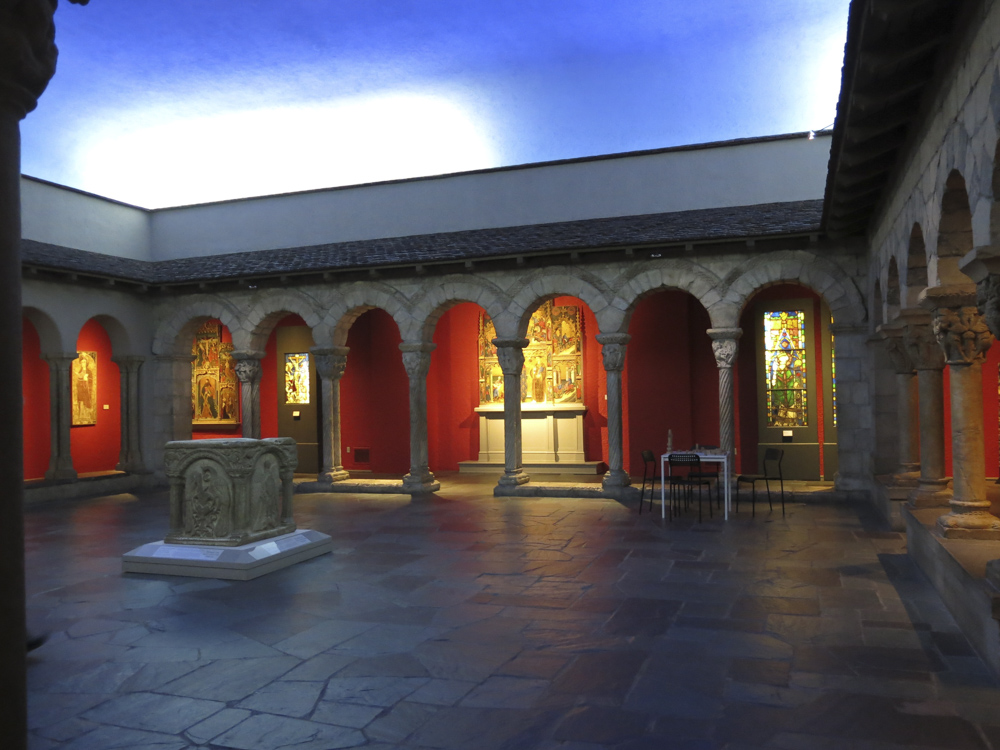
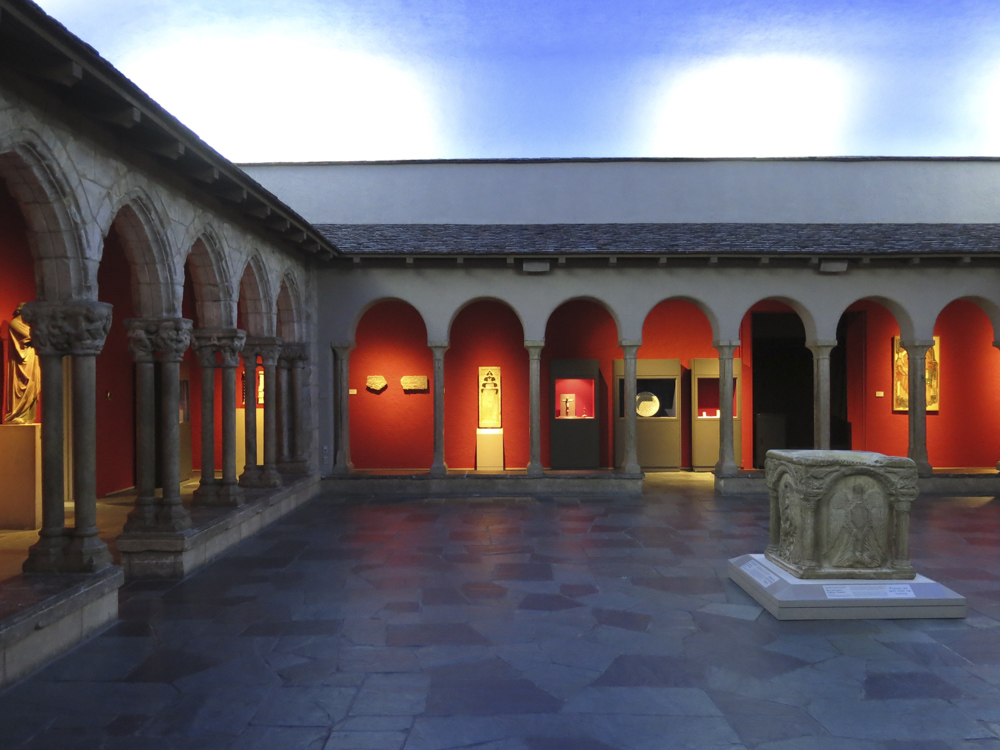
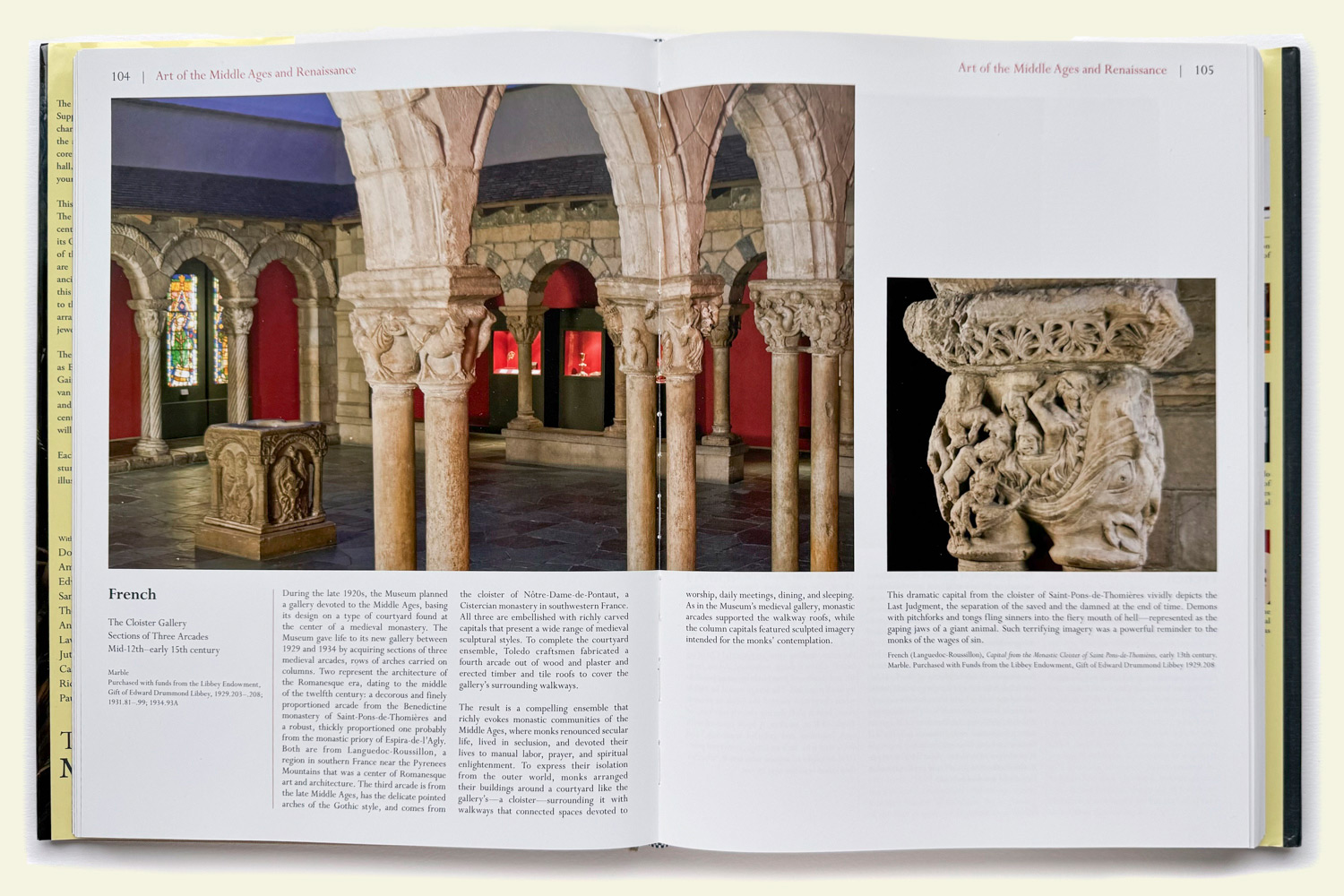
Toledo’s cultural heritage – The Cloisters, gift of Edward Drummond Libbey
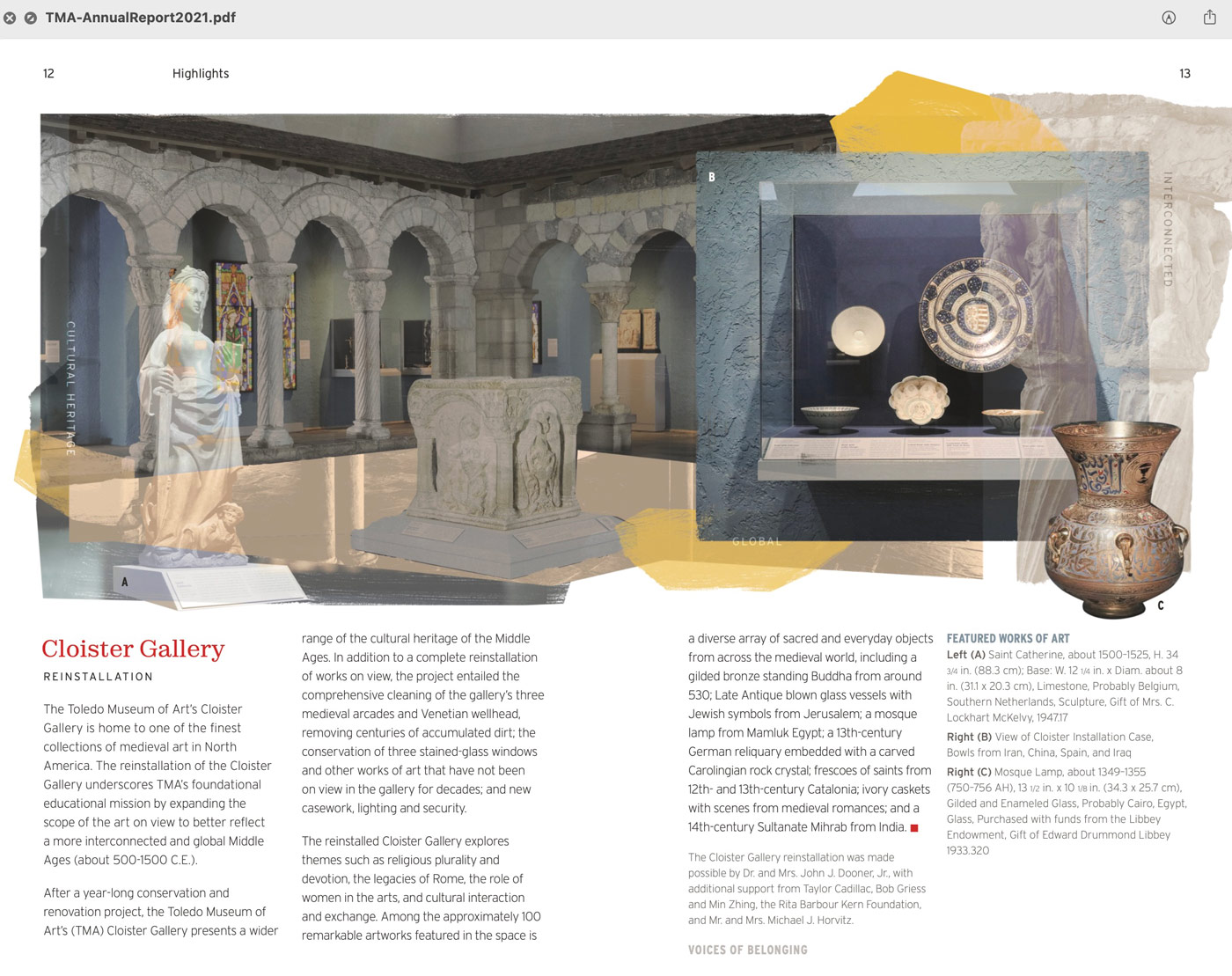
The Cloister Gallery underwent a substantial renovation in 2021, which was made possible by Dr. and Mrs. John J. Dooner, Jr., with additional support from Taylor Cadillac, Bob Griess and Min Zhing, the Rita Barbour Kern Foundation, and Mr. and Mrs. Michael J. Horvitz.

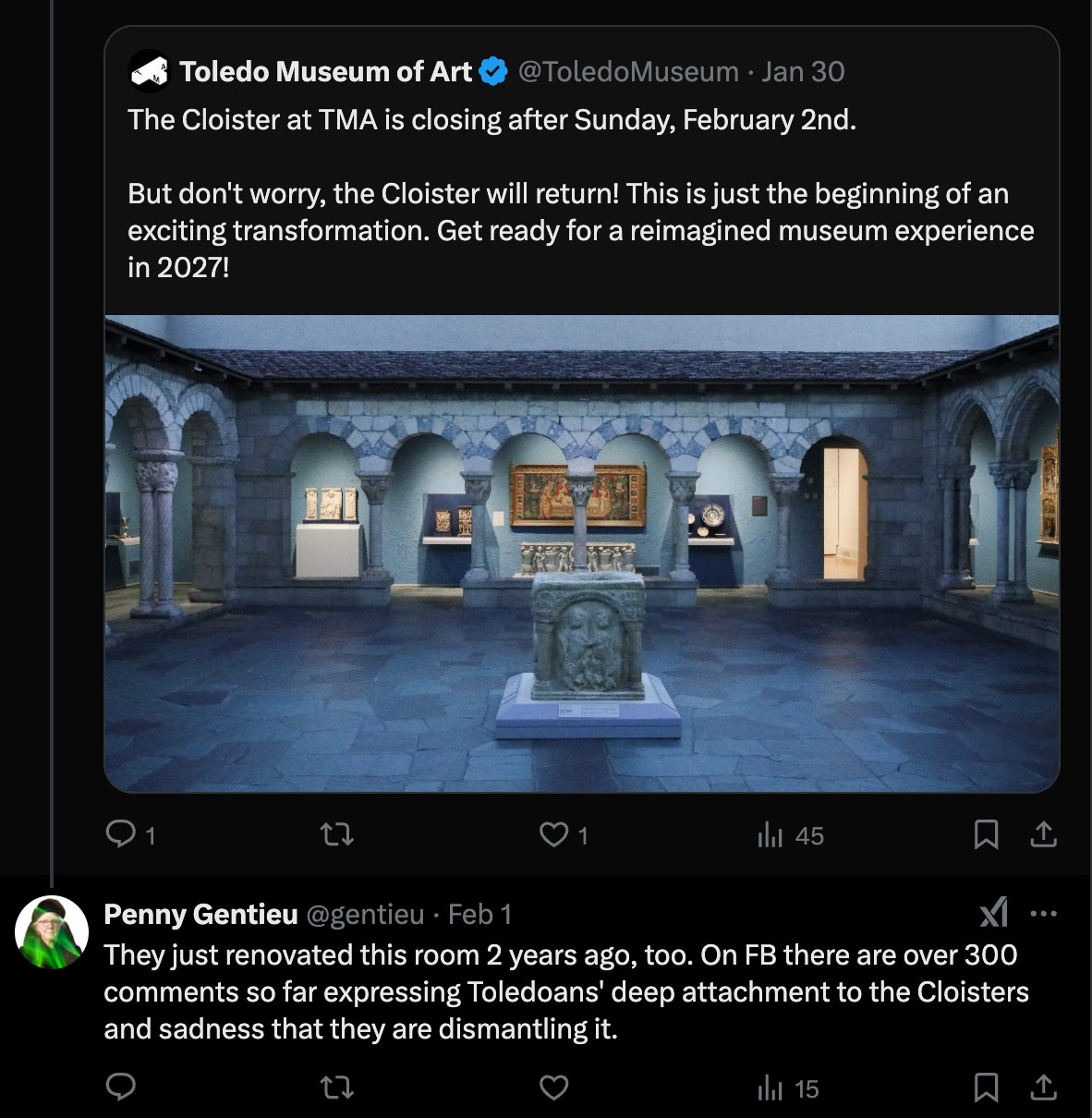
With only three days notice, on January 30, 2025 the museum announced the closure of The Cloister Gallery on February 2, 2025.
A plan had been shown at the Museum’s 2023 curatorial New Horizons Symposium that showed that the Cloister Gallery would be moved. The first plan was to move it to the location of the recently installed Wolfe Gallery is, then, in an article in the Toledo Free Press following the sudden closure of the cloisters in February 2025, it was shown on a photo tucked away in a slide show at the end of the article that the Cloisters would be moved to galleries 3, 4, 5 & 6.
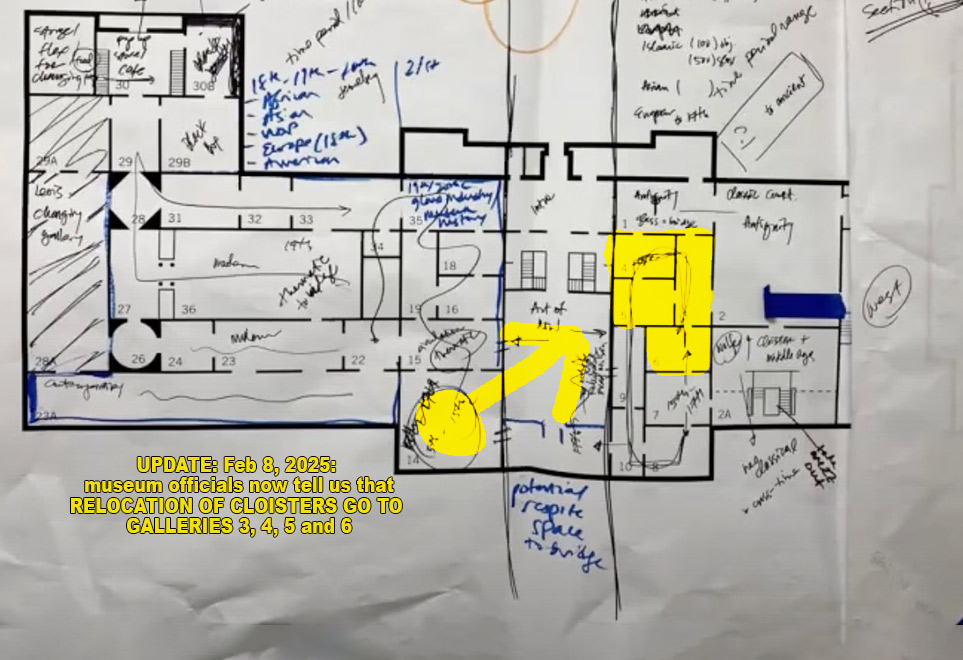
Soon after the beloved gallery was closed, and the new location was announced, the museum store was relocated in Gallery 3 on on May 27, 2025. Gallery 3 is the east half of the new cloister space. Why then was the Cloister Gallery closed so abruptly?

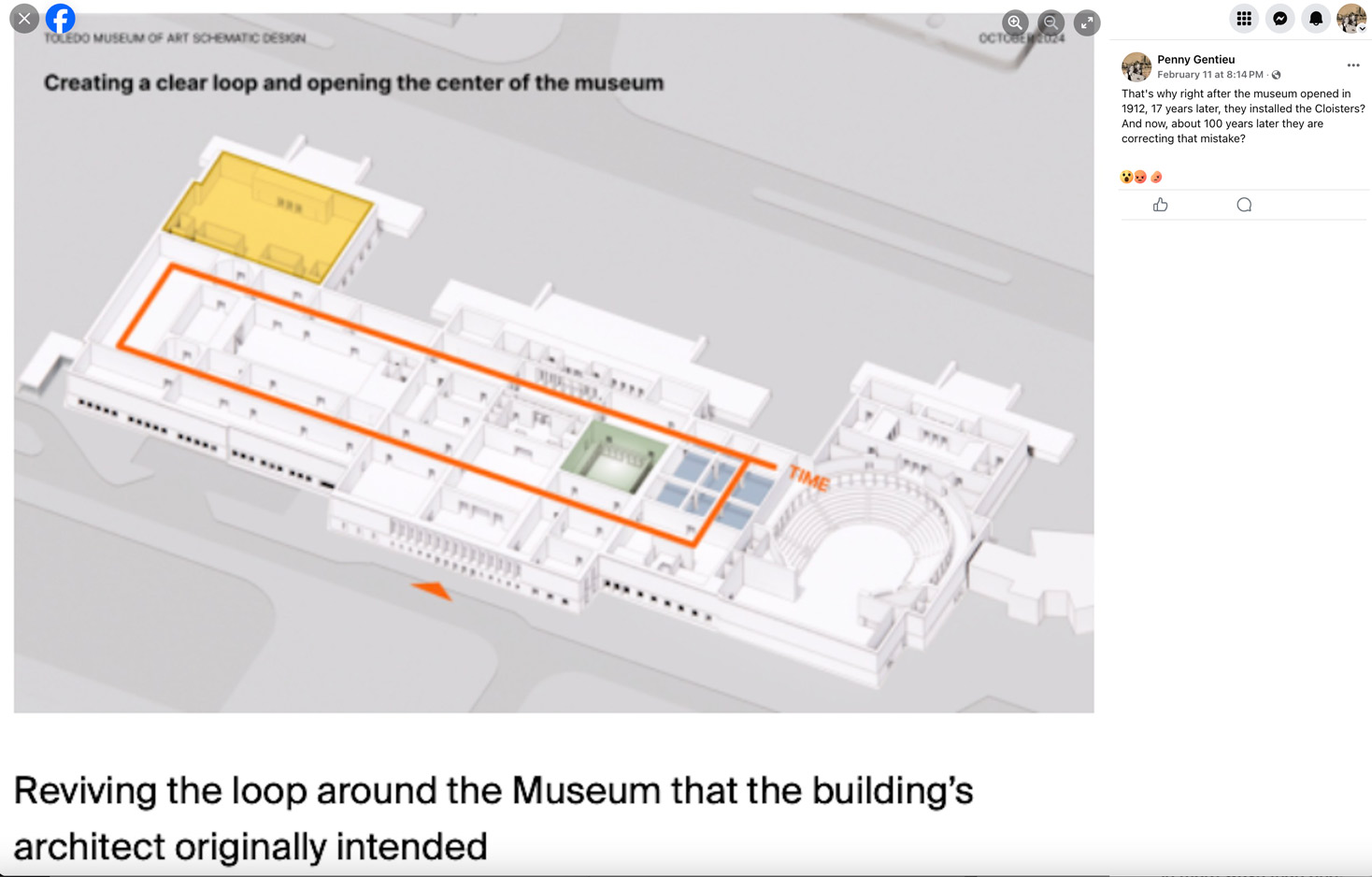
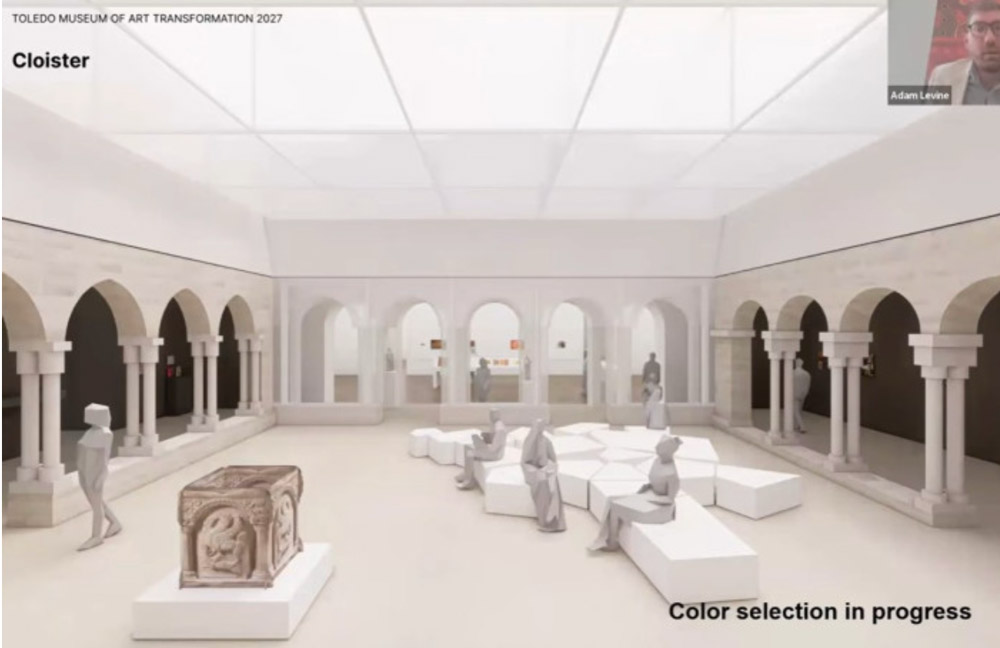
Cloister Gallery Announcement on Sept. 8, 2026
The Dooners funded the 2021 renovation. Since then, Dr. John Dooner has passed away, and Marja Dooner has provided additional major support to move the Cloister Gallery, which is named the Mercy Health Cloister Gallery, in recognition of their generous support of the Museum. Marja Dooner is a former emergency nurse at Mercy, and Dr. Dooner was an anesthesiologist at Mercy.
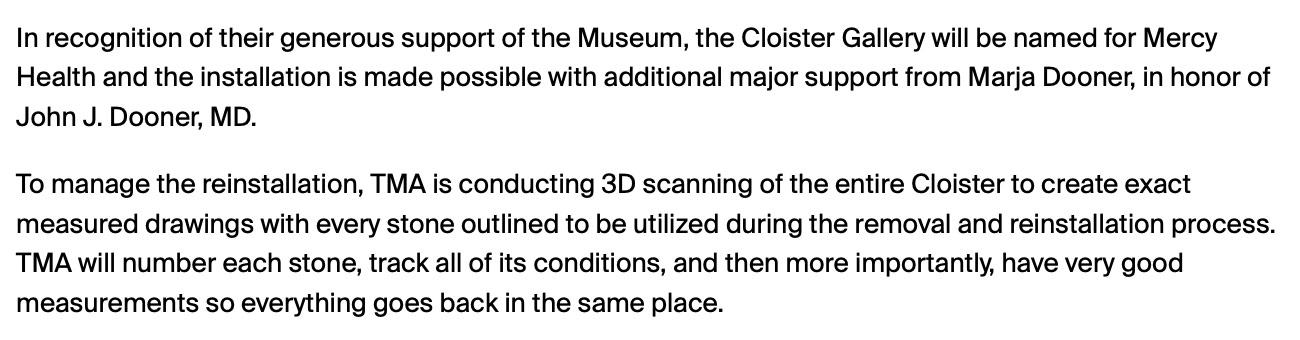
Apparently no progress had been made during the previous 20 months since the time the Cloister gallery was urgently closed.
They are just now conducting 3D scanning, present tense, and will number each stone, future tense. So why was it closed in a hurry if work on it has just gotten started, 20 months later?

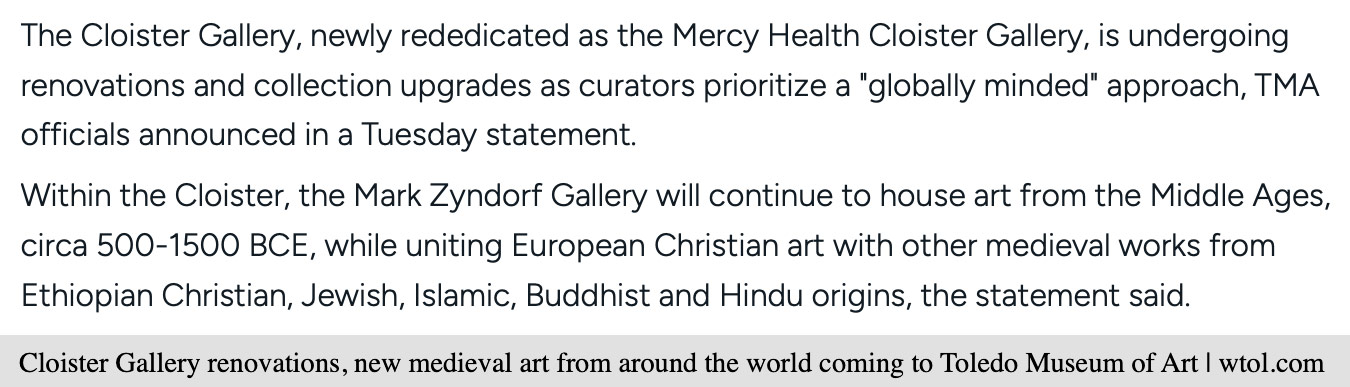
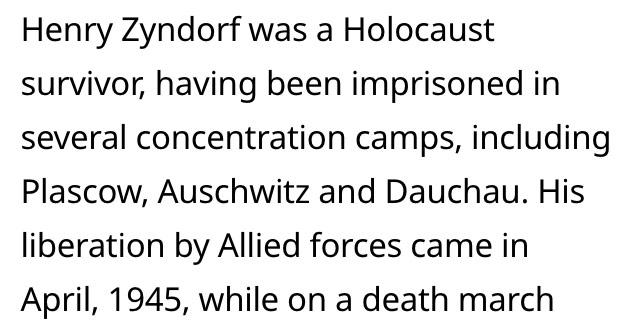
Within, or adjacent to, the Mercy Health Cloister Gallery will be the Mark Zyndorf Family Gallery, in honor of his parents, Henry and Helen Zyndorf, which will exhibit the 100 or so artworks previously shown within the historic Cloister Gallery and a few new pieces. The centuries-old artworks, being sensitive to the light, generally cannot to be displayed under the newly planned skylight conditions. Hence, the Mark Zyndorf Family Gallery is described as being both within the Mercy Health Cloister Gallery as well as adjacent to it.
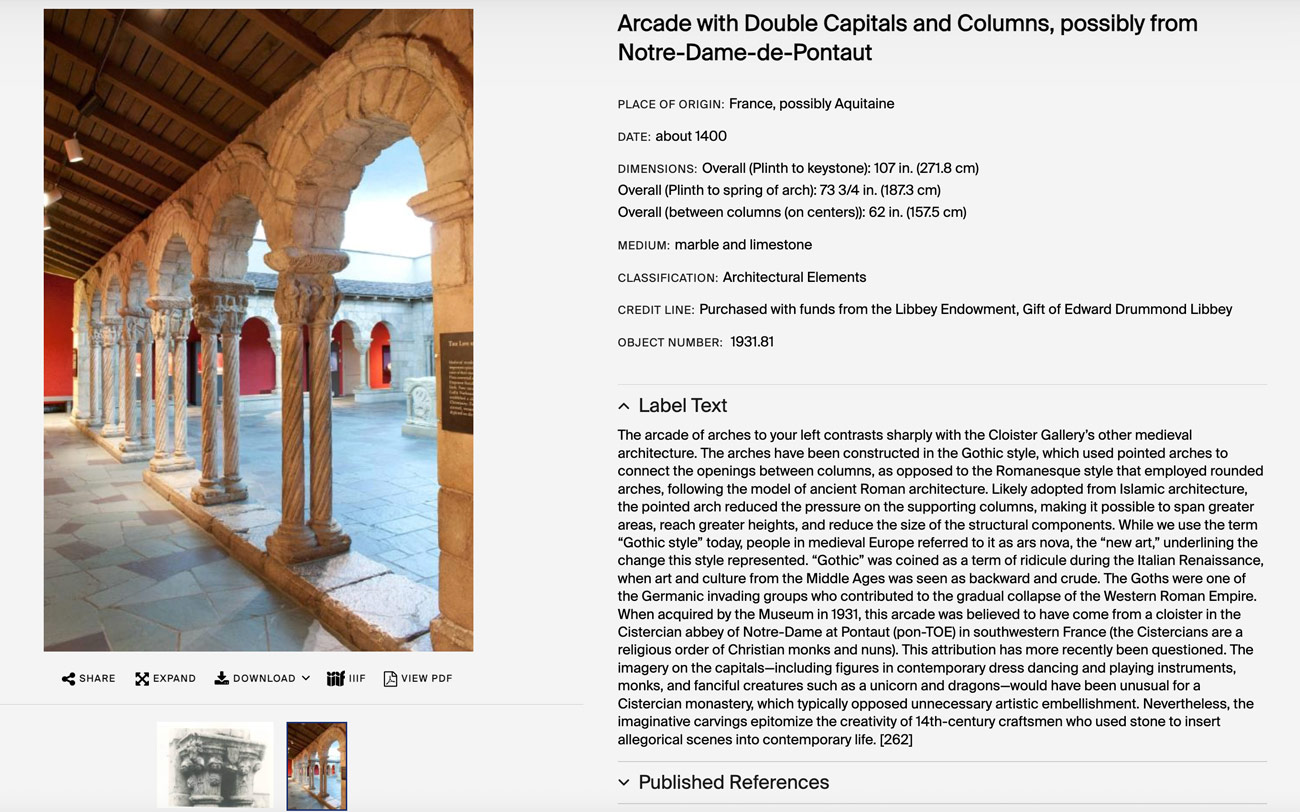
The Cloister Gallery, based on the design of a type of courtyard found in the center of a Christian medieval monastery, is now renamed for Mercy Health, a Toledo hospital system founded and operated by nuns throughout the 20th century.
The memory of Holocaust survivors is very important and should absolutely be honored, but to literally frame it within Christian architecture is like associating a gallery of Islamic architecture with the victims of the 9/11 attacks.
The architecture of the cloisters itself creates meaning. The Museum has always characterized the Cloister as a beloved community space and educational environment, but the new arrangement changes what that space communicates. The association takes the cherished uplifting gift of Edward Drummond Libbey, literally moving it and and relating it to the worst human tragedy in recent history.
It separates rather than unites people, which supposedly was the point of bringing in the global medieval artworks of different religious origins to the Cloisters.
Should a public charitable museum take one of its most recognizable historic and community-oriented spaces and fundamentally alter its character through an interpretive framework assigning collective historical meaning to the Christian tradition represented by that space?
I respectfully ask the Charitable Law Section to consider whether the Museum’s proposed treatment of the Cloister is consistent with its obligations as a public charitable institution, including:
- Whether the substantial repurposing and reinterpretation of the historic Cloister Gallery is consistent with the charitable and public purposes for which the Museum holds its property and collections;
- Whether the Museum has adequately considered the historic and community function of the Cloister as a distinctive public space rather than treating it simply as available gallery square footage;
- Whether the Museum’s decision to associate the Cloister’s medieval Christian architectural elements in memory of a Holocaust survivor represents a substantial change in the character or public use of a historic Museum asset that warrants review;
- Whether the Museum has appropriately considered the interests of the Toledo community in determining how this historically significant space should be used; and
- Whether donor, corporate, sponsorship, or naming arrangements have played any role in determining the relocation, reconfiguration, closure, interpretation, or future use of historically significant Museum galleries, and whether such arrangements are consistent with the Museum’s fiduciary obligations and charitable purposes.
Who is paying for this complete transformation of the jewel of a museum Toledoans love just the way it is, in addition to the $24 million that the museum got in a bond for the new air conditioning?
{add: the new all women development directors and staff collecting money and selling naming rights} 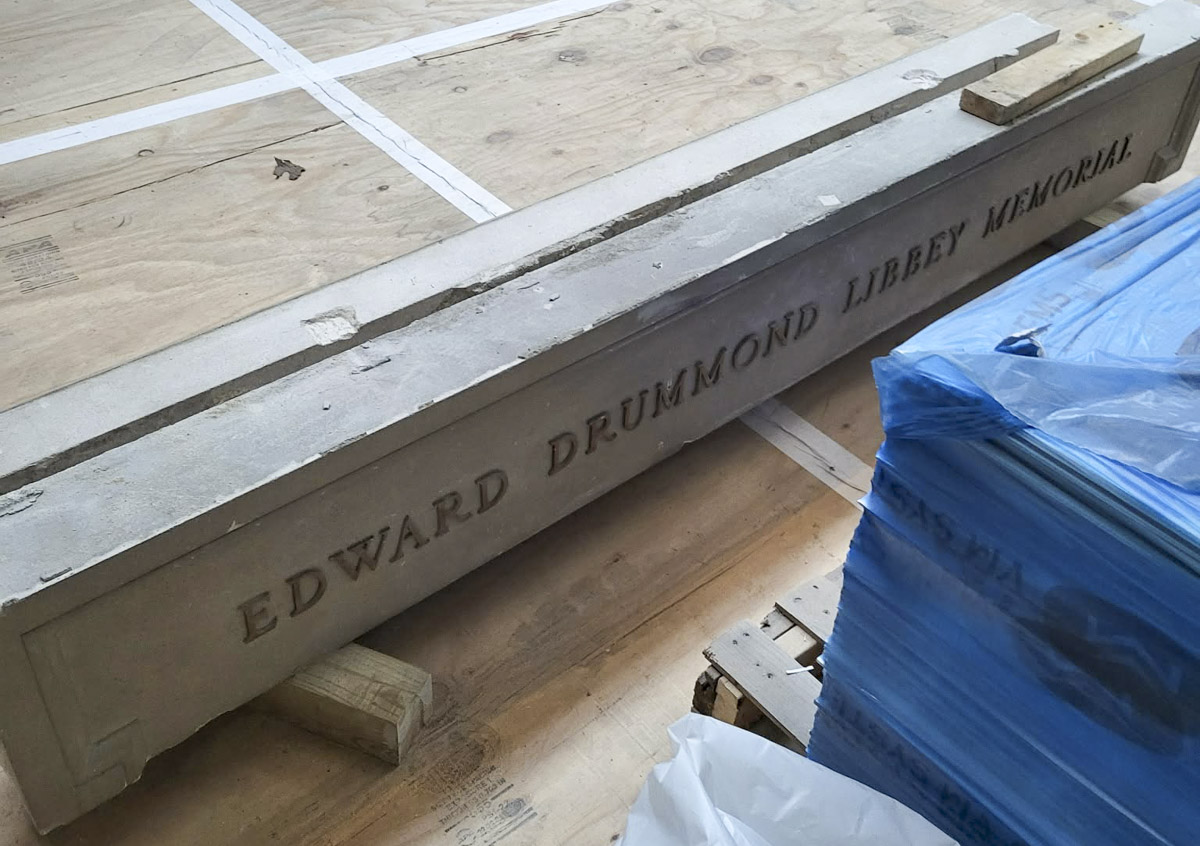
The Museum’s physical galleries are being converted into donor named spaces.
The New Naming of Museum Galleries
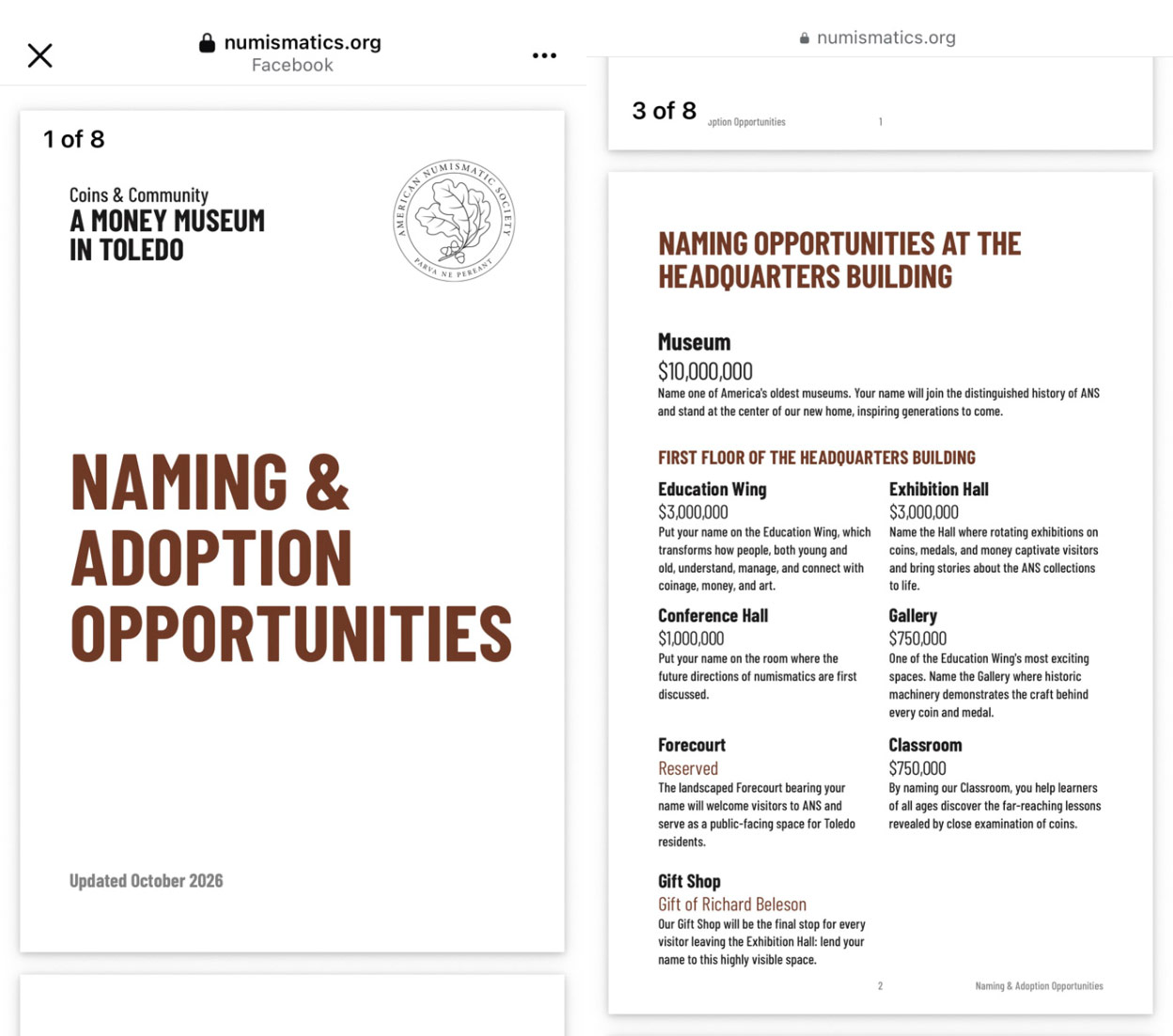

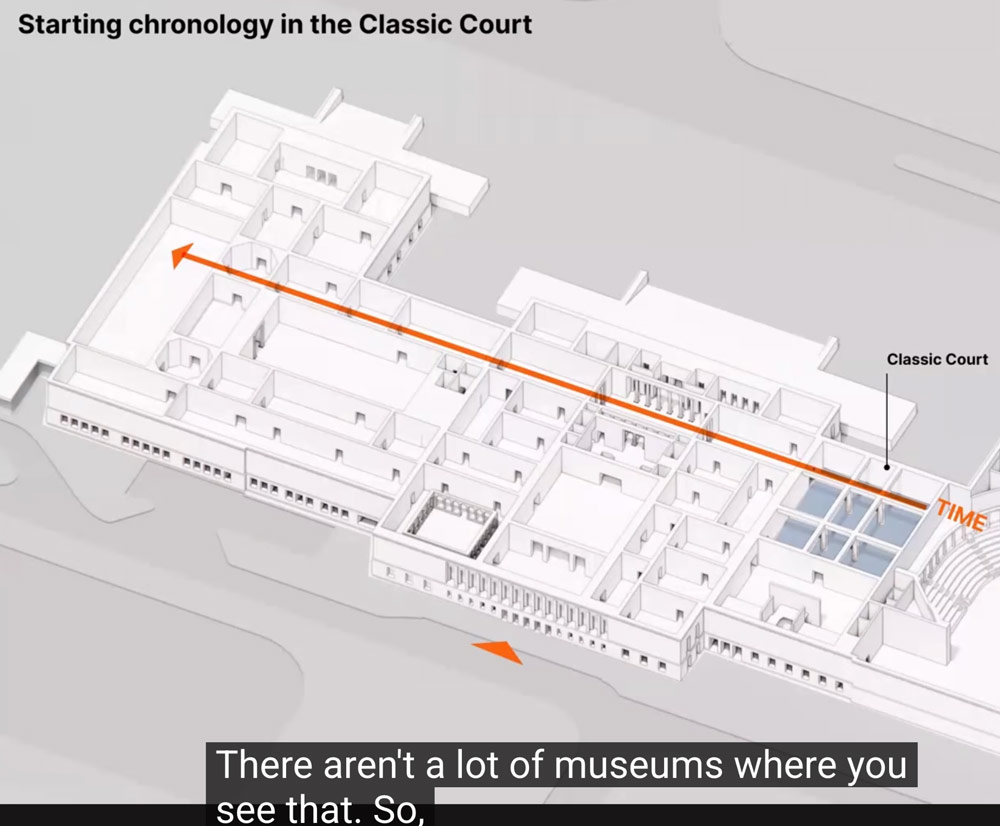
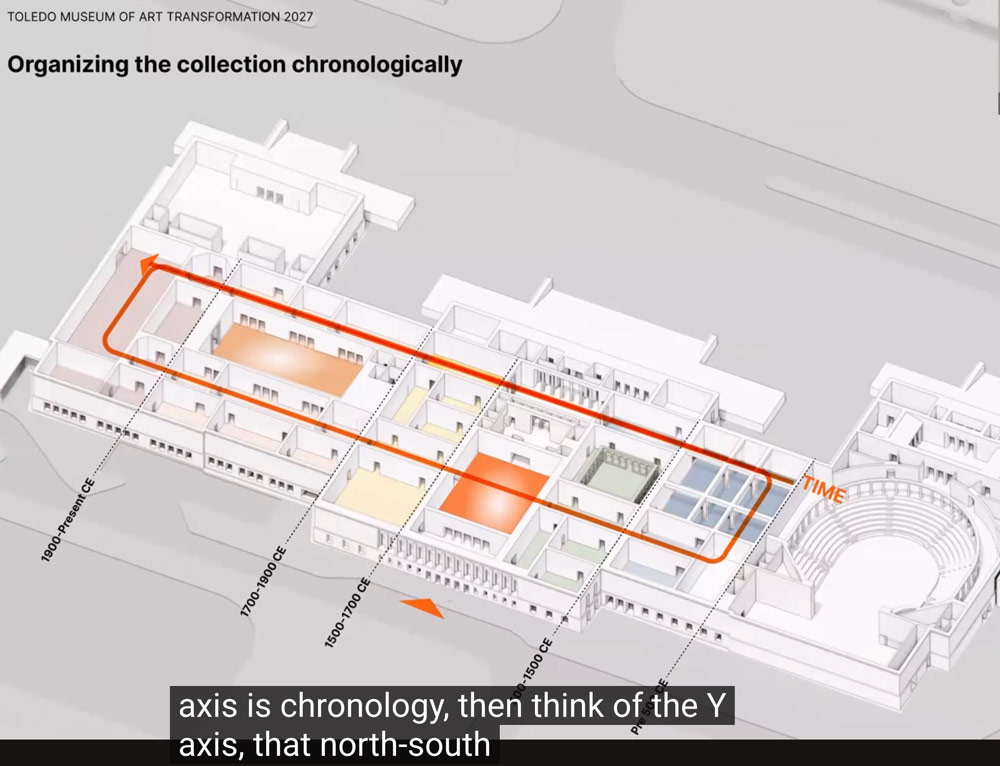
Weren’t we told that the museum had to be reinstalled according to chronological order, and that’s why the Cloisters had to be moved? It seems instead that they are selling naming rights and hanging art willy-nilly.
The proposed transformation of the Cloister also raises a separate question concerning the increasingly prominent role of donor and corporate naming in the Museum’s reconfiguration of its galleries.
The former Cloister Gallery is now to be called the Mercy Health Cloister Gallery, with a Zyndorf Family Gallery within it, honoring Henry and Helen Zyndorf. Other galleries are likewise receiving new names as part of the Museum’s current reorganization.
The location of the museum store, which was where local art was sold, has been turned over to a new Renovation Lab with stadium seating, named for the Carols.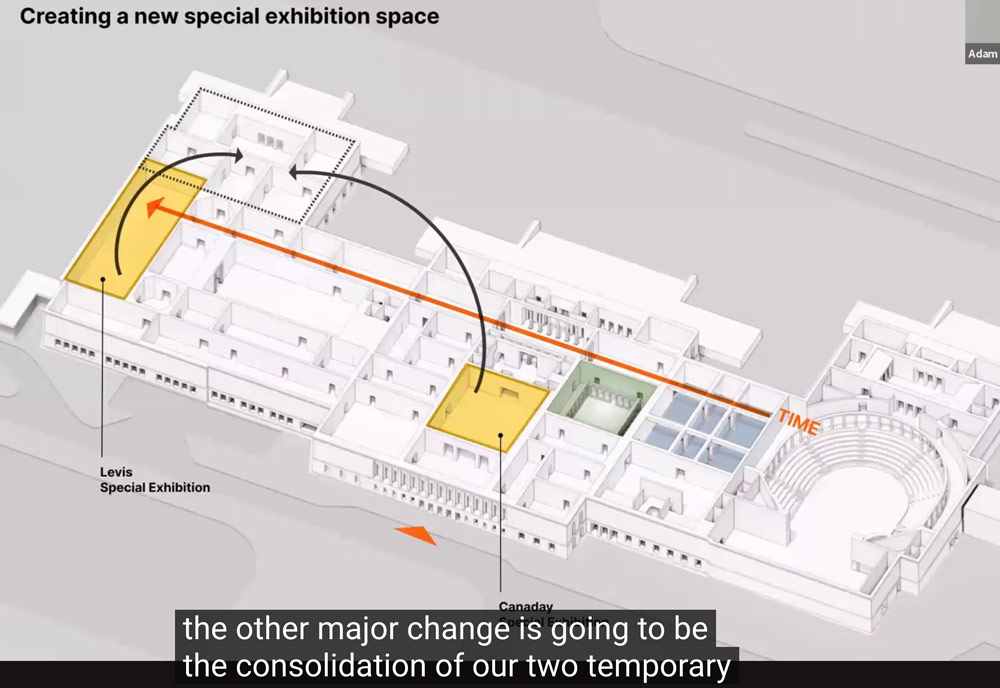
The Ward Canaday Gallery, which was a large temporary exhibition space, will be the Trumbull Family glass history gallery, with the historic glass taken from the Glass Pavilion, the change of which is the subject of this post: What the Blade didn’t publish about the Glass Pavilion.
 Gallery 35, which was the prominent front gallery which exhibited French Impressionism, will be a gallery “sampling of Toledo’s collection over the years” in the name of Robin and Pat Stranahan.
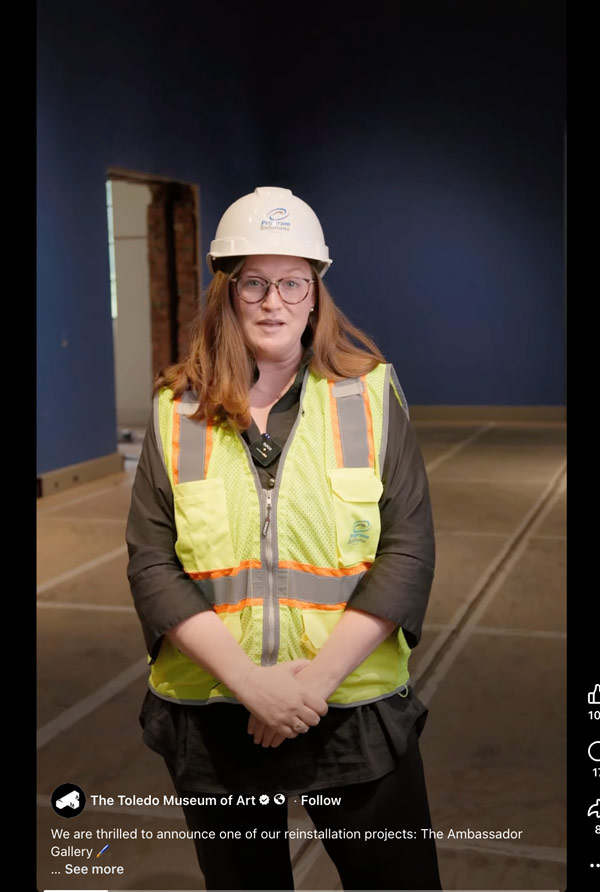 Gallery 1 has been sold to the Ambassador group for $1.5 million. This is the gallery directly east of the Libbey Court. In it will hang 30 new acquisitions spanning thousands of years and 6 continents.

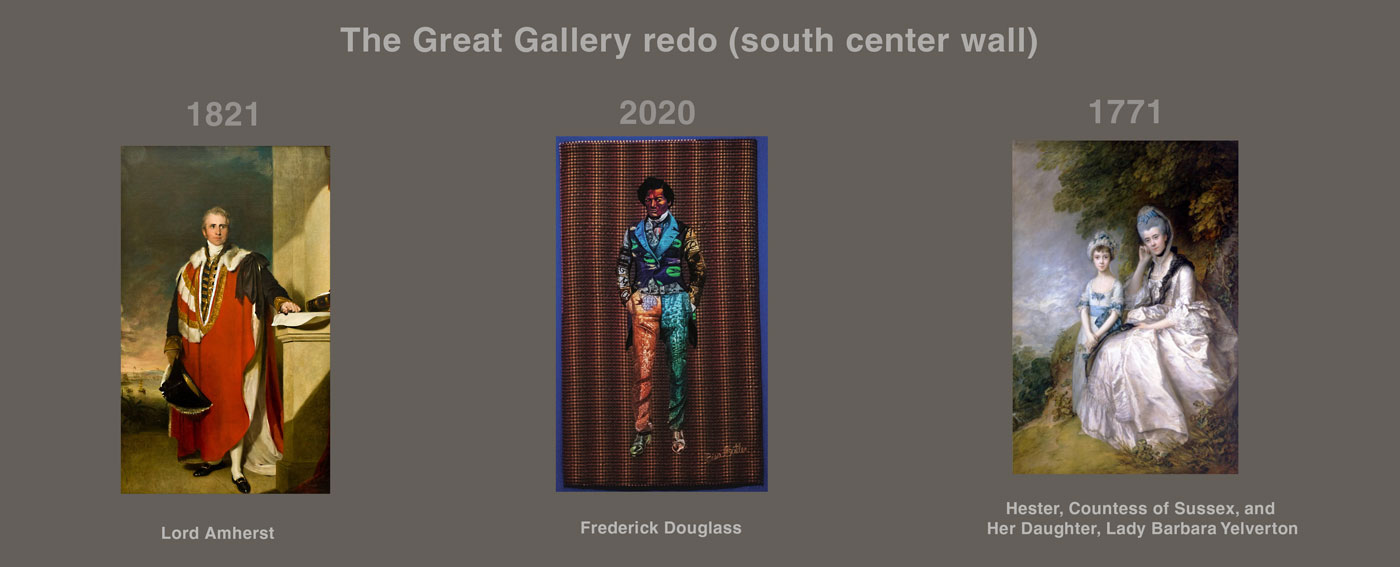
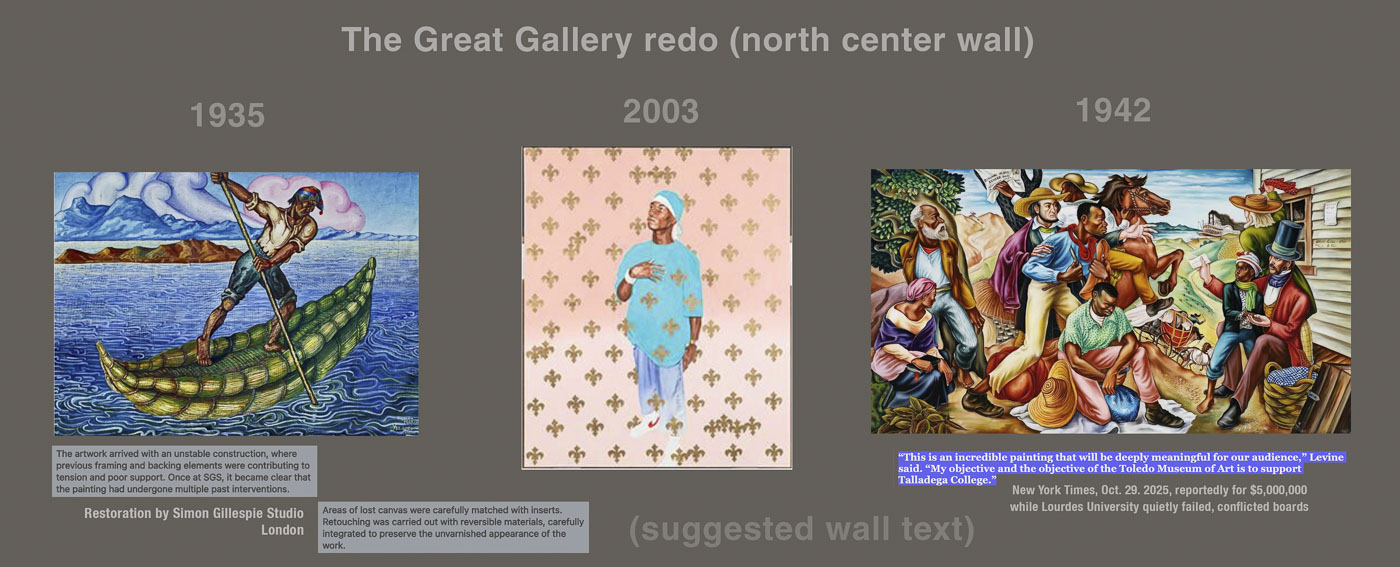 Then there is the Great Gallery, replacing Baroque paintings with identity politics art spanning 500 years. Wonder who bought that. It probably cost at least $3 million.
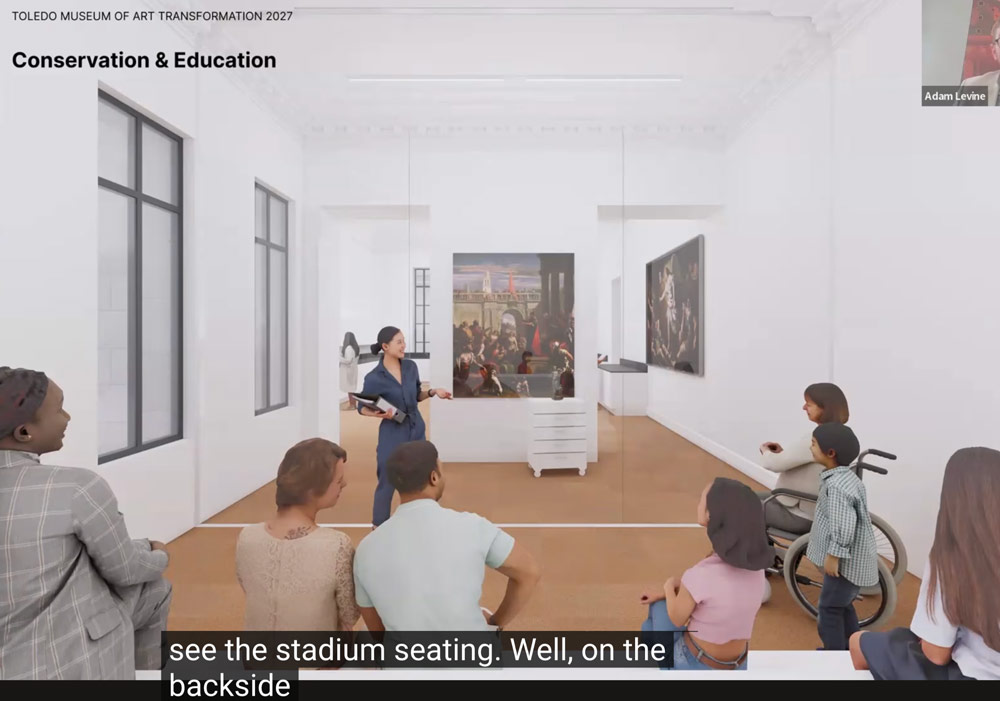
As for the Cloisters, it’s now the Mercy Health Cloister Gallery, and the art in it is a gallery called the Zyndorf Family Gallery, named in memory of the parents, who were Holocaust survivors. Not to minimize the importance of that memory, but it is being framed in medieval Christian architecture. If that is too heavy to think about, to smooth the way will be the symbol of peace — the Cup of Joy — Jewish-Muslim friendship from 1,000 years ago. Because it’s so rare, isn’t it?
That is what has been announce so far. We are waiting to hear the fate of the Wolfe Gallery of Contemporary Art, built in 2012.
In this particular instance, the availability of naming opportunities and donor recognition has become intertwined with decisions about the disposition, relocation, physical configuration, and interpretation of historic Museum spaces.
The Cloister was not an anonymous gallery that happened to occupy a particular room. It was a distinctive architectural installation with a long history, a recognizable identity, and a particular relationship to the Museum’s medieval collection and to the Toledo community. It didn’t need to be moved. As that space is now being substantially altered and given a new corporate and family-donor identity, the public deserves to know whether the naming arrangement followed the Museum’s decision to redesign the space, or whether commitments to donors helped determine how the space would be redesigned and used.
I therefore respectfully ask the Charitable Law Section to determine, as part of its review:
- whether the Mercy Health Cloister Gallery and Zyndorf Family Gallery names are governed by formal naming agreements or other donor arrangements;
- the duration and terms of those agreements;
- whether the agreements involve financial contributions, restricted gifts, sponsorships, or other consideration;
- whether the naming arrangements preceded or followed the Museum’s decisions concerning the relocation and reconfiguration of the Cloister;
- whether any donor or corporate commitments restricted the Museum’s ability to determine the future use, interpretation, or configuration of the space;
- whether the Museum’s board formally approved these arrangements and, if so, how the board evaluated them in relation to the Museum’s charitable purposes; and
- whether the Museum’s broader program of renaming galleries represents a change in the way historically significant Museum spaces are being managed and presented to the public.
I believe these are appropriate questions for charitable oversight because the issue is not simply what name appears on a gallery wall. The underlying question is who is determining the future use and character of property held by a public charitable institution, and under what authority and conditions.
If the Museum is merely recognizing donors for gifts that have no bearing on curatorial or facilities decisions, that distinction should be readily demonstrable. If, however, donor agreements have become a factor in determining which historic spaces are retained, moved, renamed, or repurposed, that would be relevant to understanding the museum’s stewardship of its charitable assets.
I therefore respectfully request that any review of the Cloister also examine the underlying donor and naming agreements and the decision-making process through which the museum’s historic galleries are being renamed and reconfigured.
Interestingly, the Dooners inspired the museum to add this little painting to the museum collection in 2020, right before the Dooners’ substantial donation for the 2021 renovation of the Cloister Gallery. Toledo is the only U.S. museum to collect this Finnish artist’s work, which purchase was mentioned in Mr. Dooner’s obituary as being a nod to Mrs. Dooner who was born in Finland.