A 20th-anniversary celebration was an opportunity to ask what happens next. Instead, an important public conversation went missing.
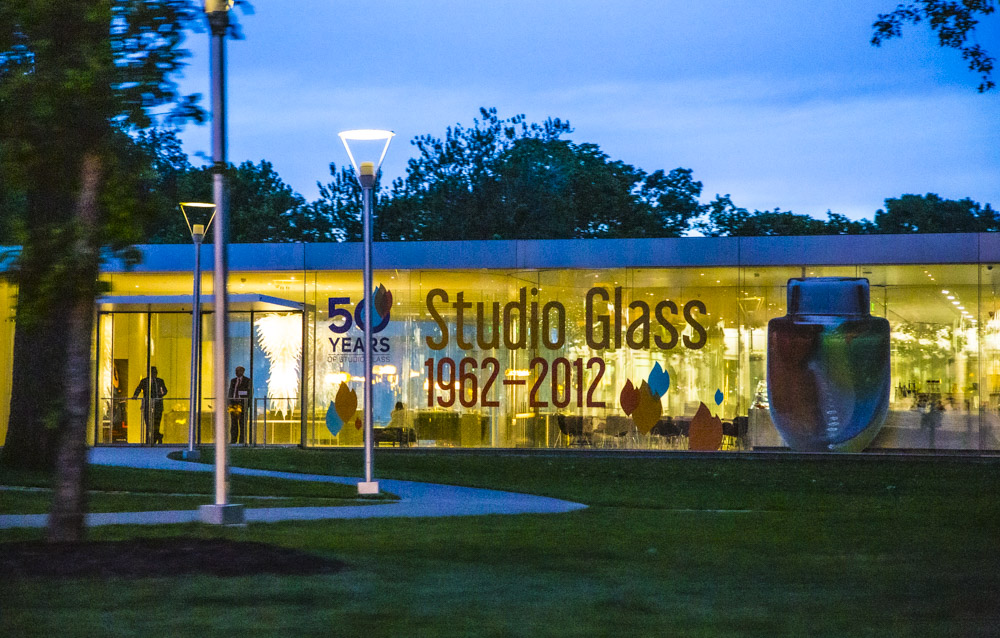
On August 16, The Blade published an article, written by the journalism intern, Chantal Eulenstein, marking the 20th anniversary of the Toledo Museum of Art’s Glass Pavilion.
A museum anniversary is an opportunity to look backward—but also forward. What did this building mean to Toledo? Why was it created? What has happened during its first twenty years? And, most importantly, what does its next twenty years look like?
There is quite a story to tell about that last question.
The Toledo Museum of Art is now fundamentally changing the relationship between the Glass Pavilion and the collection it was specifically created to house. That change has generated serious concern among people who believe the Pavilion’s architecture, its glass collection, Toledo’s industrial history, and the history of the Studio Glass Movement form an extraordinary and irreplaceable whole.
But people don’t know what’s going on with the changes at the Glass Pavilion, and this article did not say anything about it.
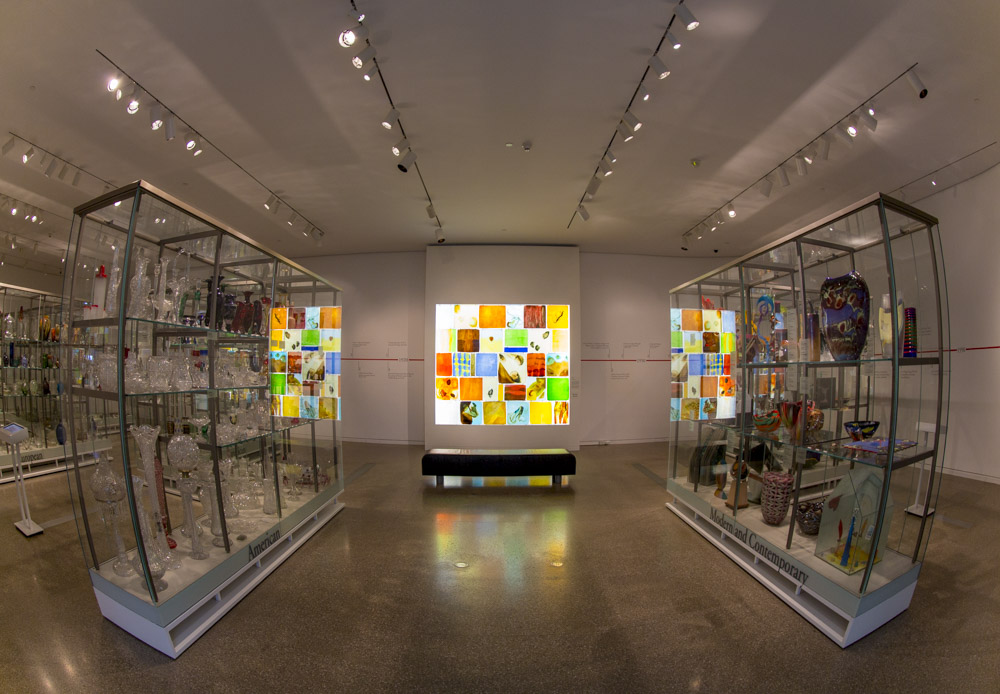
It was misleading and inaccurate to report that “It also houses the first of the glass collections purchased by glass industrialist Edward Drummond Libbey in 1913.” These works were removed from the Pavilion in 2023 when the “Glass Study Room” was repurposed and cleared out. Unreported anywhere, but discovered on an employee’s Linkedin page, over 2,000 glass artifacts were removed in 2023 and put in storage. One can easily see on the TMA emuseum website that these works, that were added to the collection in 1913, the gift of Edward Drummond Libbey, are no longer on display.
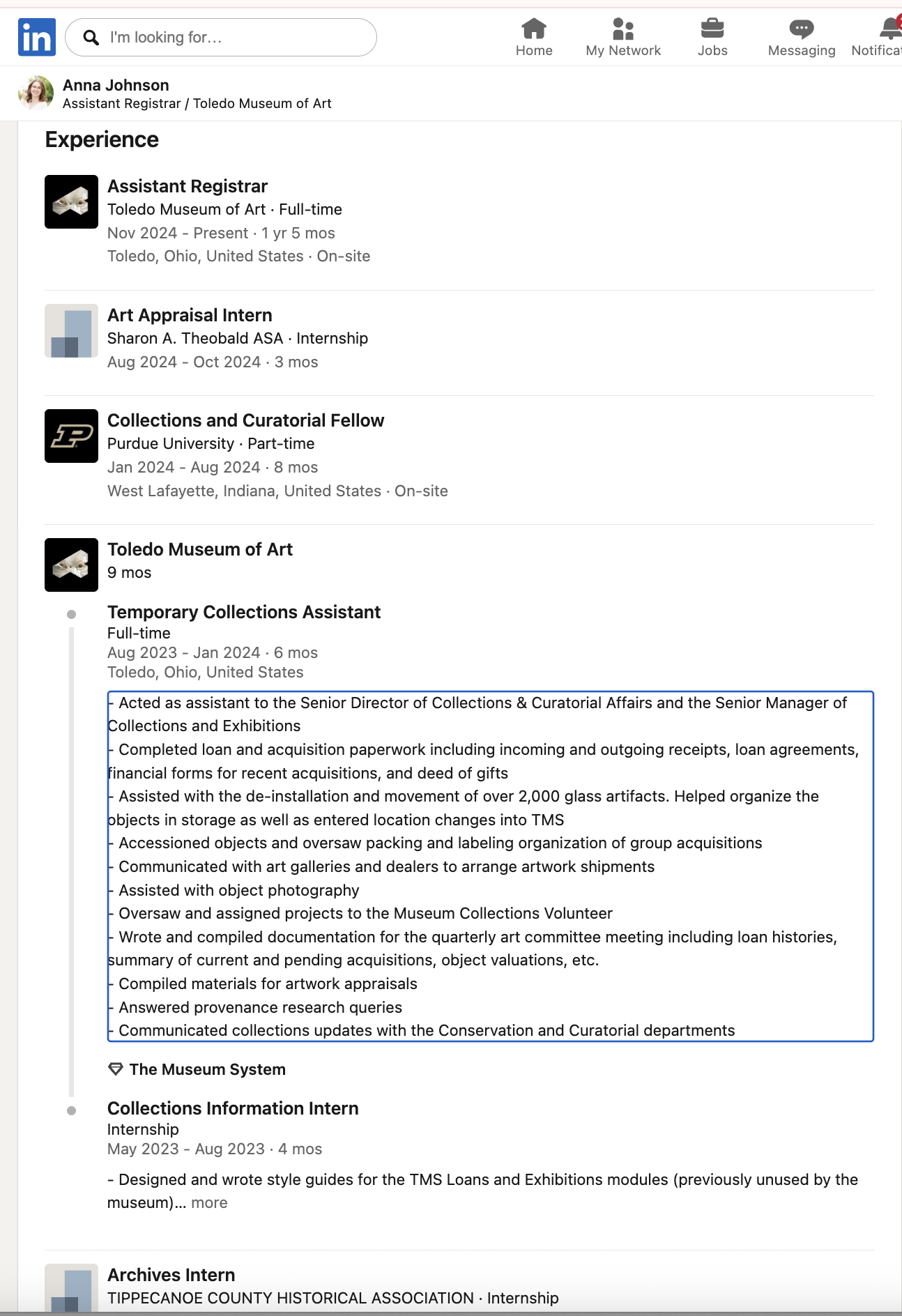
They now have a “TMA Forever Exhibit” in that gallery, how ironic. (here is a link to my recent blog post about it:)
The Blade’s anniversary article did not explore any of these issues, but it could have.
In fact, a thoroughly researched guest editorial (shared with me) was submitted to The Blade specifically in response to the anniversary coverage. It examined the history of the Glass Pavilion, the relationship between the building and the collection, and the unique role Toledo played in the development of Studio Glass.
It asked this:
Why weaken something that Toledo has that no other city can reproduce?
The editorial pointed out that SANAA did not design an interchangeable exhibition hall that happened to contain glass. The building itself is part of the experience of the collection. It connected architecture, glass, transparency, reflection, sight lines, working furnaces, and Toledo’s history as the Glass City.
It also brought together a history that is rarely told as a whole: Harvey Littleton and Dominick Labino’s 1962 Studio Glass workshops on the Museum grounds; the subsequent development of the Studio Glass Movement; artists such as Dale Chihuly and Therman Statom; Toledo’s industrial history; and the collectors, donors and artists who helped make the Museum’s glass collection what it is today.
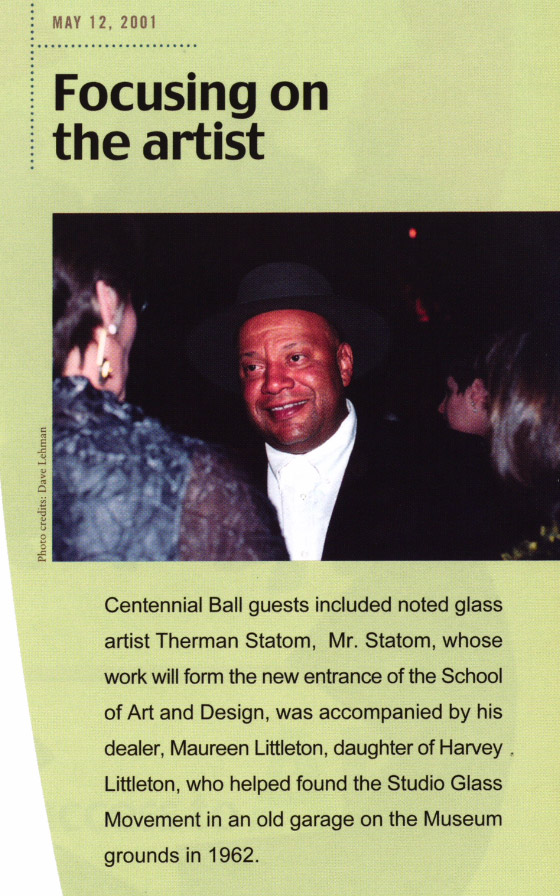
In the 2001 Toledo Museum of Art Annual Report, the Museum itself described Therman Statom’s presence at its Centennial Ball and identified his dealer, Maureen Littleton, as the daughter of Harvey Littleton, whom the Museum described as having helped found the Studio Glass Movement in an old garage on the Museum grounds in 1962.
That is precisely the kind of history that could have made the Glass Pavilion anniversary story meaningful.
Instead, readers were given very little opportunity to consider what will be lost when the relationship between the building and its collection is fundamentally altered.
Meanwhile, The Blade Has Published Another puff piece
On September 3, The Blade published a letter praising its August 20 coverage of the finally disclosed traveling exhibitions and the Museum’s current direction.
The writer, John Fedderke praised the “complexity and global significance” of the project, the “professionalism, care, and thought” of Museum staff, and the decision to send major works from the collection around the world.
The letter repeated some of the Museum’s own framing of the project, describing the traveling paintings as “ambassadors for Toledo” and praising the Museum for “reimagining” itself.
It concluded by thanking Museum staff for their work and calling the project a “once in a lifetime” undertaking.
There is nothing wrong with a reader expressing enthusiastic support for the Toledo Museum of Art. One might question it though when that writer is an advertising professional, in fact John Fedderke used to be the Marketing Director at The Blade. But putting that little fact aside, there is a larger question here:
Where is the equally visible opportunity for readers to hear the substantive case against what is being changed?
This Is Not About Whether Someone Likes the Museum
The problem is that the public is being asked to understand a major transformation of one of Toledo’s most important cultural institutions without being given the full debate surrounding it.
The Glass Pavilion is not simply a building that can be repurposed whenever the Museum changes directors. Its architecture, collection, furnaces, history and Toledo’s identity as the Glass City are deeply intertwined.

Those relationships deserve examination before they are dismantled—not after.
The Glass Pavilion is only one part of a much larger transformation now taking place at TMA. Major galleries are being dismantled or redesigned. The Museum’s collection is being reorganized. Major works have been sent on extended international tours. And Toledo residents have raised serious concerns about what these changes mean for their Museum.
More than 1,700 people have signed the petition “Enforce Libbey’s Will and Protect Toledo’s Art.” A formal request for review has also been submitted to the Ohio Attorney General’s Charitable Law Section.
Whatever one’s position on those questions, it is difficult to characterize them as nonexistent.
The Toledo Museum of Art is undertaking one of the most consequential transformations in its history.
That deserves more than celebration.
It deserves scrutiny.
It deserves competing viewpoints.
And it deserves a newspaper willing to ask difficult questions before the changes become irreversible.
The Glass Pavilion’s first twenty years are worth celebrating.
Its next twenty years are worth fighting for.
Update: September 8: The Blade, founded in 1835, has announced that it will be closing down if it does not find a buyer by the end of the year.