
Stewardship is the promise that what one generation builds, the next will care for and carry forward.
Should the Museum be getting rid of classic American paintings from their historic collection of American art? Does the new director have to get rid of the Museum’s collection of American paintings, so well-curated and scholarly researched that a major book was published in 1979 serving as its catalog of 277 paintings? Is the shrinking of the collection really necessary to make way for “global endeavors” (whatever that is supposed to be)?
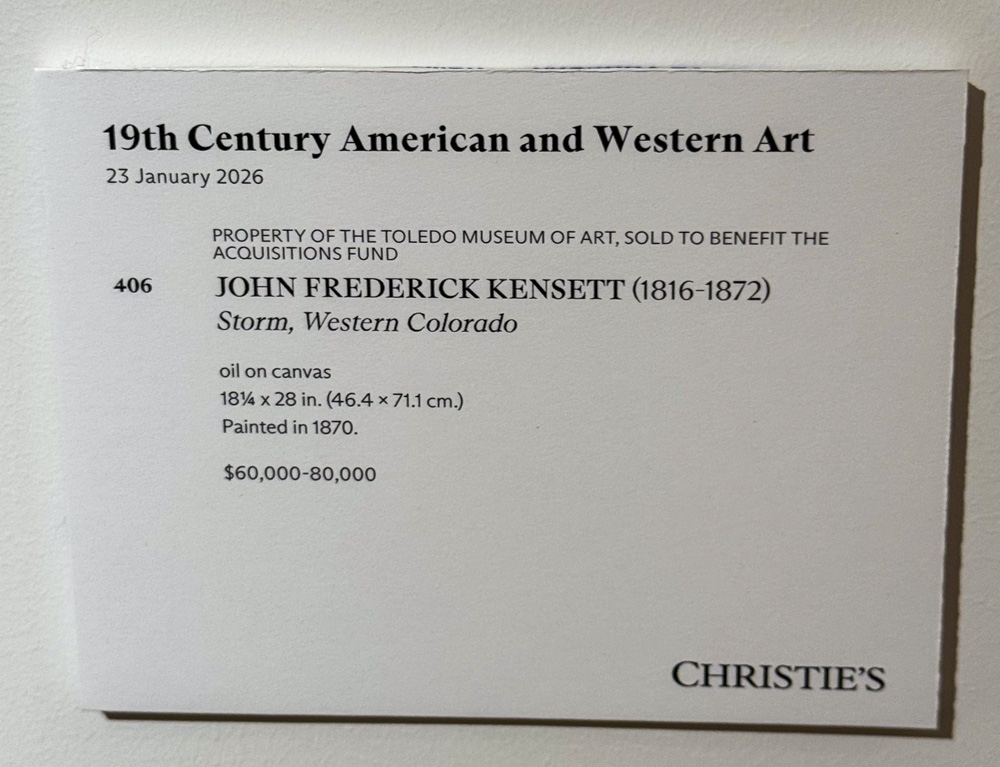
What a fine howdy-do to mark the nation’s 250th anniversary celebration – a massive sale of 18 paintings in an auction titled 19th Century American and Western Art on January 23, 2026 at Christie’s. It was quite opportunistic for the Museum to sell, rather than show, American paintings, and right in sync with the auctioneer’s schedule, who also happens to be a major Museum donor — (an auction house! And so is Sotheby’s, a major Museum donor! Is this ethical?…)
The Museum could have put up an American painting exhibition for show, not for sale, but they chose to put 18 paintings up for sale at Christie’s 19th Century American and Western Art auction instead.
They could have had a show to celebrate the 250th anniversary of America. But instead they sold 19 American paintings.
The Museum closed, and the repair of the HVAC system was the excuse. Along with it, a renovation and reinstallation of the art in chronological order. The project disrupted years of access to art that is held in trust for the community and the educational opportunities that the Museum used to offer the community.
Wikipedia describes what is going on as a “massive multi-year expansion plan to its 40-acre campus,” but in actuality, there will be no increased gallery space or additions. In fact, gallery space will be reduced to make lounges and bathrooms. Not even storage space will be added. But 1,300 new artworks have been added to the Museum’s collection during the past few years. They are spending many millions on the renovation and the new acquisitions, but will have no space to store additional art, so do they sell off everything they don’t happen to like?
Should haters be selling Toledo’s precious collections?
The public perception is that the new director and curators don’t care about the paintings or the fiduciary duty that comes along with being temporary stewards of the art in the public’s trust, or the Libbeys’ Trust and gift of the art museum being for the people of Toledo.
Toledo Museum of Art American Paintings, the book
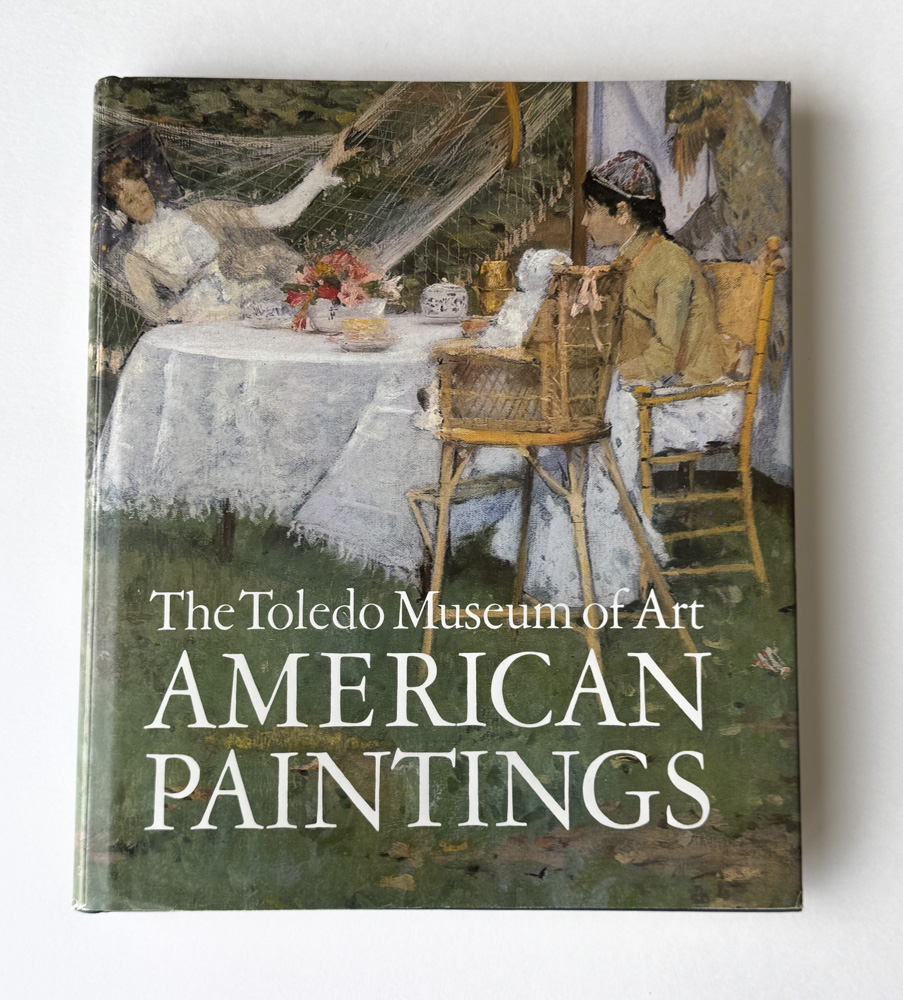
Documenting the painting, its accession number, the year it was painted, and the plate number in the catalog, I compiled a list of 46 deaccessioned American paintings, spanning from 1840 to 1926 (which were the years encompassing the recently sold paintings). These paintings were documented in the complete catalog of the Toledo Museum of Art American Paintings, published in 1979. Remarkably, over one-third of the oil paintings in this category of the collection have been deaccessioned.
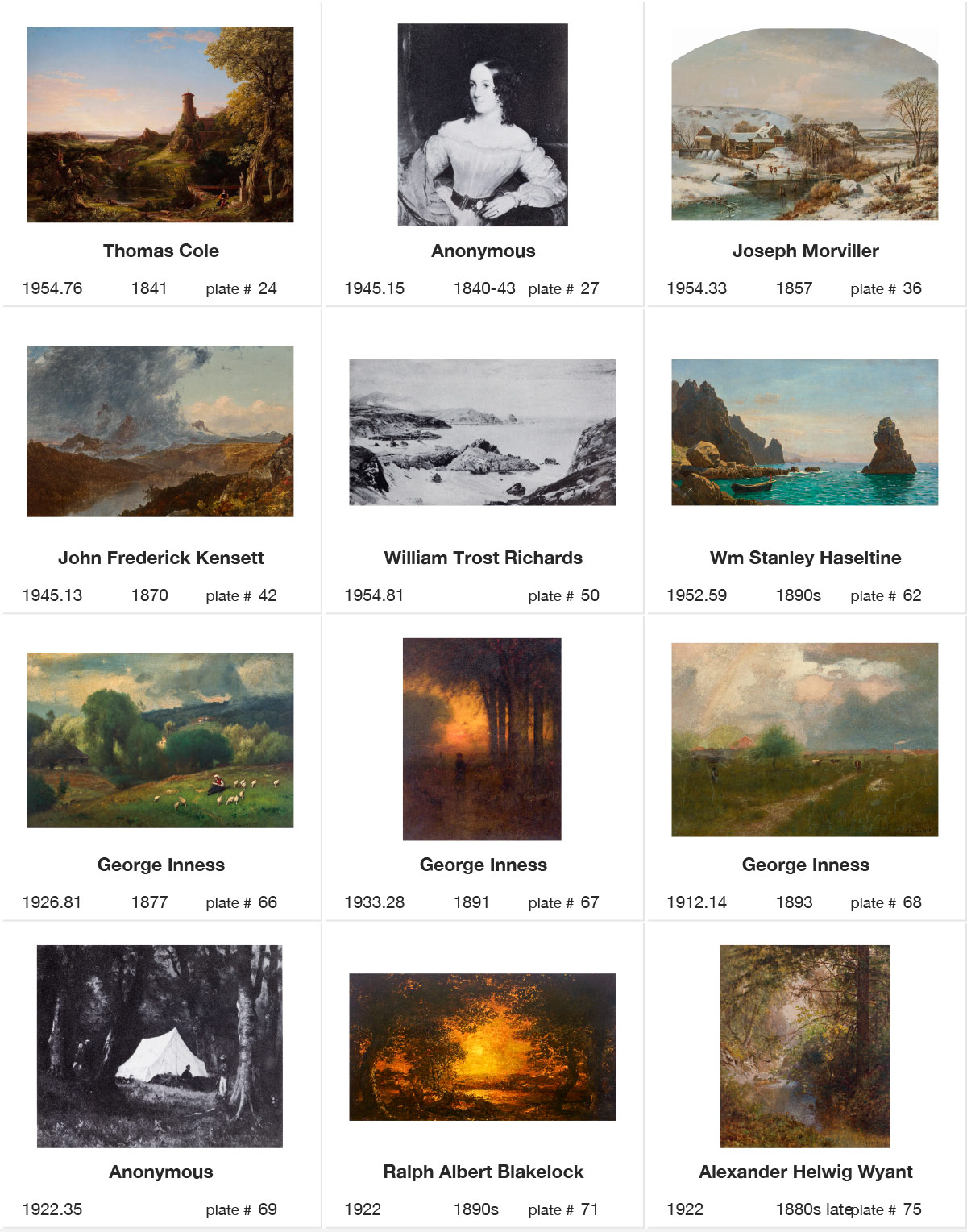
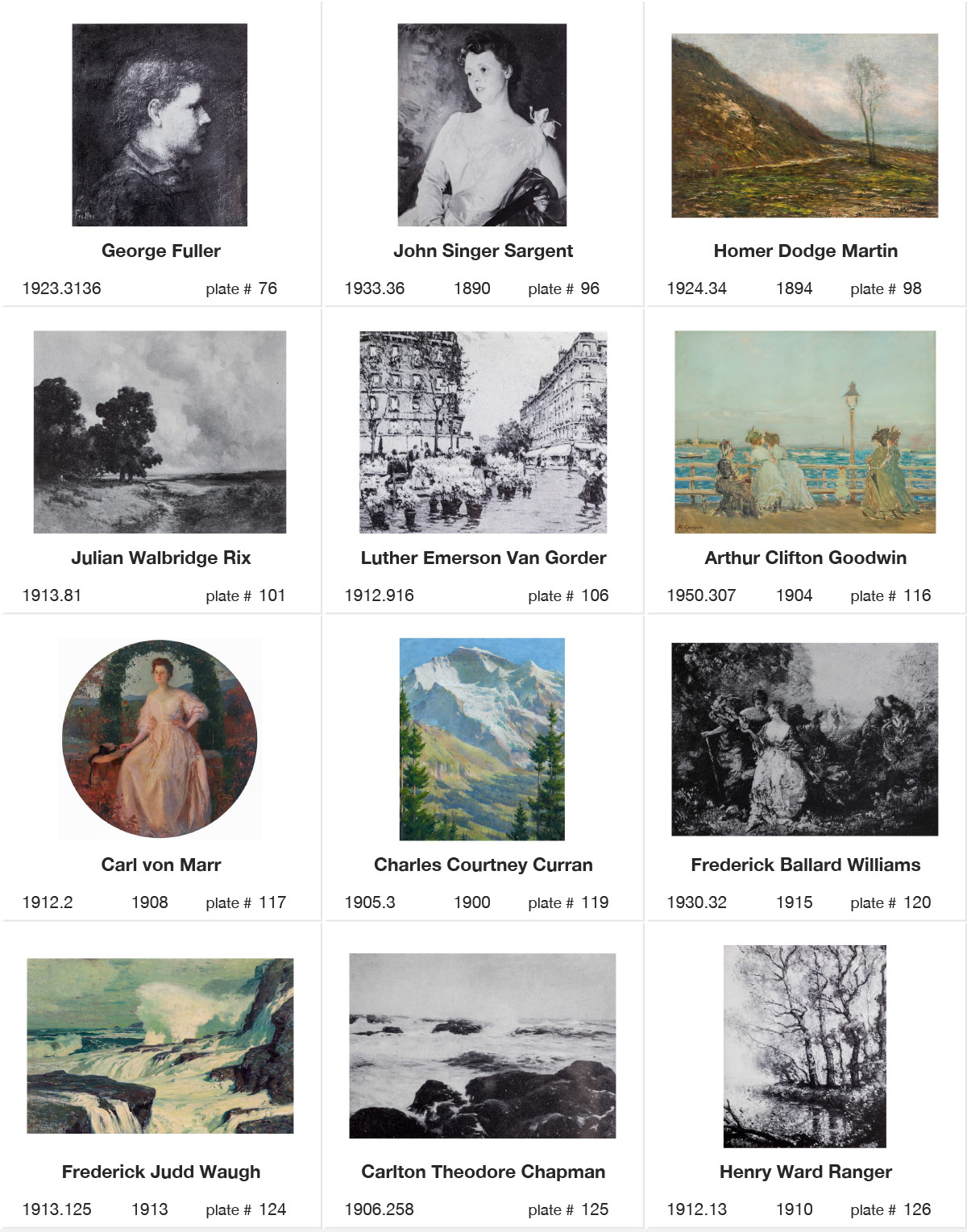
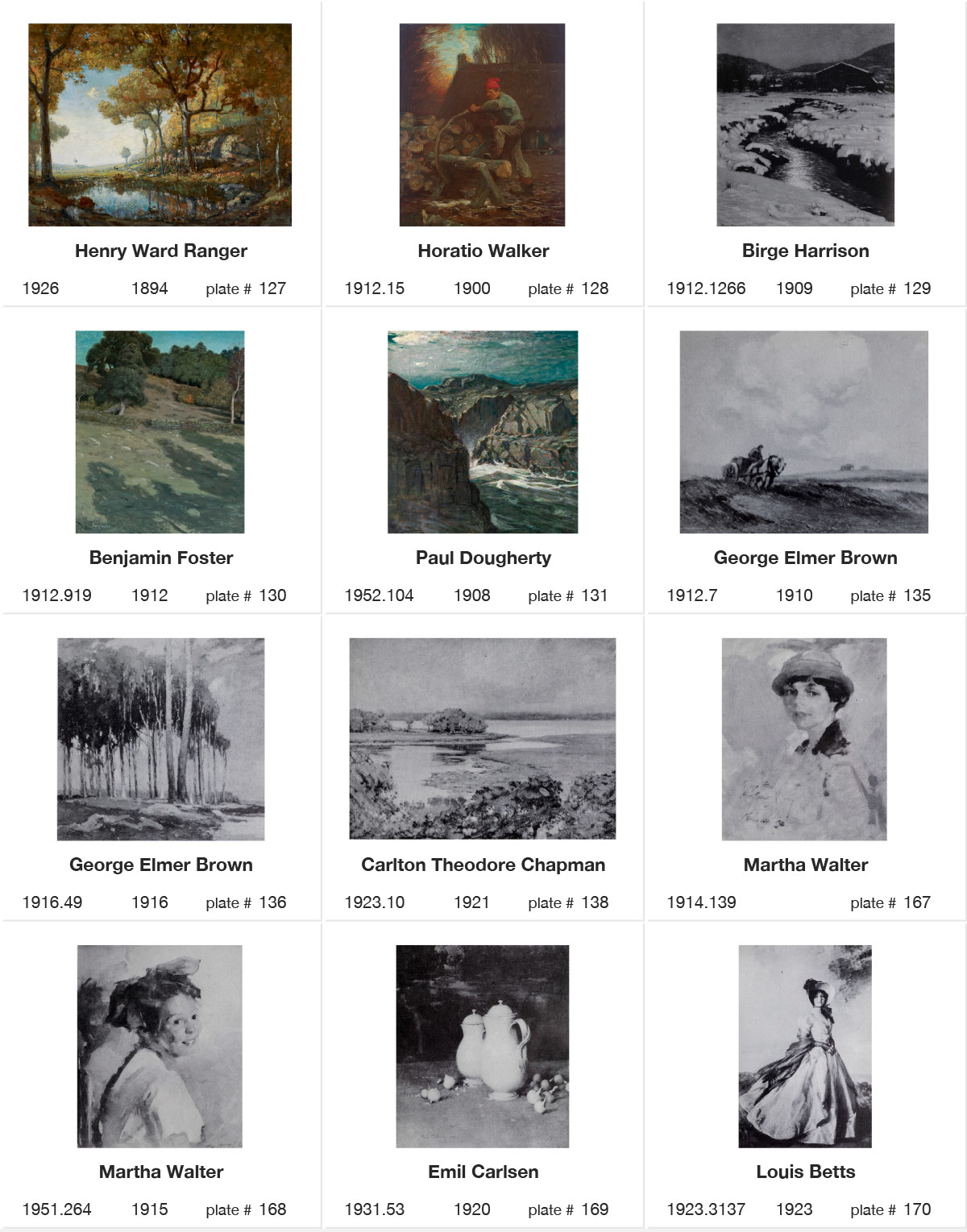
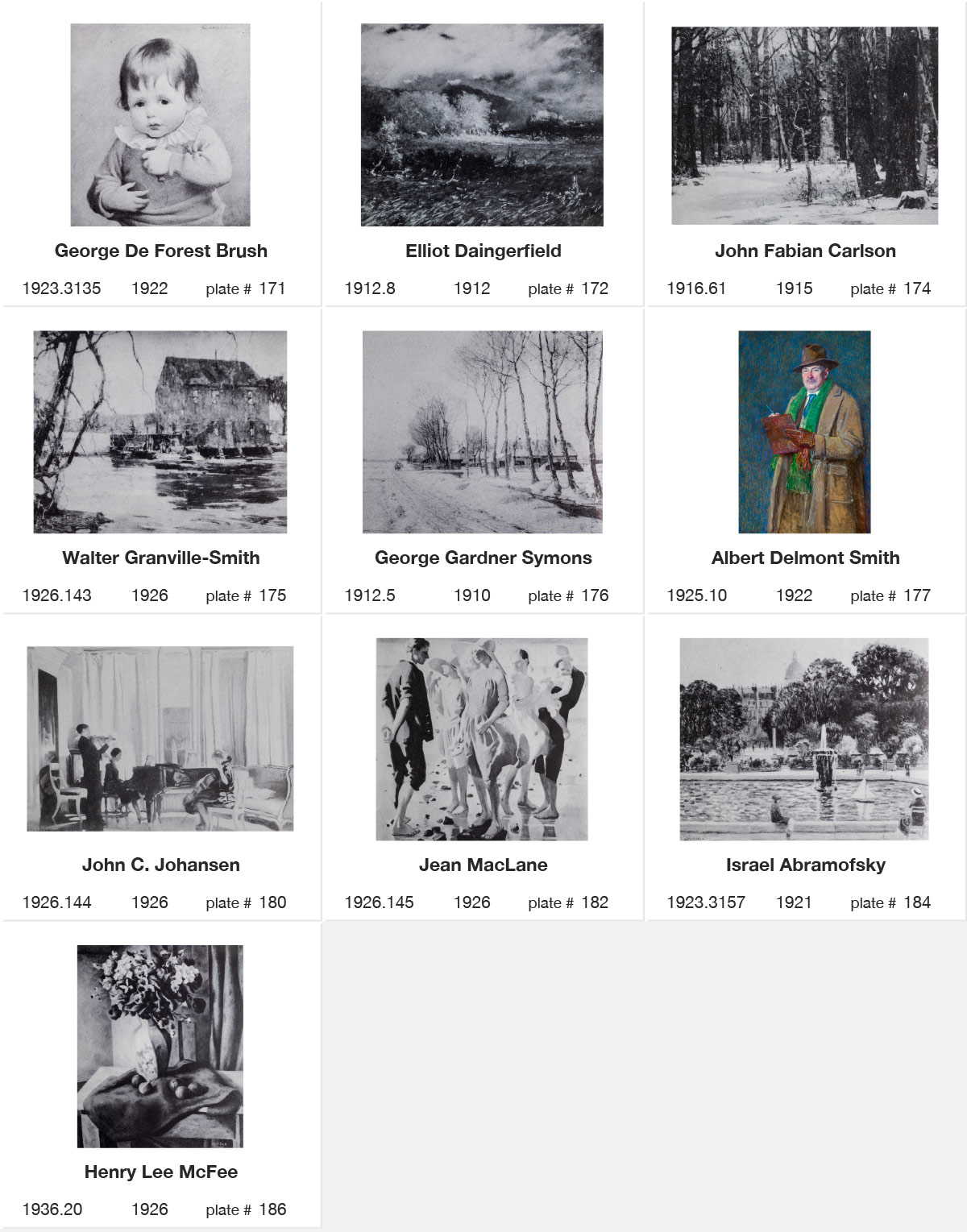
The 18 oil paintings, shown above in color and sold in January at Christie’s brought a measly $289,179. Why sell such a strong early collection? Collecting is about collecting.
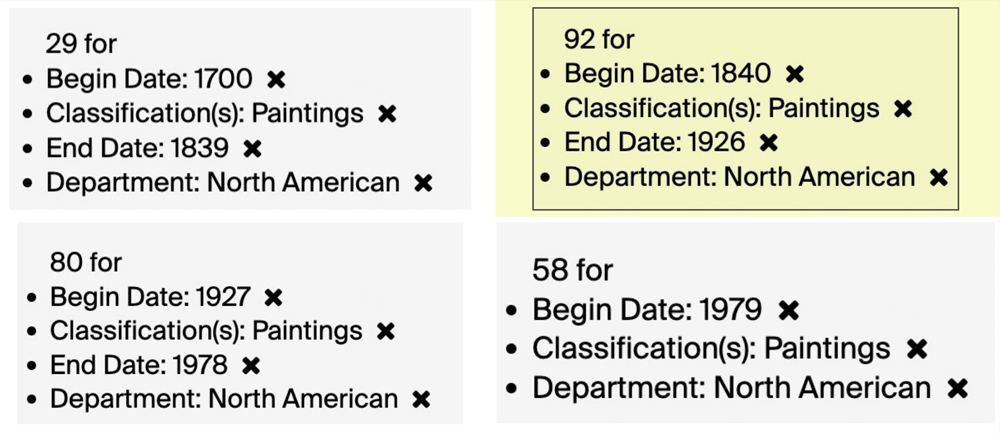
46 out of 133 oil paintings dated 1840 to 1926 from the American Painting collection, documented in the 1979 book, Toledo Museum of Art American Paintings, have been deaccessioned.
That’s 46 paintings sold to the 87 that remain.
30 American artists culled from history. 77 remain.
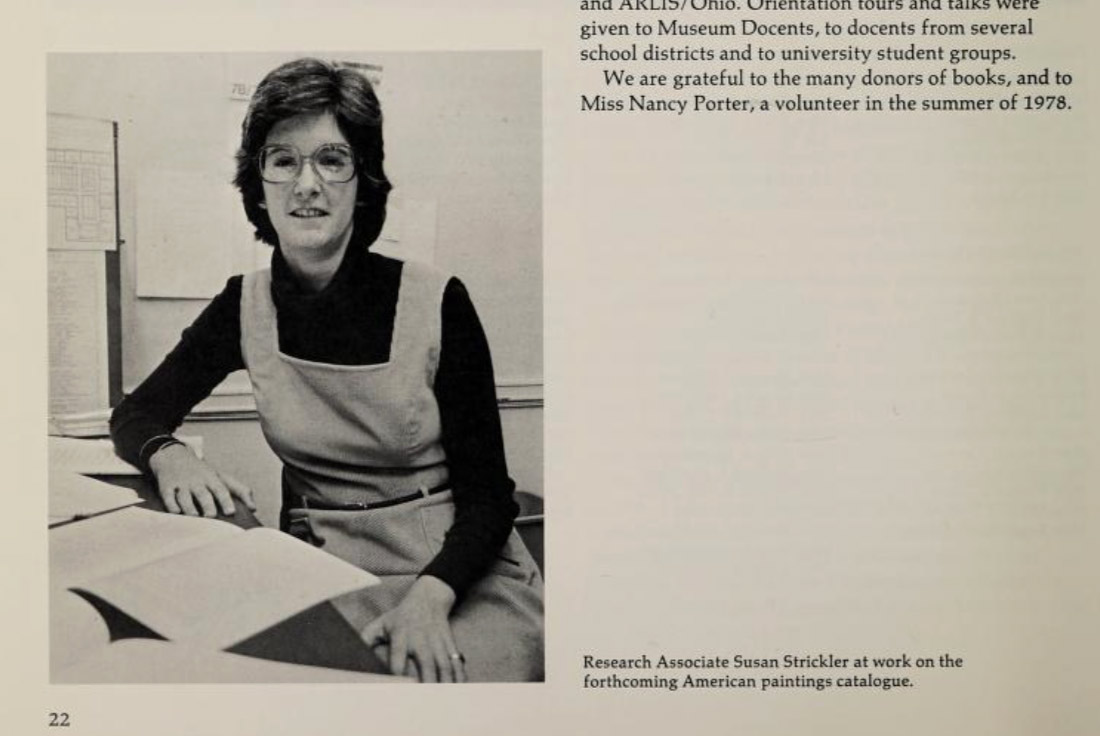
Curating a collection is about caring for the art. Museums usually increase the number of artworks in their collection over time, but TMA has reduced the size of collections. WHY?
They certainly have large endowments from which to draw funds for new acquisitions, so much more than most museums that it makes the other museums envious. They have over $5,000,000 a year from these funds. What is the point of weakening a collection to increase this amount by 5 percent?
But when the Museum buys a painting for $5,000,000 to support a failing Southern college, and they buy an early Kiddush cup for a record-setting $4,000,000 at Sotheby’s the same year, they are not honoring the way the Museum has successfully built its collection for over a century. The formula was to hunt for periods, styles, and geographical movements that were temporarily neglected by the mainstream art world, and not to buy art at the height of the market, which they have done in both of these examples.
Here’s what the former director, Don Bacigalupi said in 2010 about the Museum’s collections policy:
Because the TMA collection is encyclopedic in nature, spanning cultures from ancient to modern times in a vast range of media, the institution can avoid overheated sectors of the art market and focus instead on spectacular treasures that are receiving less attention. – Don Bacigalupi on the Vibrant Collections Legacy, Annual report 2010.
1,300 new acquisitions but no additional storage?
Why isn’t increased storage a part of the big renovation taking place that’s closing almost all museum galleries not just for months, but for years?
TMA emuseum stats on North American paintings retrieved August 2026:
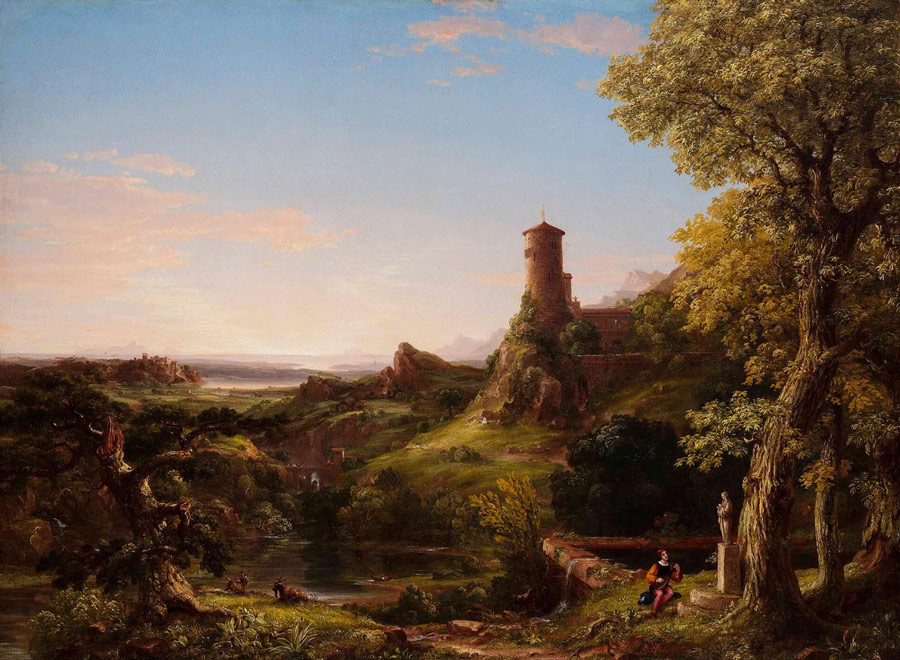
Thomas Cole, hailed as one of America’s first noteworthy landscape painters.
Culled from the museum’s collection sometime after April 2025.
Thomas Cole’s painting was deaccessioned since last appearing on TMA’s emuseum in April 2025. Perhaps it was sold privately?
several pages of the book, Toledo Museum of Art American Paintings, with sold paintings cut out:






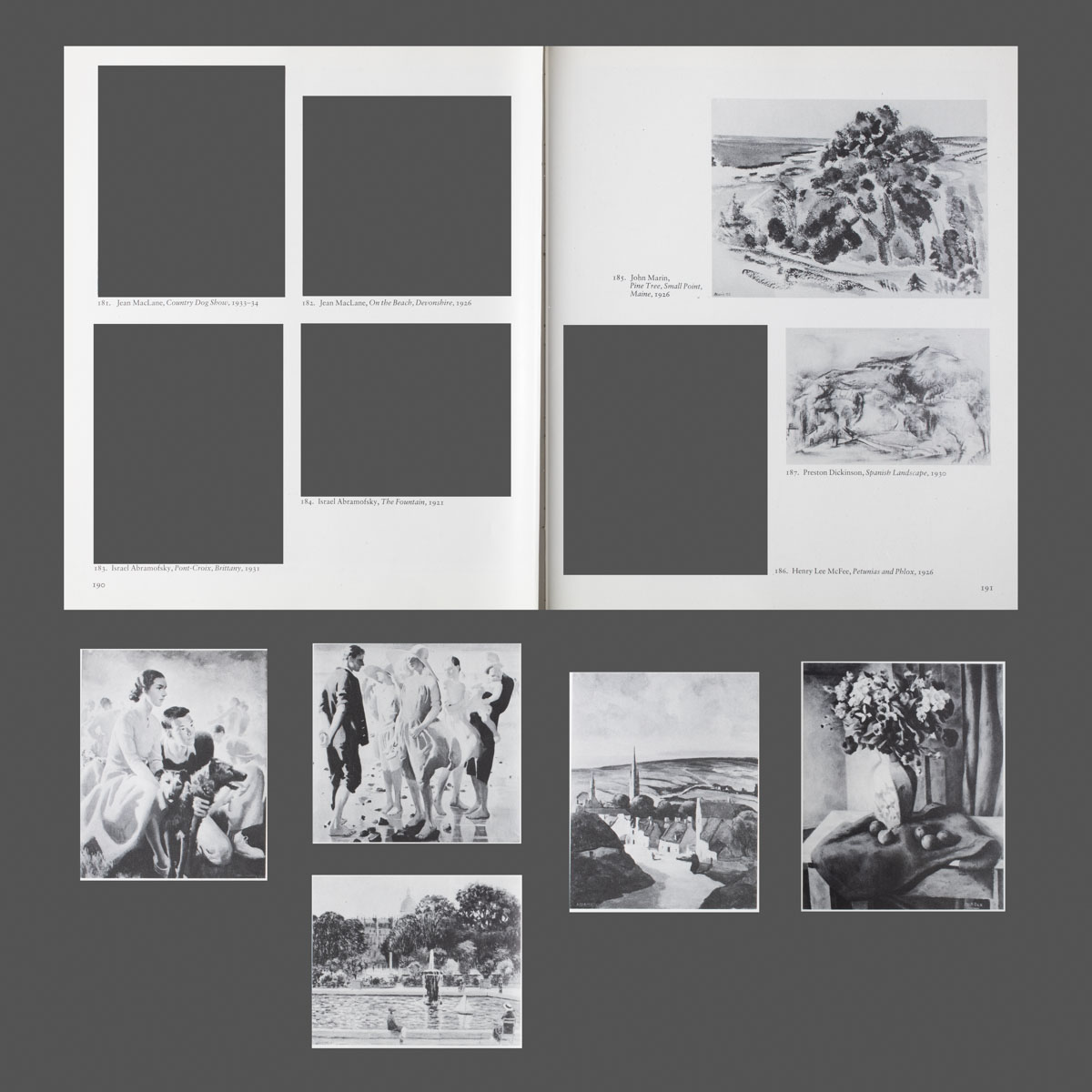
It’s our American legacy, our history, how our great great+ grandparents saw the world, authentically given to us by the founders of our museum, and several of the artists were local.
Ironically, with the new vision of the museum identifying strongly with telling a historical story, our local history has been erased. Our cultural tradition of the Toledo Area Artists Exhibition, which was almost 100 years old, and brought together the Toledo area art community every year with a competitive, high-quality juried show, was stopped in 2014. That marked the beginning of the ending of the once flourishing community centered museum.
An entire collection of distinguished local art, dated from 1948 to 2013, comprised of the purchase awards of the Toledo Area Artists Exhibition annual shows, was removed from storage at the Museum about 18 years ago, and relegated to the care of the Toledo School for the Arts. At the high school, the collection was stored in a utility closet until 2024, when the Toledo Federation of Art Societies, the historic group formed to put on the annual juried exhibition, disbanded. They gave it to the Schedel Arboretum & Gardens in Elmore, Ohio. The historic and distinguished collection of the TFAS Purchase Awards is not even in Toledo anymore.
it’s anti-local and unamerican
The museum’s so-called “stewards” took our traditions away, they took our education away, they took our art away, and they took our history away!
As for the Glass Pavilion, built to house Toledo’s glass collection and encompass Toledo’s unique glass history; this richly dedicated, all-glass building conceptually designed by the famed Japanese architects, SANAA with this in mind, is being dishonored. I wrote about it here, along with the problem that Toledoans are not getting the news –
The Toledo Museum of Art belongs to the people of Toledo. It is a gift from the Libbeys, but it’s getting broken, torn, separated, divvied out, exploited, used, leveraged and sold out. Voices speaking up are muted and ignored.
Transformation 2027???
Transformation 2027: it’s a cover story for the shell games of the new Toledo Museum of Art, keeping you busy looking in one direction while they are busy doing very questionable things undercover.
We should be proud of our heritage. Hold on to it, don’t let it go.