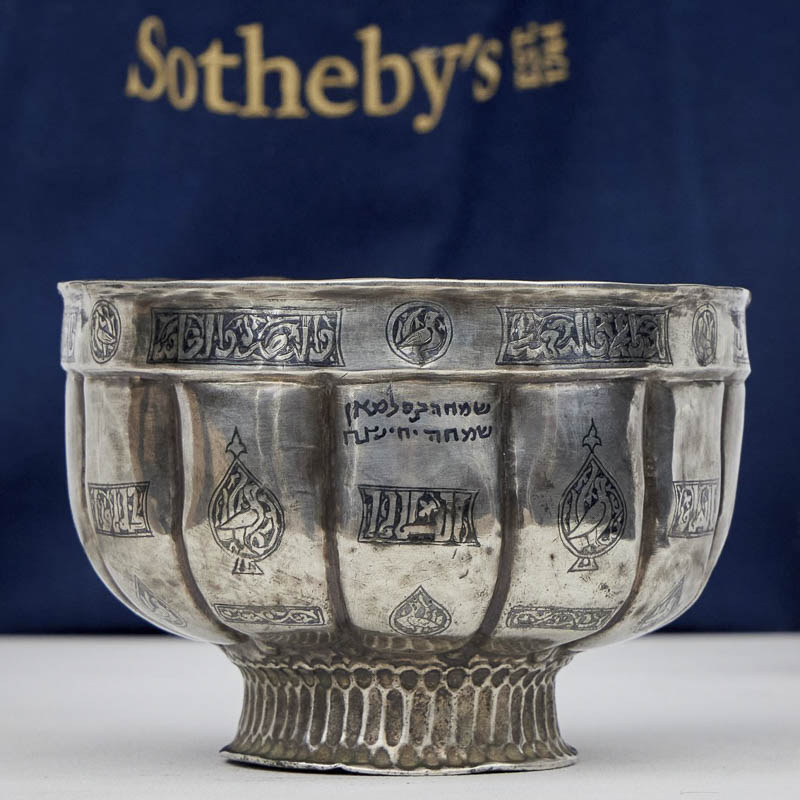
Because of labor trouble, the museum couldn’t get the honorary glass urns finished by November 13, 2025 for the centennial ceremony of Edward Drummond Libbey’s passing.
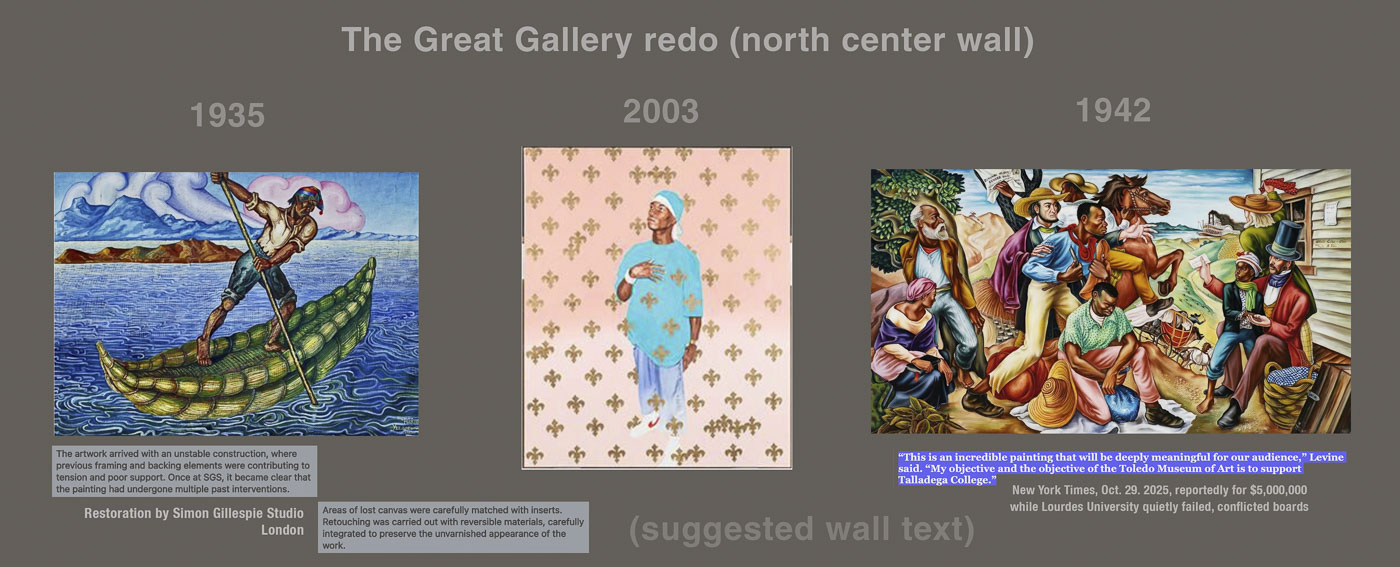
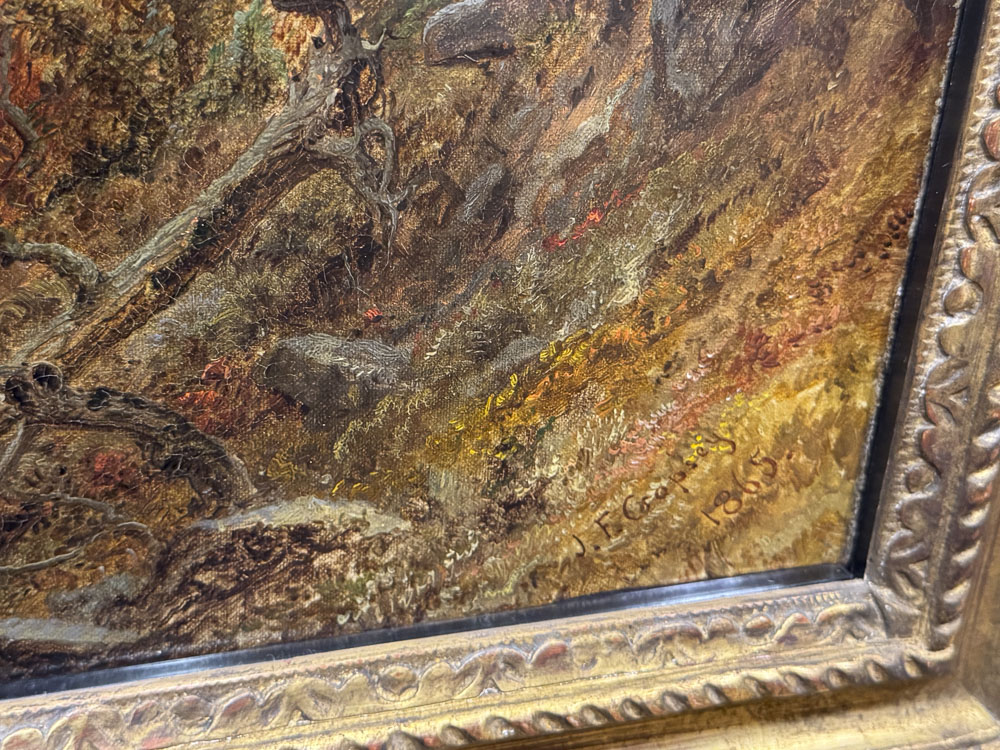
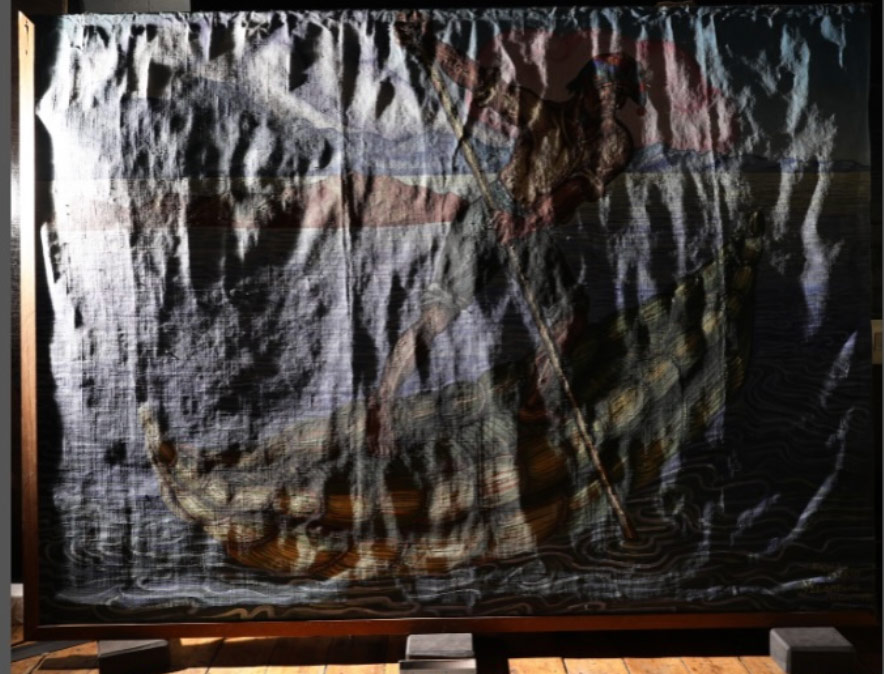
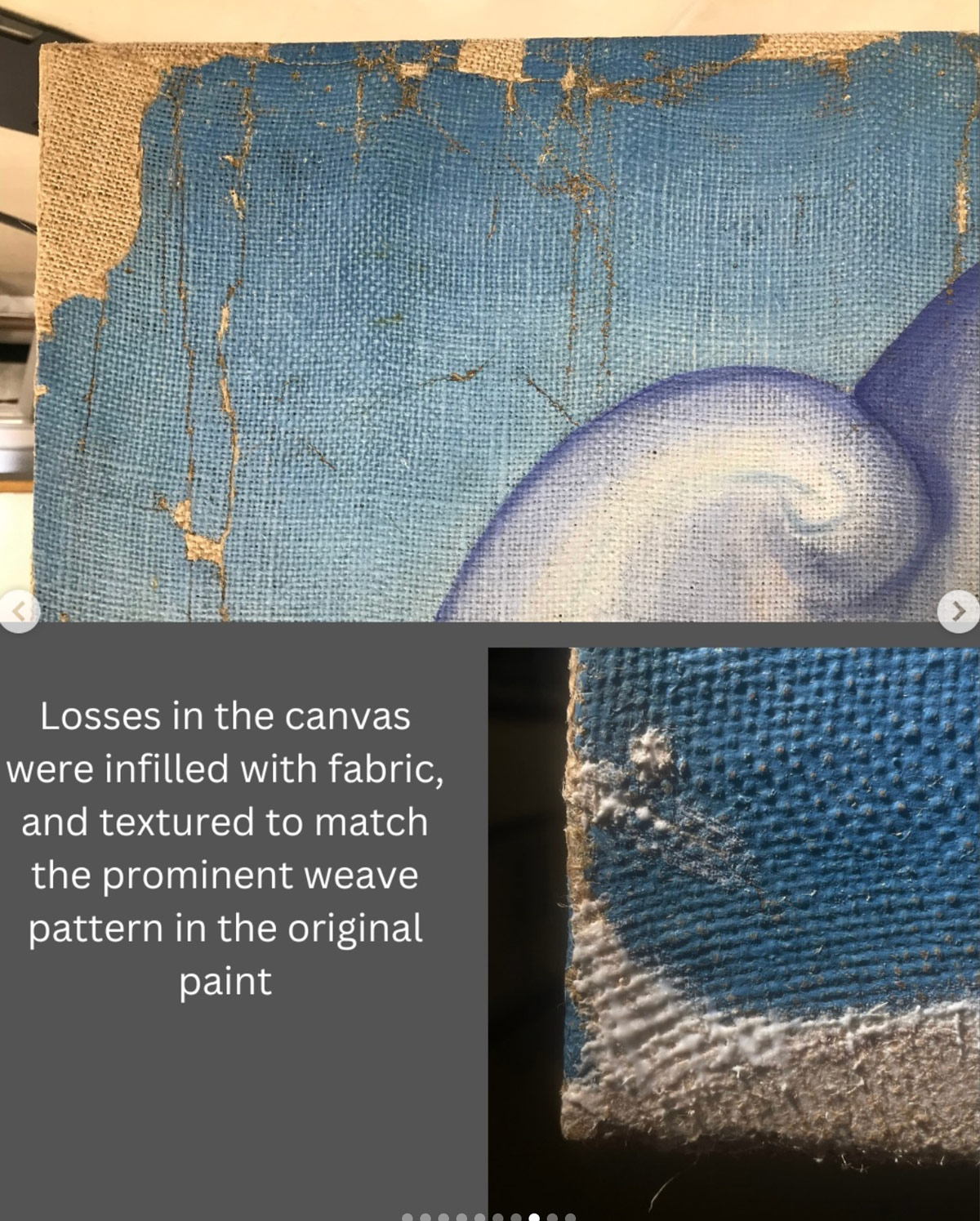
but they purchase a painting in terrible condition, because the subject is a Bolivian workers rights artist – the irony. The hypocrisy!
The irony and hypocrisy, when the museum treats their employees so badly after they joined the union. And the guards, when they tried to form a union, were fired, just to be offered the same job through a third party agency, without benefits.
“Yllanes’s works often exposed the harsh mistreatment to which Bolivia’s Indigenous communities were regularly subjected.” The Enigmatic Bolivian Artist Who Centered Indigenous Workers’ Rights, Hyperallergic, February 6, 2024
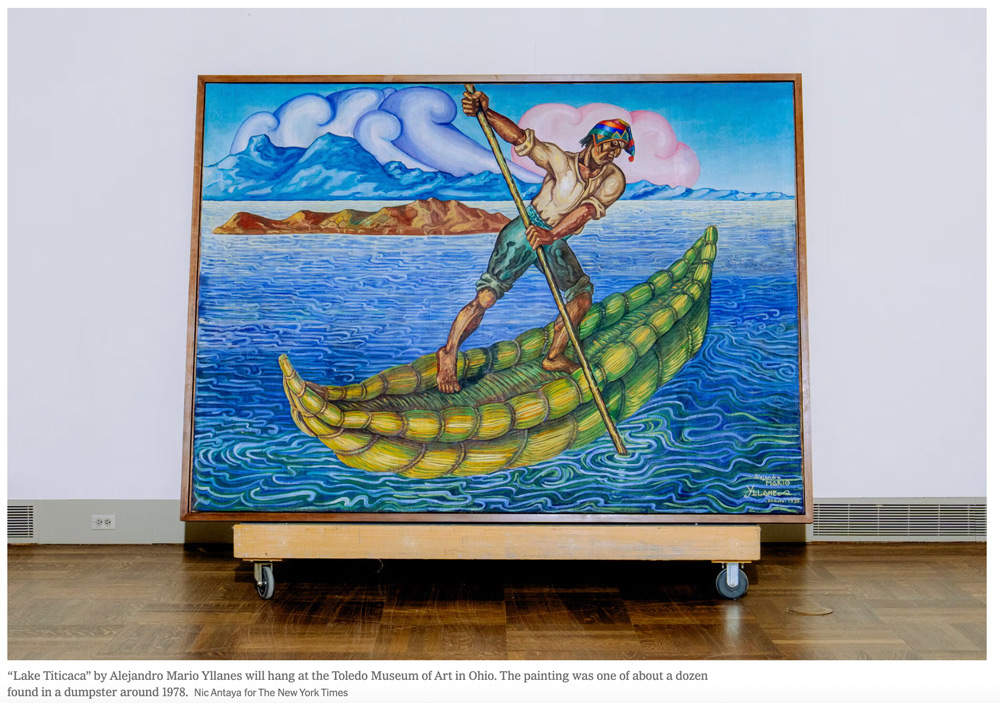
The painting the museum bought, Lake Titicaca, is reminiscent of the powerful strength of a glass blower with a long blowpipe who just gathered a glowing, molten glob of glass from a furnace, but instead of following through with the making of a creation, the hot glass was dropped into the cold water of the lake.
Which is symbolically what happened at the Glass Pavilion with the glass urns for the honoring of the 100th anniversary of the passing of the founder of the museum, Edward Drummond Libbey for the ceremony at the Libbey monument at Woodlawn Cemetery on November 13, 2025. It fell short, because of the despicable labor relations at the museum.
The Blade, as usual, covered for the museum
instead of reporting on the urns
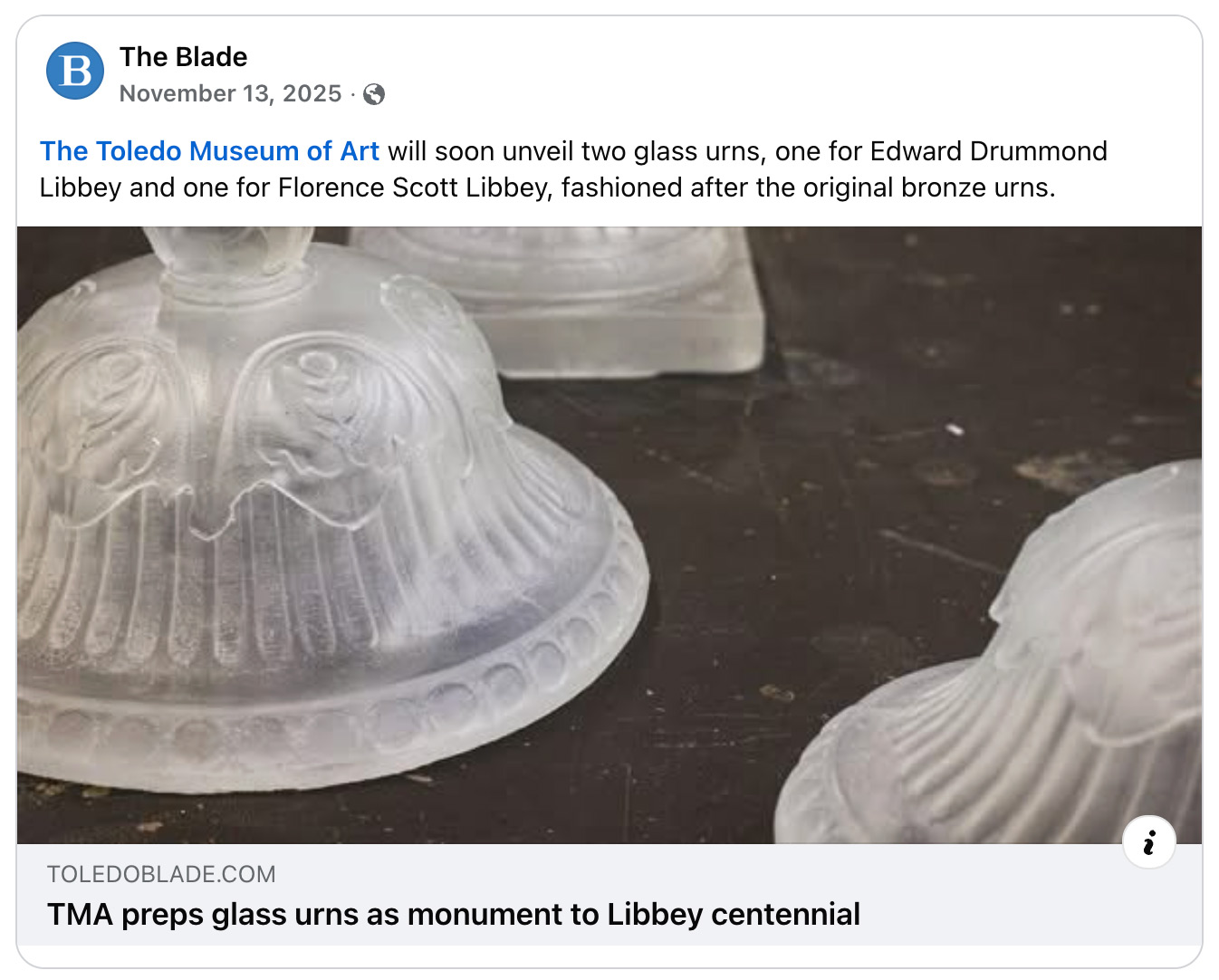
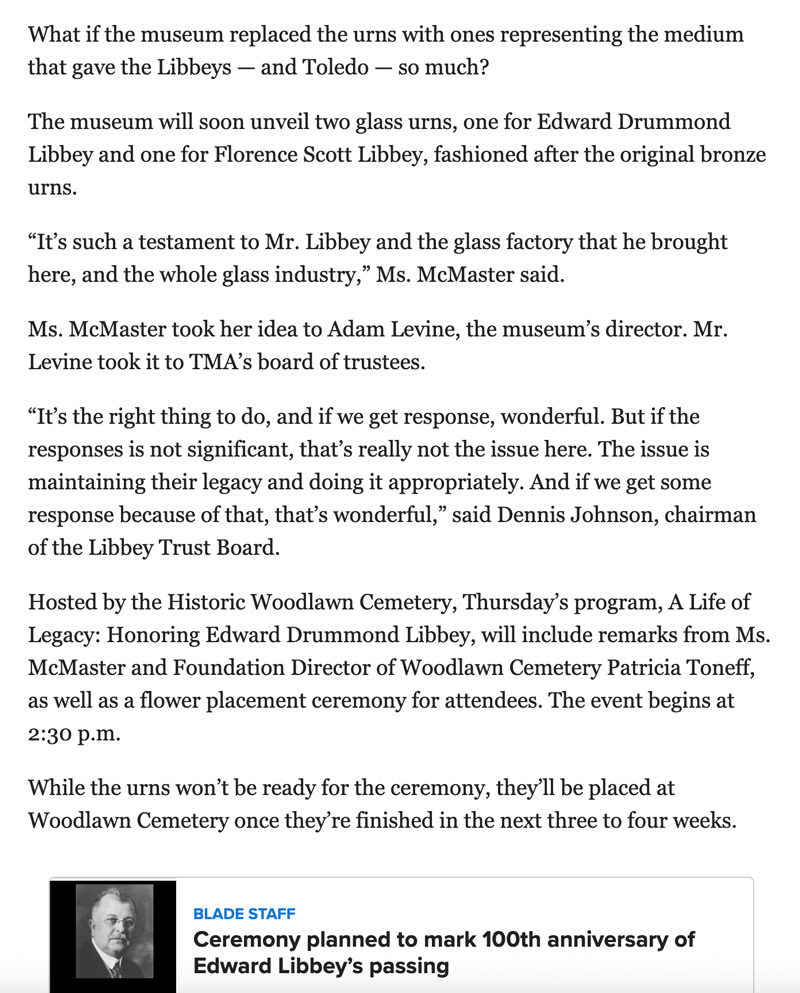
That was on November 13, 2025. The Blade’s story reported that the urns would not be ready for the ceremony because of the annealing process, but would be ready before Christmas. It is now ten months later, and the urns have still not been installed at the gravesite monument.
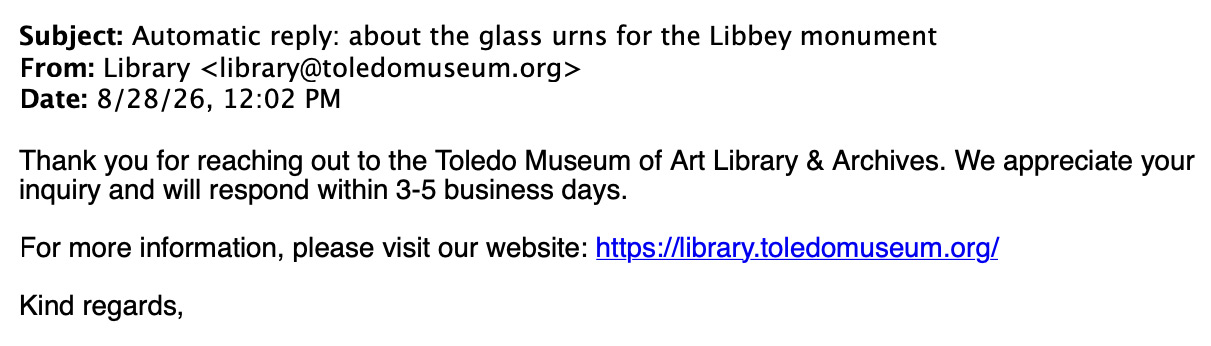 I wrote to the museum twice in the past month for some clarity, but they did not reply, sending automated responses that they would get back to me within three business days.
Then, last week on a Toledo Now Facebook post, a comment was made by the glass artist working on the project: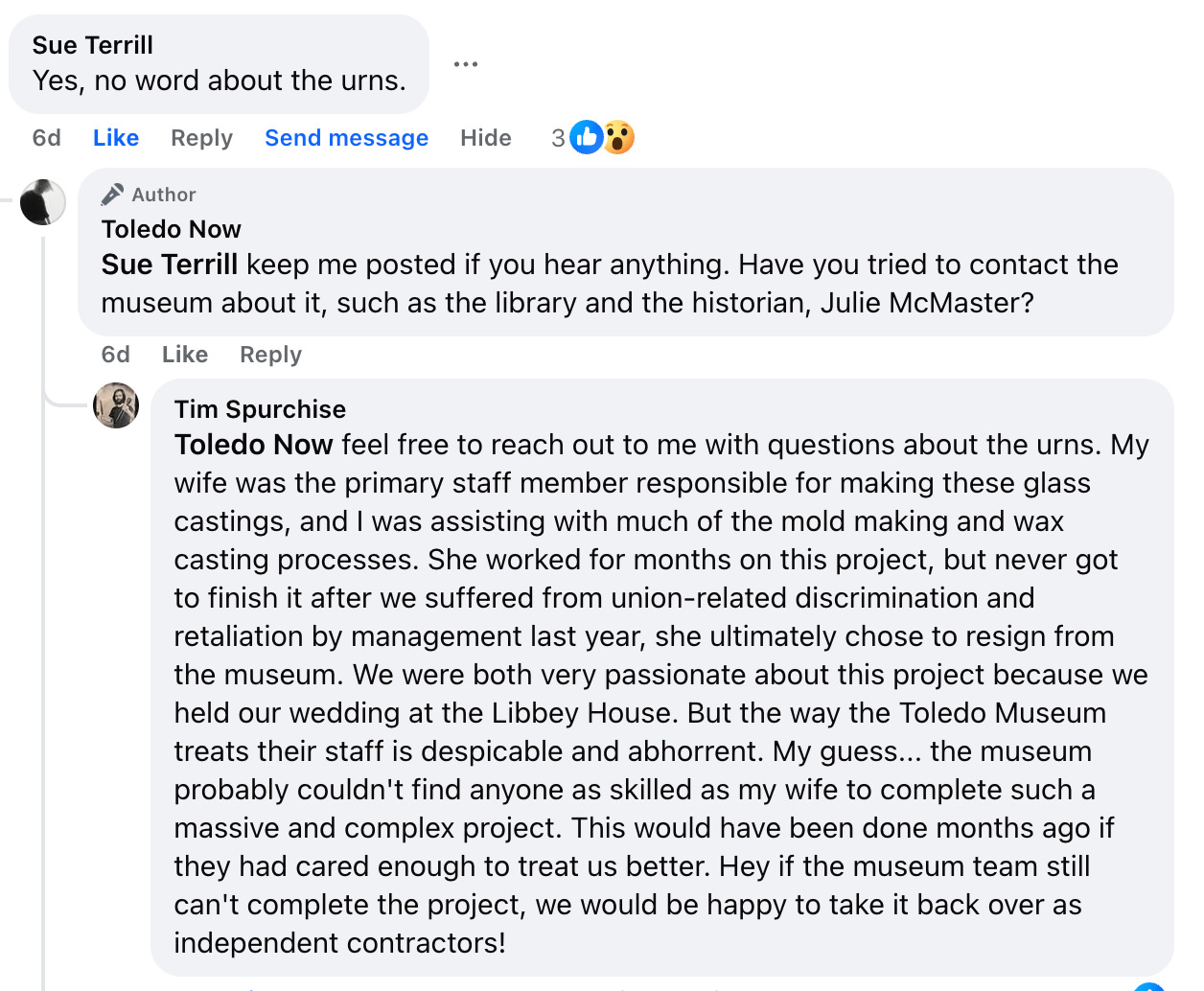
I did reach out to Tim Spurchise, and here is his story, in his own words:
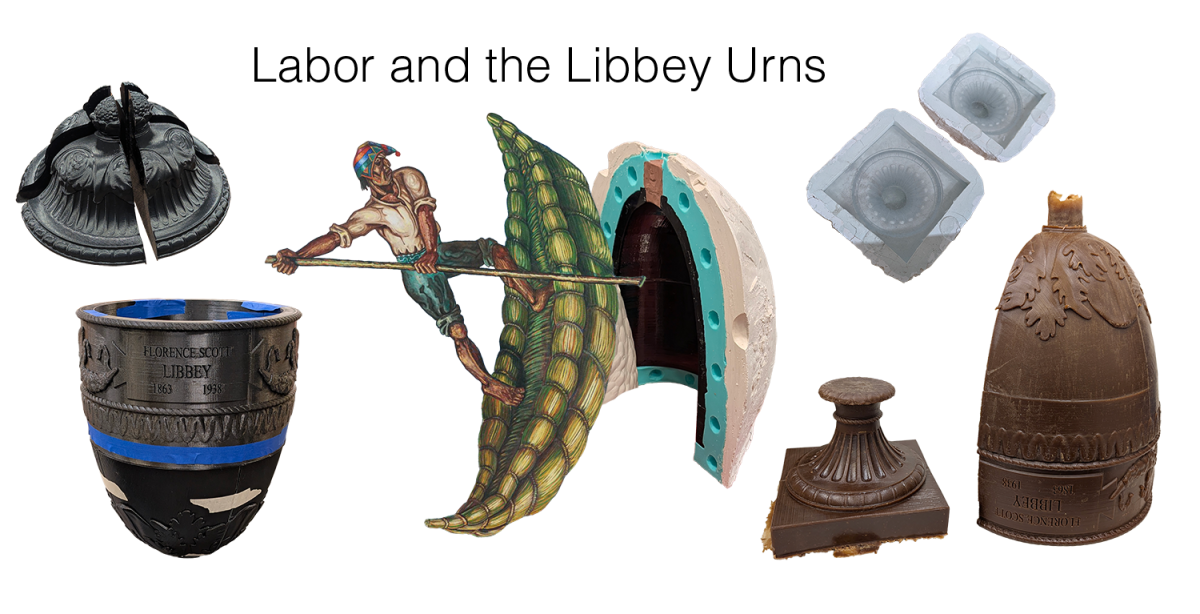
The glass pavilion team at the museum received information about the desire to cast replica Libbey urns out of glass around the beginning of 2025. My wife, Chuchen, had been the lead glass casting artist at the museum for a few years because she has highly specialized skills when it comes to mold making and glass casting, which is a very different process than glassblowing. Anytime we had a GAPP Resident Artist who was interested in kiln work or glass casting, Chuchen was always the lead on those projects. So when the Urn project came through, Alan asked her to put together a budget of materials and labor with a rough timeframe of project completion. The museum outsourced the 3D scanning and the 3D printing for the urns (I don’t know the company they used, but it wasn’t done in house). The glass studio got back the final 3D prints around the end of March 2025. Chuchen was immediately able to get to work and she made all of the plaster and rubber molds, cast all the wax, and began the kiln castings of them.
For the next few months, Chuchen spent most of her time working on the Urn project, and anytime she needed assistance, I was the one scheduled to help because I have helped her with mold making in the past. Misha and the rest of the team were focusing on other projects during this timeframe, and Misha was not involved until after Chuchen left the museum.
So Chuchen had to clean the 3D prints, adhere them together, seal them, then make rubber molds around the prints, then make a rigid plaster mold around the rubber, and then cast wax into the rubber molds. Once the waxes cooled, we would clean and detail the waxes, then make a more complicated plaster/silica mold around the wax. The wax then gets steamed out of the mold, the mold is dried and then glass is measured and cleaned to be added into the mold inside the kiln. The kiln gets slowly sent up to melting temperature, and then slowly cooled to prevent cracking.
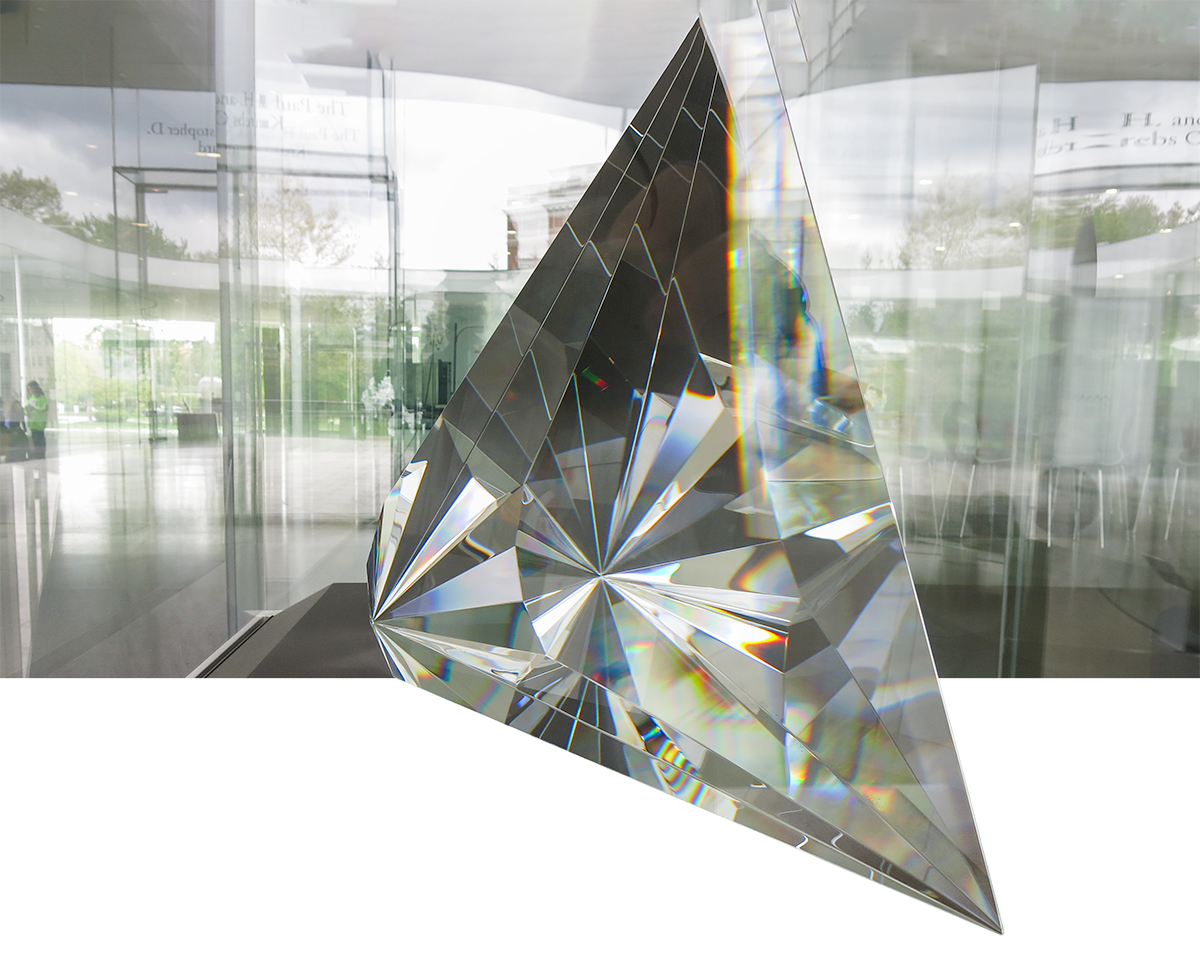
Depending on the thickness and complexity of the final mold, this kiln process could take 1 to 4 weeks. Once the kiln is back to room temperature, the molds are taken out and the plaster/silica is broken away from the glass, and then the glass gets cleaned and cold worked (this is the image of Misha).
After the staff unionized in April of 2025, my wife and I received immediate and harsh retaliation from management (Alan Iwamura and Deb Ball). This included unjust write ups, false accusations, unequal treatment, etc. This happened to all staff (such as my wife and I) who were vocal about their union support.
Shortly after the unionization, my wife and I were notified that our schedules would be changing (and only ours). We would have opposite schedules, giving us less time to work on the Libbey Urns together, which we felt was continued retaliation and an attempt to slow us down on the progress we were making, trying to set us up to fail. This also meant we would not longer have any overlapping days off together at home. While obviously problematic, we had no choice but to accept the decision.
Unrelated to the unionizing, my wife and I had received horrific workplace harassment over about two years of being there. While we reported it numerous times to management and HR, nothing was done to help us. We received no support from the people we needed it from the most. Prior to the unionizing timeframe at the museum, we were finally relieved that the individuals who caused us so much pain had finally left the museum. We thought we would finally get some relief, and after having no support from management, we felt very strongly in favor of supporting the unionizing.
Throughout this timeframe, we had also reported to others in the field about the harassment we received at the museum. Well, after the union passed, Deb spent as much effort as she could in targeting anyone who was vocal about their union support.
In June of 2025, Chuchen and I were called into meetings with Deb and Alan, where we were told we shouldn’t have reported on the harassment we received because it looked bad on the museum. Deb’s exact words were that it put the museum at “reputational risk.” How ironic. With my union representative present, I said to Deb Ball how can you not only violate my first amendment rights, but also stand by the harassment we received in an attempt to cover up your retaliation against the union. Her response was “I don’t need to hear any more from you, my decision is made.” To which I replied “Well, I need to hear more from you because this doesn’t make any sense to me.” And I was met with nothing but silence. That same day I was terminated and my wife was disciplined (probably not terminated because they knew they needed her for the urn project). Well she immediately took protected Family and Medical Leave of Absence, and then resigned from the museum afterwards.
By this time, we had completed the castings for some of the lids and bases, and began making the final molds for the rest of them. We had also mostly finished detailing the main waxes for the urn bodies and we had everything prepared to move forward with the next mold-making process. It was devastating and heartbreaking for us not to be able to finish such an amazing work of art, but the museum’s management shot themselves in the foot when they chose to target us because they’re too childish to learn how to work with a union instead of against them. So to my knowledge, the only finished portions of the urn project are the lids and bases that we cast before leaving the museum (this would be what Misha would have been photographed cold working).
As far as we know, the project has basically been at a standstill since then. We heard that Alan tried to contract another artist to come in and make a mold, but it sounds like it was possibly an unsuccessful casting, and not enough got made within the timeframe anyway.
We love the Libbey Foundation and we were honored to have our wedding at the Libbey House. I don’t know who funded this Urn project, if it was the museum directly or the Libbey Foundation. But if the Libbey Foundation wants this project completed, we welcome the opportunity to work directly with them. We would be happy to be contracted as independent artists to finish this project properly and the way it was intended.
Photos by Tim Spurchise:
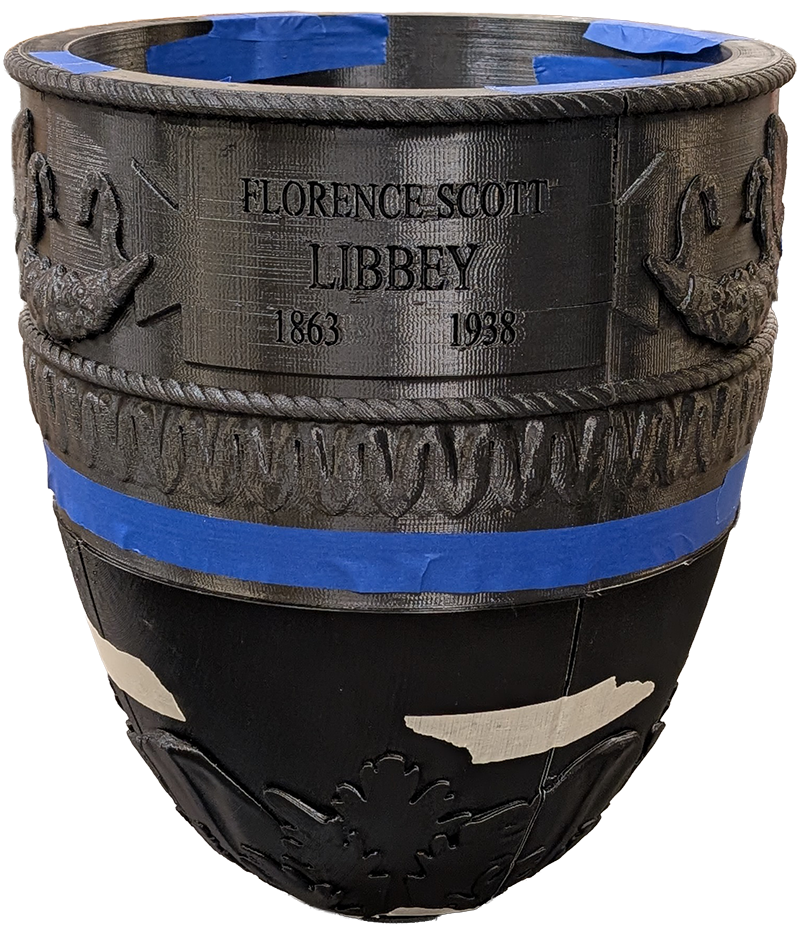
the process:
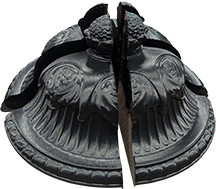
- clean the 3D prints,
- adhere them together,
- seal them,
- then make rubber molds around the prints,
- then make a rigid plaster mold around the rubber,
- and then cast wax into the rubber molds.
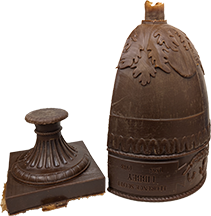
- Once the waxes cooled, we would clean and detail the waxes,
- then make a more complicated plaster/silica mold around the wax.
- The wax then gets steamed out of the mold,
- the mold is dried and then glass is measured and cleaned to be added into the mold inside the kiln.
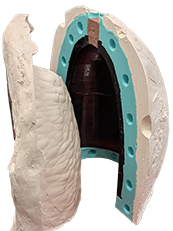 The kiln gets slowly sent up to melting temperature, and then slowly cooled to prevent cracking.
- Depending on the thickness and complexity of the final mold, this kiln process could take 1 to 4 weeks.
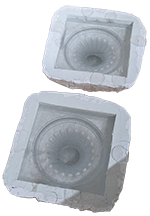
- Once the kiln is back to room temperature, the molds are taken out and the plaster/silica is broken away from the glass,
- then the glass gets cleaned and cold worked (this is the image of Misha).

Thank you, Tim, for providing some clarity on the new unfinished urns that the museum’s historian, Julie McMaster, with all of her best intentions, tried to have made for the Libbey ceremony, and for giving us a window into the hypocritical labor relations of the museum.
As a native Toledoan I am ashamed of my city and of my museum and I am especially sorry for the pain you and Chuchen, talented artists choosing to come to our glass city, Toledo, a union town, to practice and teach your craft at our supposedly esteemed and progressive museum, have had to endure navigating the dysfunctional mismanagement and toxic environment that never should have been.
You came to make art, to lay down roots and start your life together here – you held your wedding at the Libbey House and you worked on the Libbey Urns – what a profound and beautiful connection, and how heartbreaking for it to be cut short. Your relocation here as skilled and talented glass artists was a gift to Toledo, and for Toledo to lose you is tragic. Toledo disrespected your contributions and your rights, victimizing you for having the courage to unionize, while telling the world that they are all for workers rights.
The Libbeys did not intend to support a future like this. The museum is for, first and foremost, the people who live in Toledo.
The museum had five full months after repelling this talented young couple in June 2025, in order to complete the project in time for the Libbey Centennial ceremony on November 13, 2025, but they failed to do so.
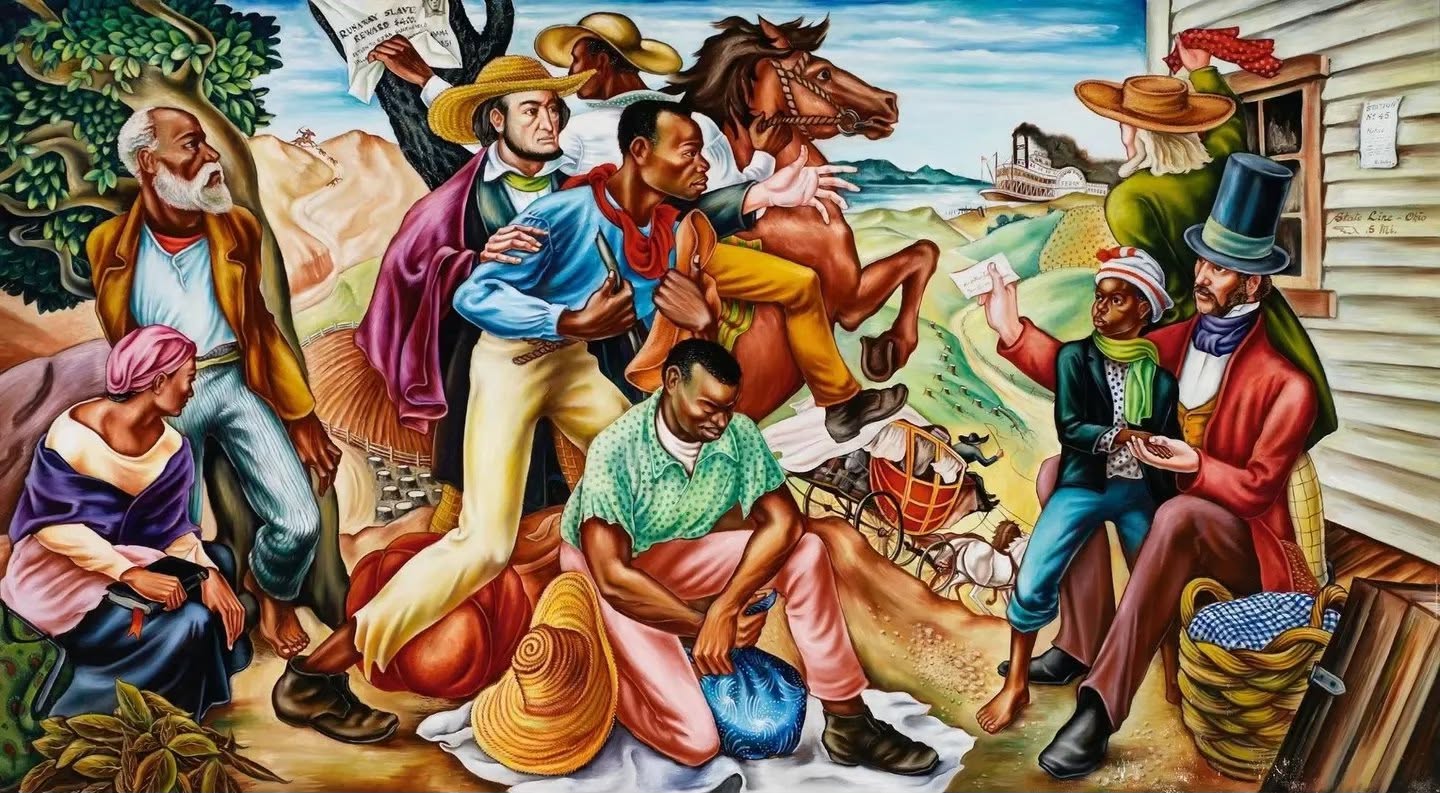
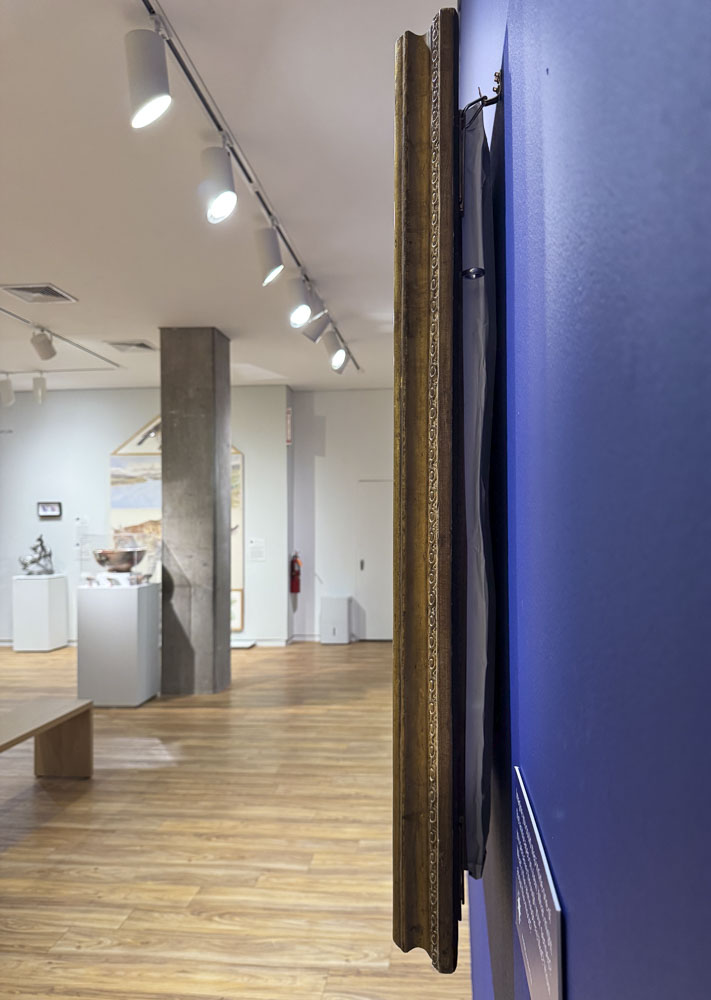
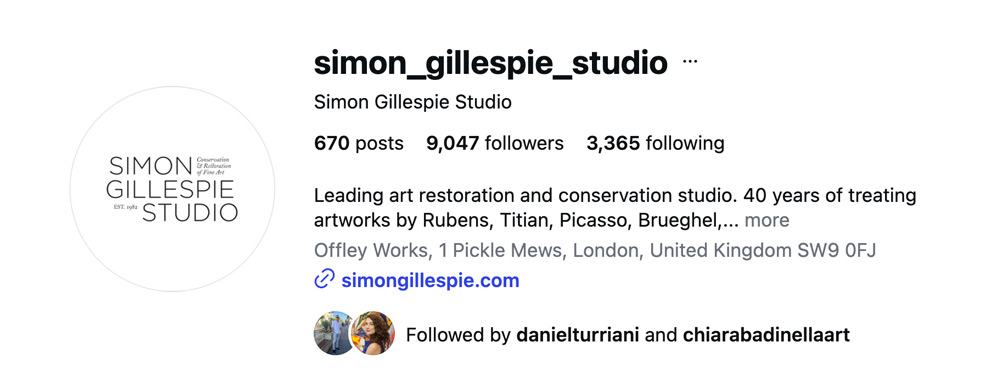
But the museum had no problem buying the Yllanes painting, a symbol of workers rights, that was in such incredibly bad shape it had to be resurrected by the best restoration studio in the world so it could be ready for its New York Times feature. How ironic, and hypocritical. It was found in the trash!
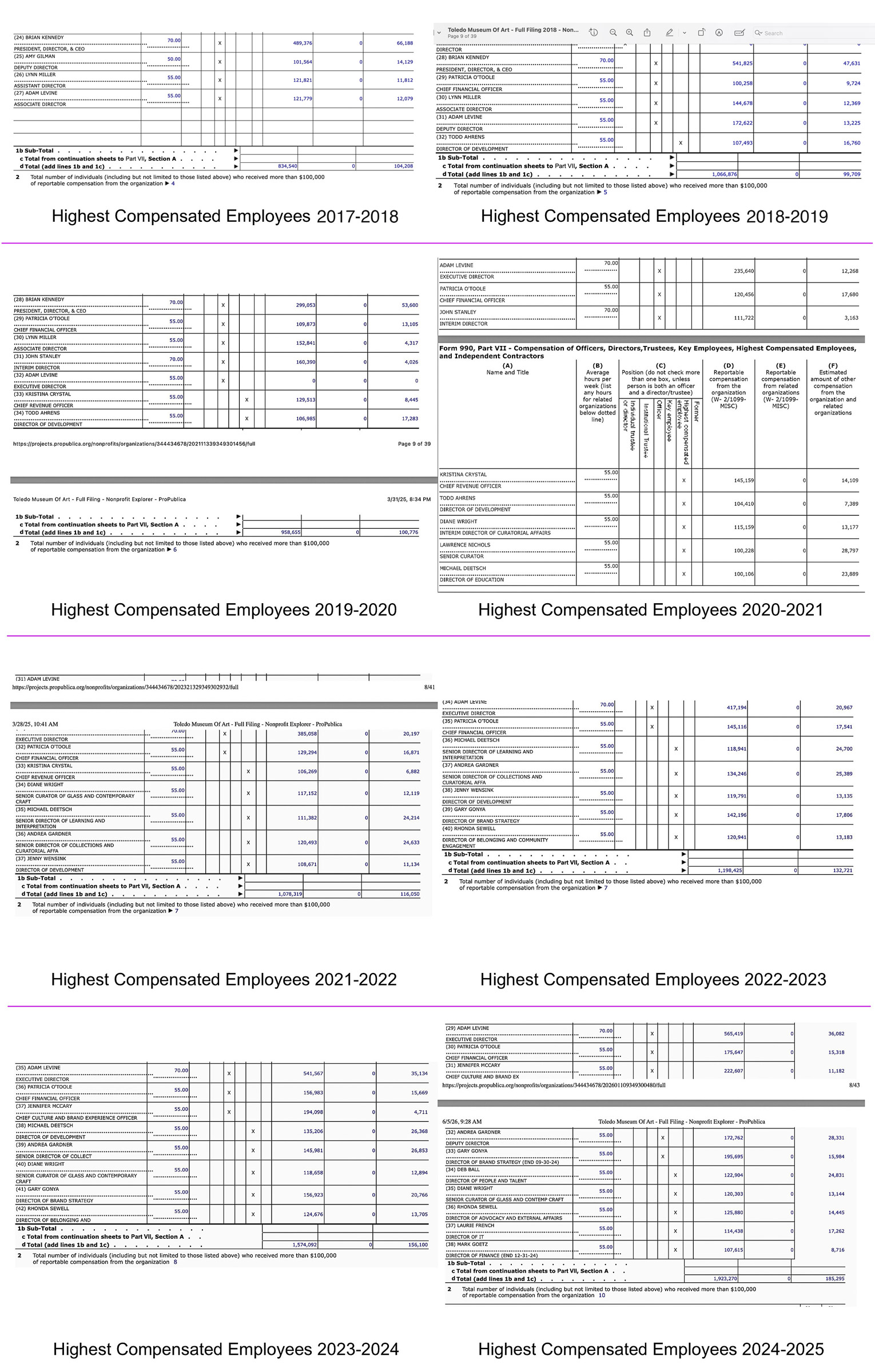
The museum disrespected their own skilled workers and mismanaged employees, ironically after hiring two new managers for two new oversight departments — Jennifer McCary, Chief People, Culture and Brand Experience Officer, and Debra Ball, Director of People and Talent, to oversee these matters. The museum had recently doubled its administration, but to what end?
The consequence of poor management and the toxic environment in this instance was the failure to be able to produce (on time or at all) the very important and symbolic Libbey Urns in honor of the museum’s founder and the father of Toledo’s glass industry. That is but one example of what Toledo has lost due to what they are doing to the museum.
The bloated new management allowed skill and talent to slip through their fingers in their attempts to bust the union instead of trying to work with it. Then, by purchasing a sub-par painting mainly for the workers rights story, they mock their own employees’ efforts to form a union.
“Yllanes’s career was repeatedly disrupted by political exile due to the radical nature of his work in its critique of Indigenous labor conditions.” Toledo Museum of Art press release September 25, 2026
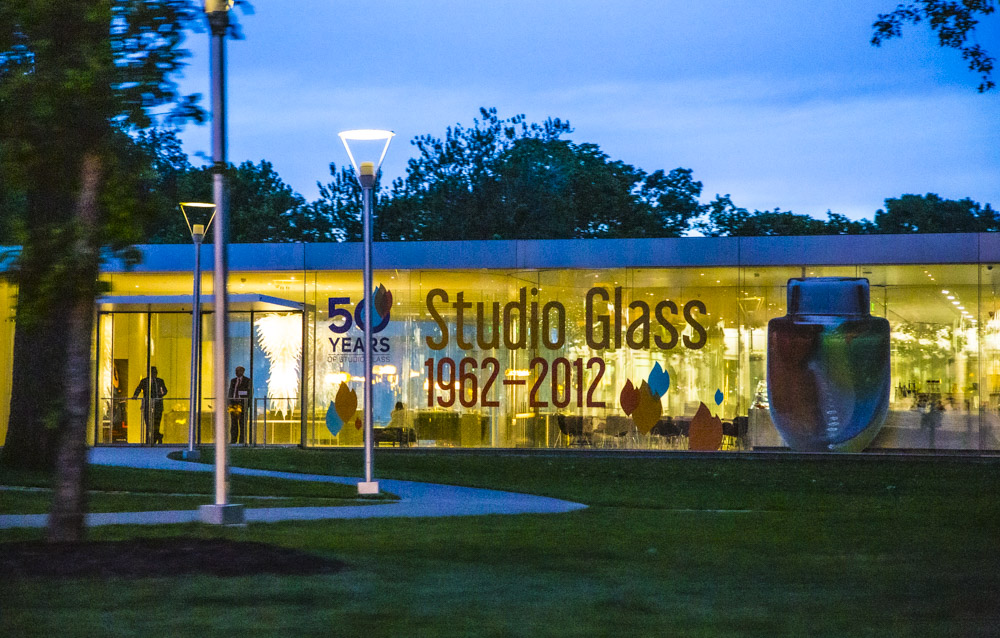
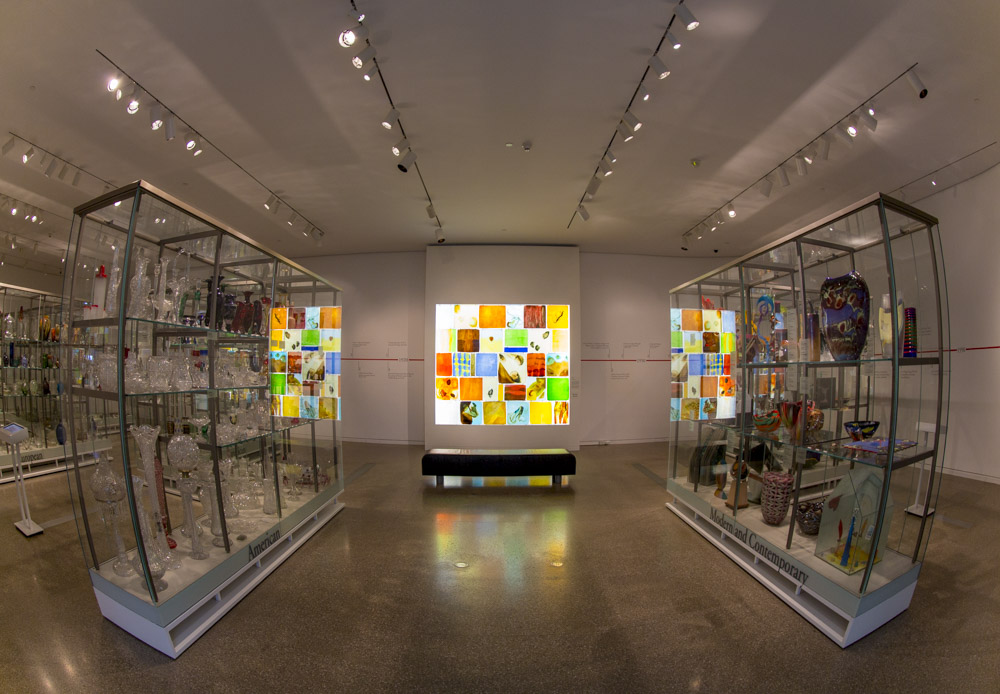
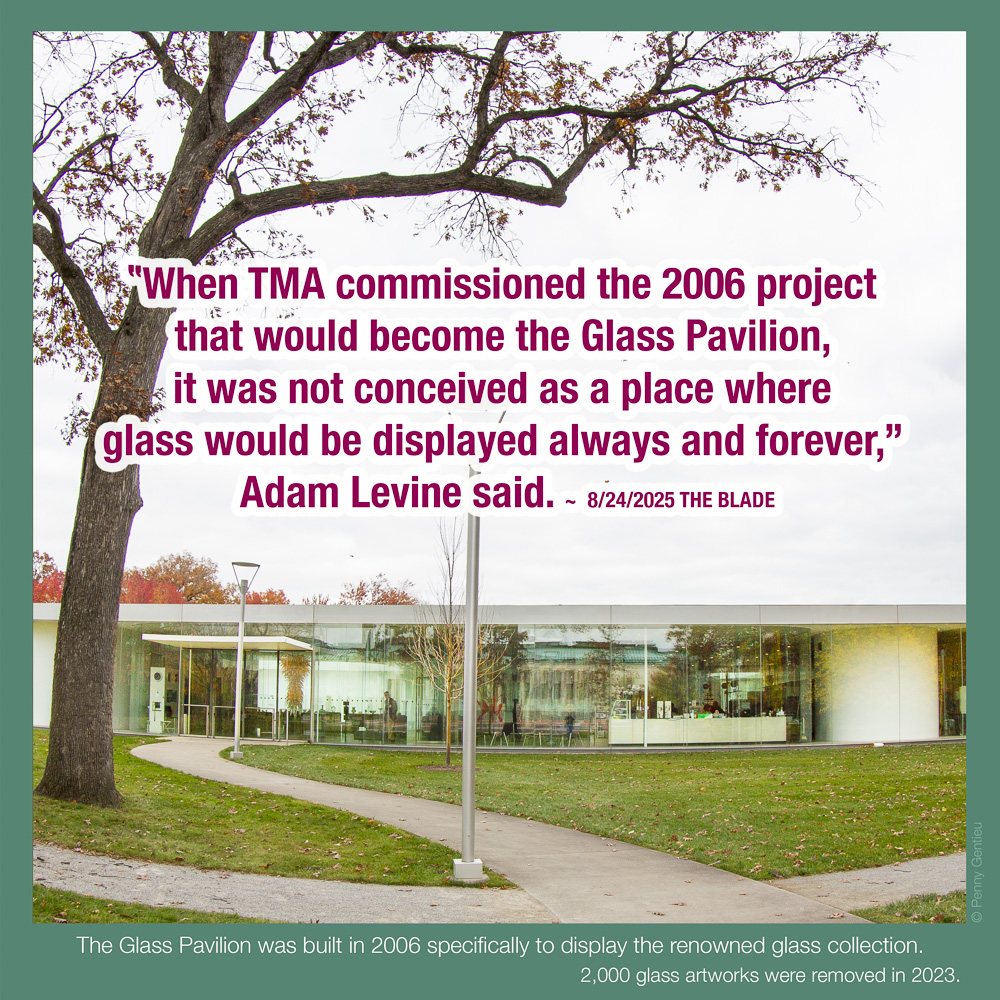
The Toledo Museum of Art has degenerated from being a free, creative, educational space that fostered the birth of the 1962 Studio Glass Movement to being a repressive and hypocritical institution where, in 2025, not even the special Libbey Urns could be completed in the Glass Pavilion that grew out of Toledo’s great glass legacy.
TOLEDO IS A UNION TOWN
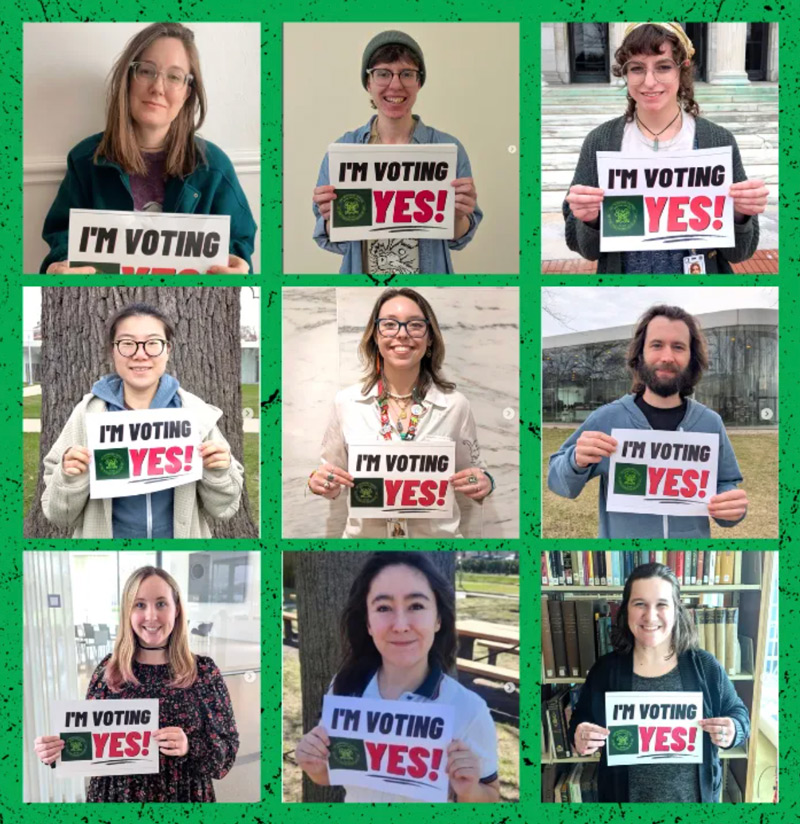
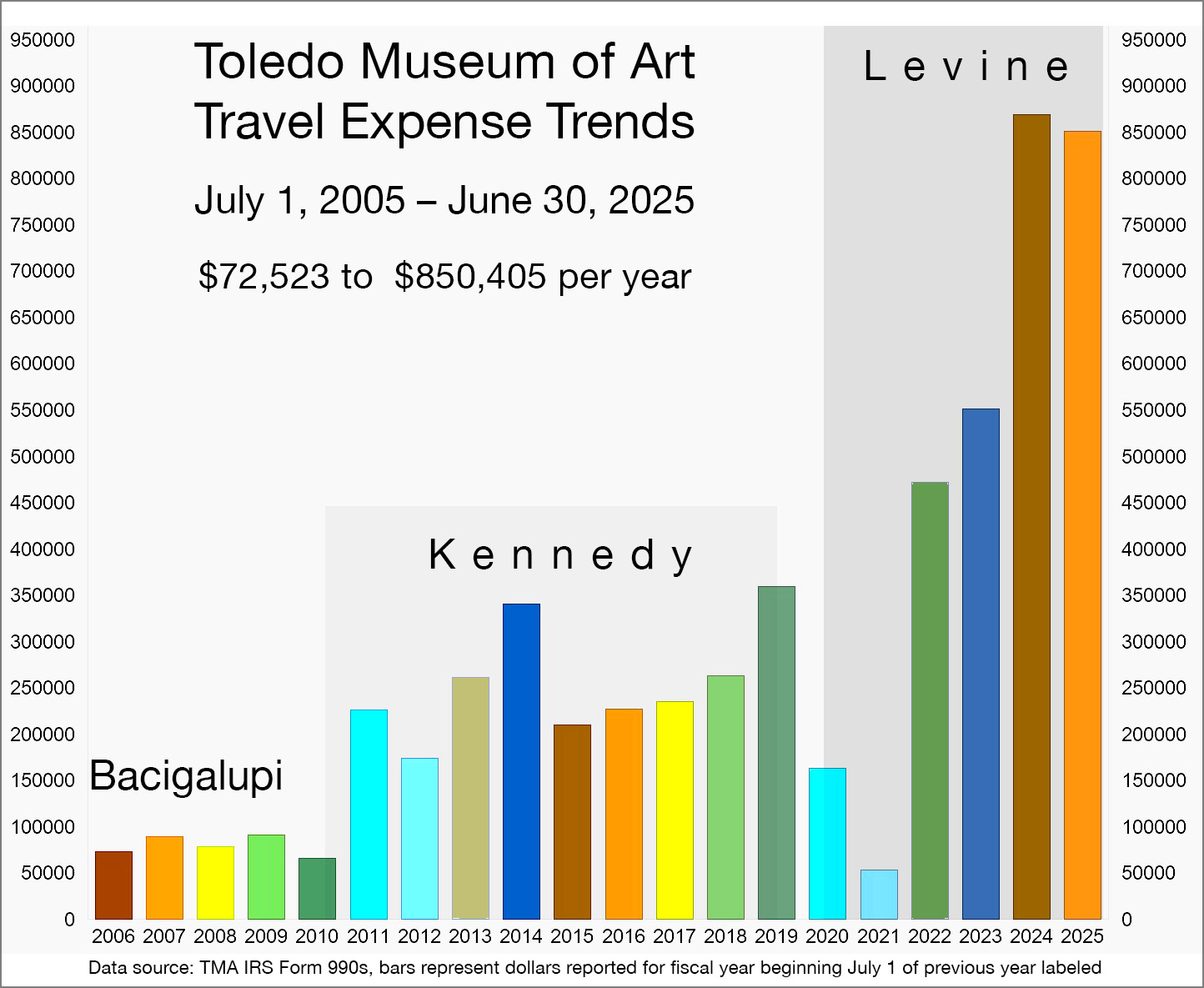
In 2024, while the management was doubling in size and planning massive changes to the museum, the employees started talking about forming a union.
A union of about 100 workers in visitor services, glass studio, research, education, family center, outreach, curators, librarians and more was formed under the American Federation of State, County and Municipal Employees (AFSCME), and was officially recognized in the spring of 2025.
For Chuchen Song, a glass studio specialist, the union is also about strengthening connections and building solidarity among museum staff.
“TMA talks about how the administration can be more supportive to employees and community,” said Song. “As an employee, l believe our union not only provides protection but also brings a positive impact to our community because workers always look out for each other.” – Art Workers United – TMA Win Their Union Election
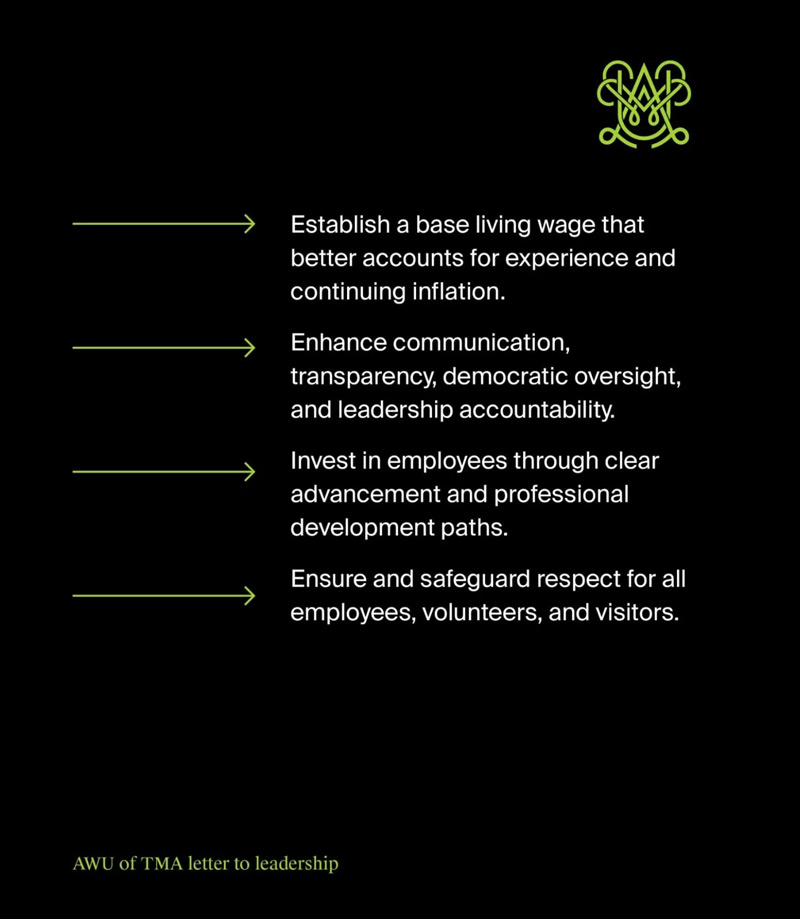
“The time to raise our voices is now,” said Skye Sloane, a Visitor Services Team Lead, “The Toledo Museum of Art is building and remodeling key sections of the Museum in a multimillion-dollar capital project. As employees, we want to make sure there is transparency and an opportunity for employees to have a formal way to make their voices heard. As dedicated cultural workers, we have invested in the Museum’s success and want equal footing.” Art Workers United – TMA Win Their Union Election
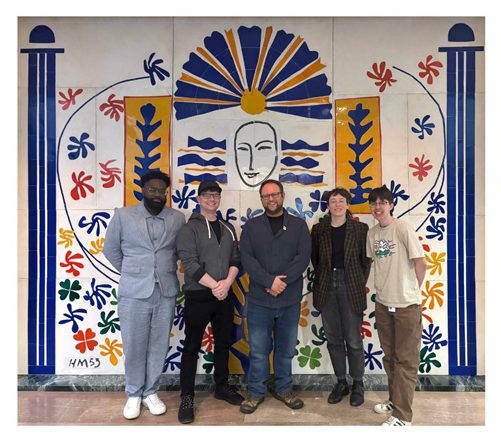
A story about the formation of the union, Toledo Art Museum Workers Move to Unionize, was published by Hyperallergic on April 11, 2025.
The reinstallation project is “a significant change to the institution that we all love, and we wanted to band together and feel sure and secure in our new jobs, benefits, and wages, before the project is completed.” Skye Sloane, a team leader for visitor services, told Hyperallergic.
Jennifer McCary, the museum’s Chief People Officer, told Hyperallergic that the Museum “respects the democratic process and remains committed to fostering a supportive and collaborative work environment for all employees.”
For a museum that says it wants to be an employer of choice, the management has really shown its true colors.
Of the six employees who were interviewed or were photographed for the Hyperallergic article, including Chuchen Song, who was interviewed but not photographed, only half remained employed at the museum one year later, after the formation of the union. These employees were proud of forming the new union, and hopeful for their solidarity at the Toledo Museum of Art, but they were hassled so much by management that they either left on their own or were terminated, according to inside reports.
“It seems the museum is more willing to punish & dispose of loyal staff than address deep-rooted issues in organizational culture & toxic individuals in leadership positions.” Toledo Free Press facebook post, August 18, 2026, with several comments by former museum employees and a glass pavilion student who was mistreated, discussing the toxic environment and mismanagement of the employees.
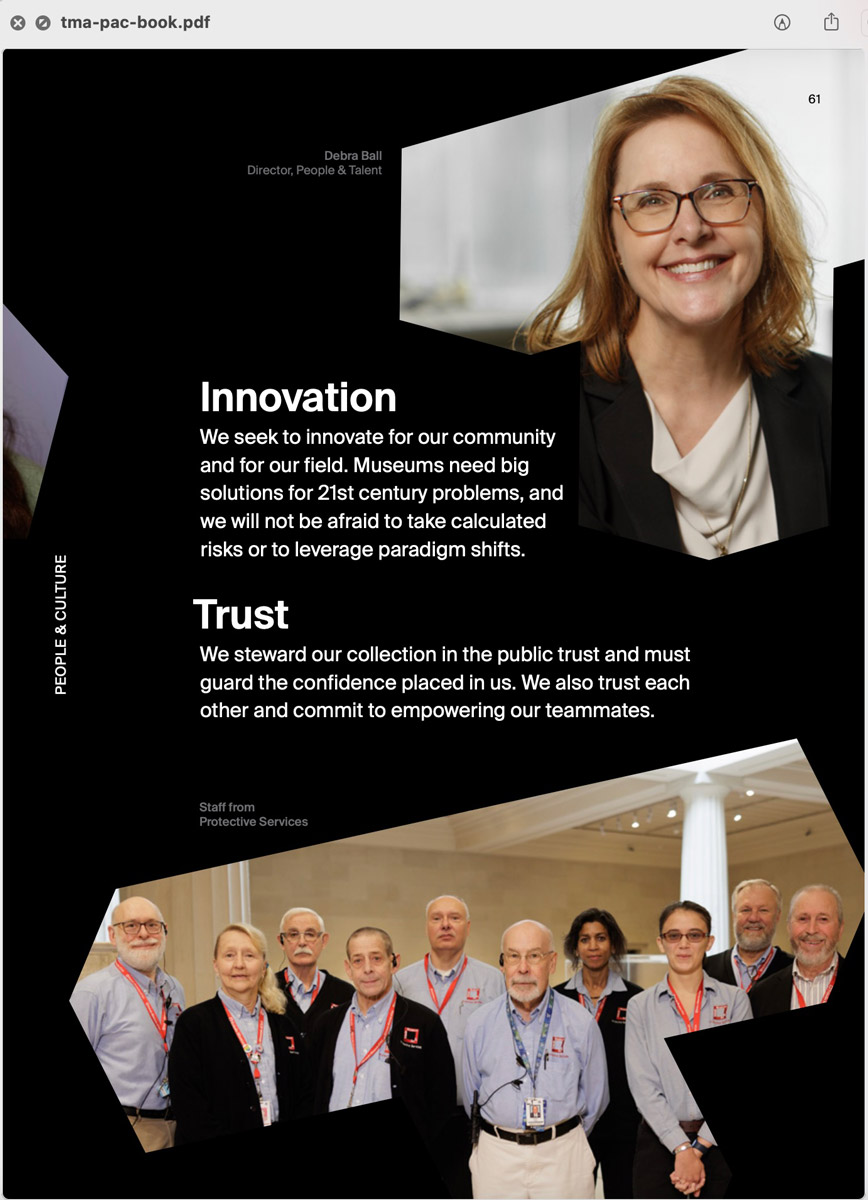
And then there is the situation with the guards.
On April 23, 2026, the Toledo Free Press published an eye-opening report of the museum’s handling of the guards, the largest group employed by the museum – TMA guards express hurt, surprise at outsourcing services.
As the guards discussed unionizing, the management fired them, offering to rehire them through a third party agency, without benefits.
See this new story published by Urgent Matter on July 27, 2026: Labor charge accuses Toledo Museum of Art of firing guards over union activity
On May 6, a complaint was filed with the (National Labor Relations Board (NLRB) on behalf of all guards, claiming retaliation and unlawful interference. The filings allege that the museum interrogated security staff about their collective bargaining interests and discriminated against workers who “joined or supported a labor organization”. Furthermore, guards were allegedly terminated for engaging in legally protected activities, which included protesting working conditions and openly discussing wages.
The friction escalated after the museum announced plans to outsource most of the Protective Services department—the largest wing of its workforce with over 60 employees—to a third-party contractor, Safeguard Security Services. This operational shift effectively forced the original museum guards to reapply for their own positions. Legal counsel has filed formal notices on behalf of the museum, and the NLRB case remains an active investigation.
Allegations:
- 8(a)(3) Discharge (Including Layoff and Refusal to Hire (not salting))
- 8(a)(1) Interrogation (including Polling)
- 8(a)(1) Concerted Activities (Retaliation, Discharge, Discipline)
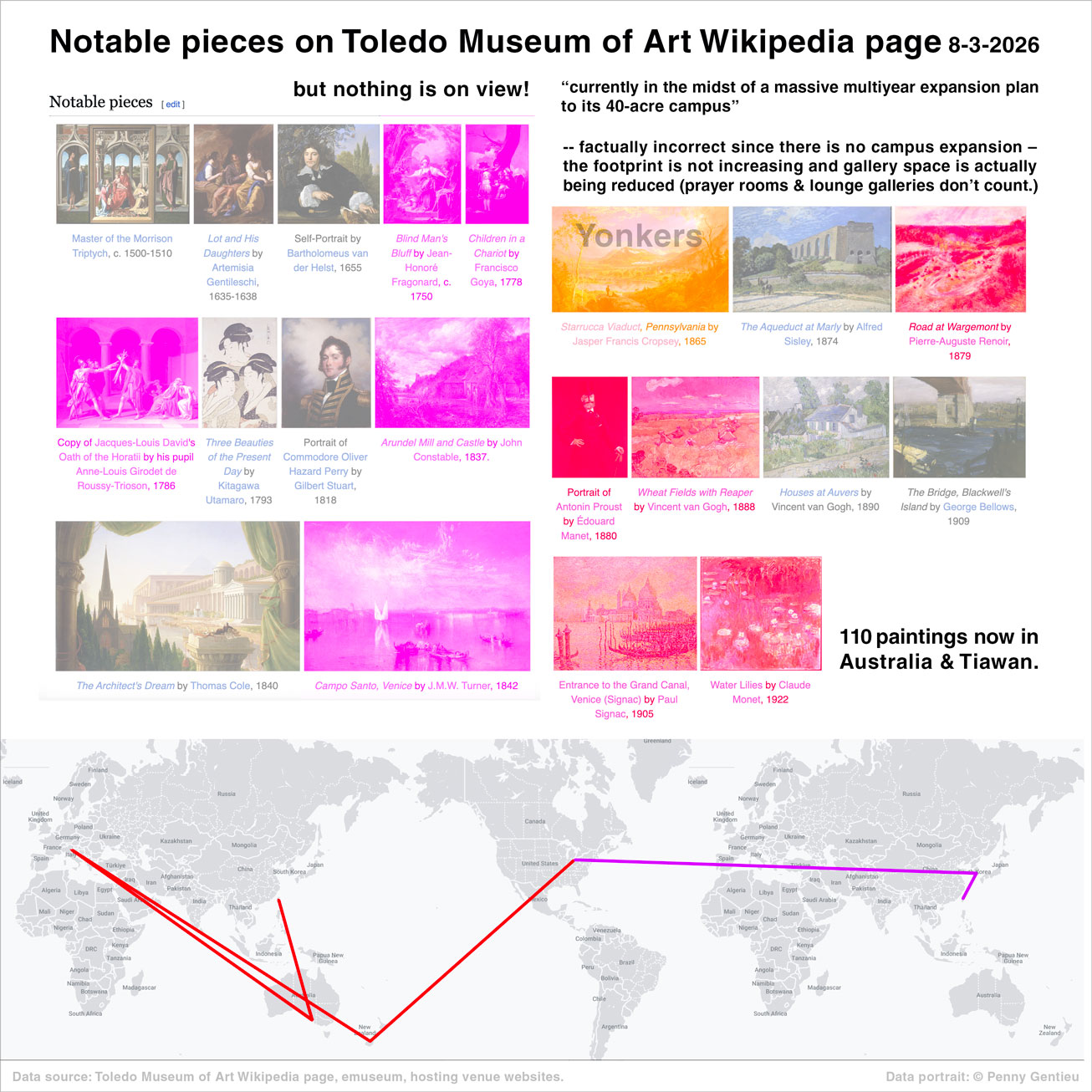
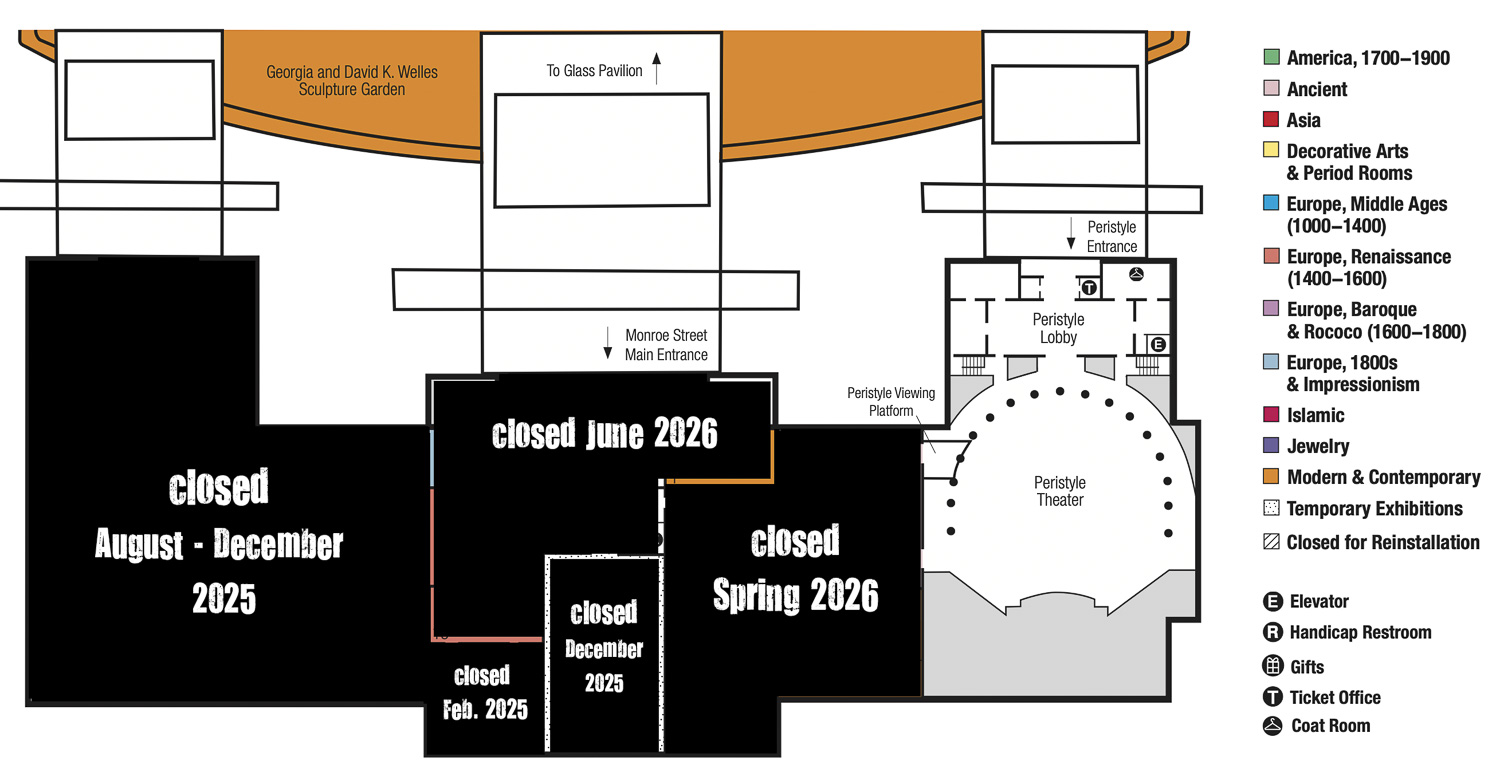
It’s a frightening time for those who love the Toledo Museum of Art, whether they be employees, ex-employees, or the public at large, to see the museum imploding like this – not only the physical closure of the galleries but the utter dysfunction of leadership and staff.
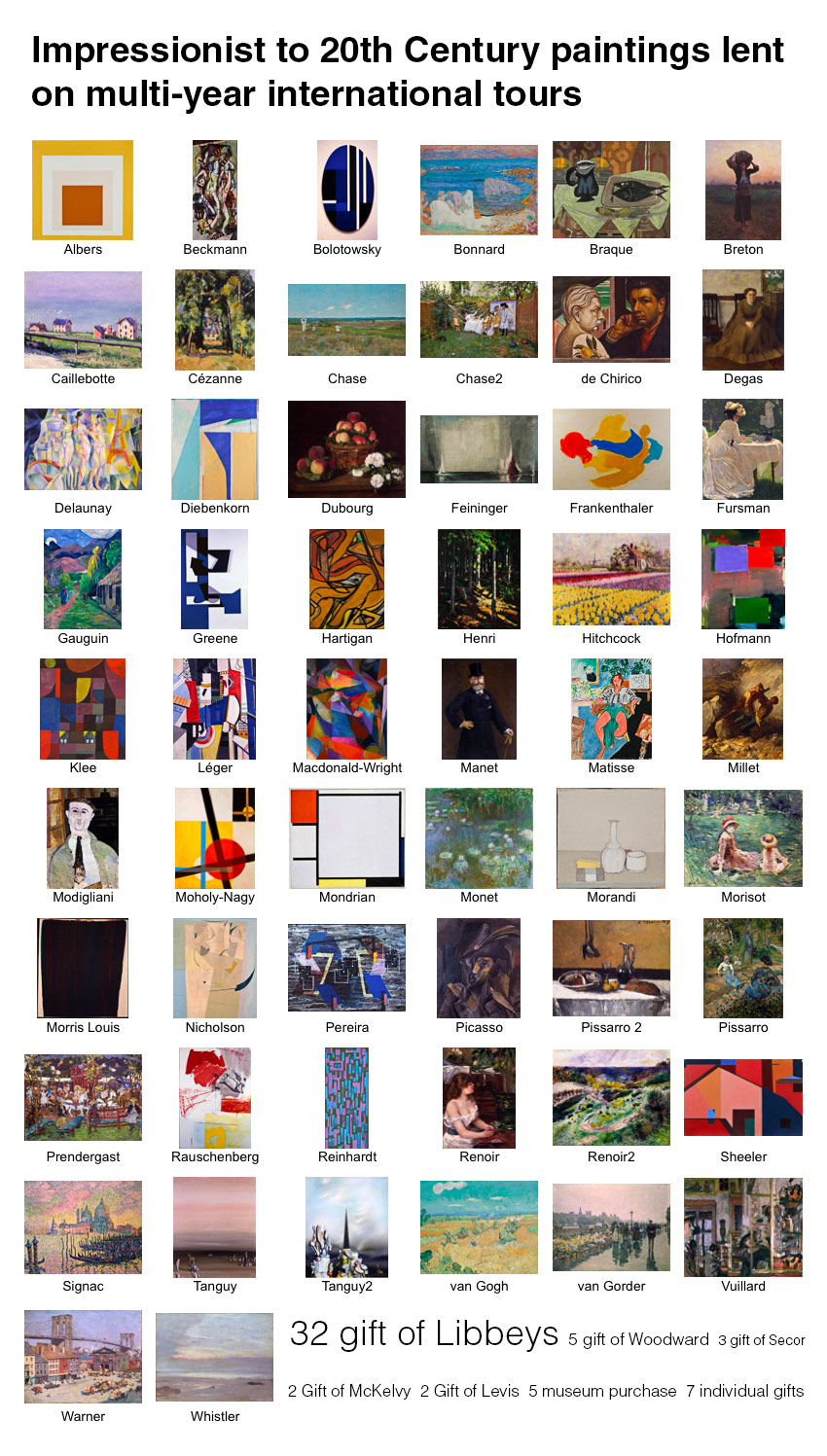
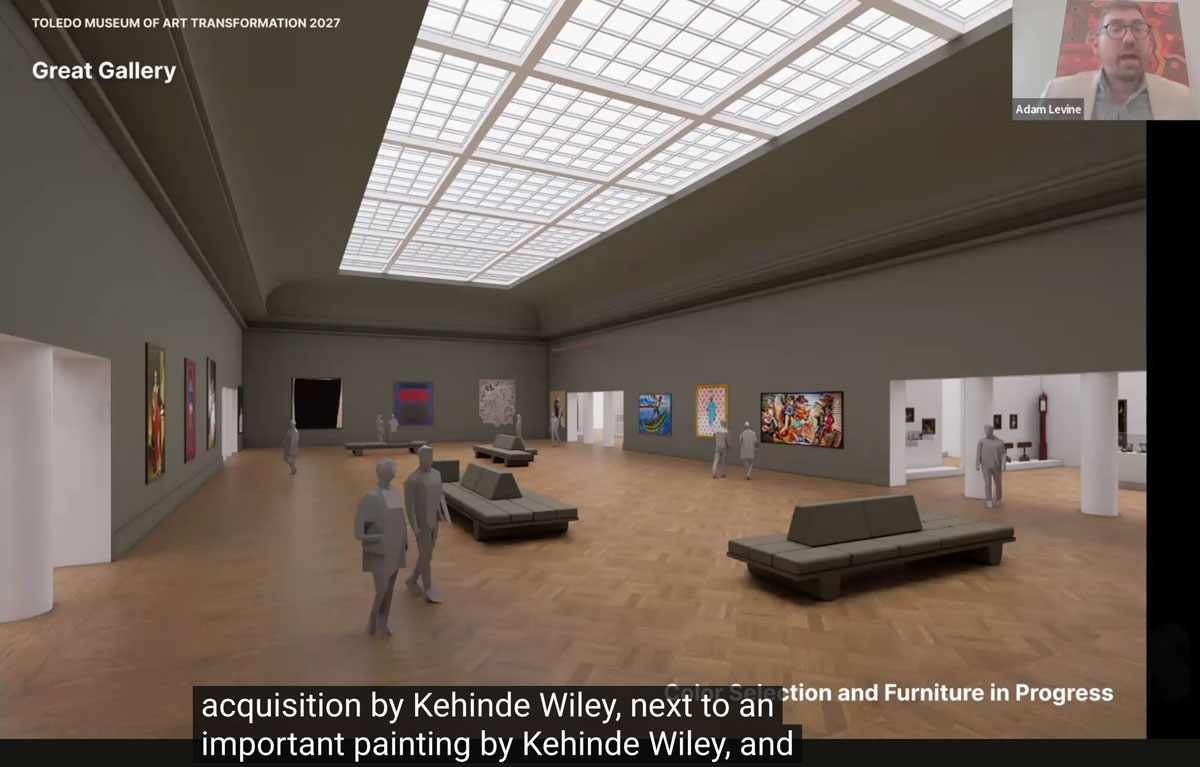
The galleries are closed. The art has been sent away. Hanging precariously out on a limb is Toledo’s glass legacy and about 20 billion dollars worth of public art. The museum belongs to the people of Toledo. Do people understand that? Why are they letting this happen?