What Toledo Is Losing: Stewardship Across Time
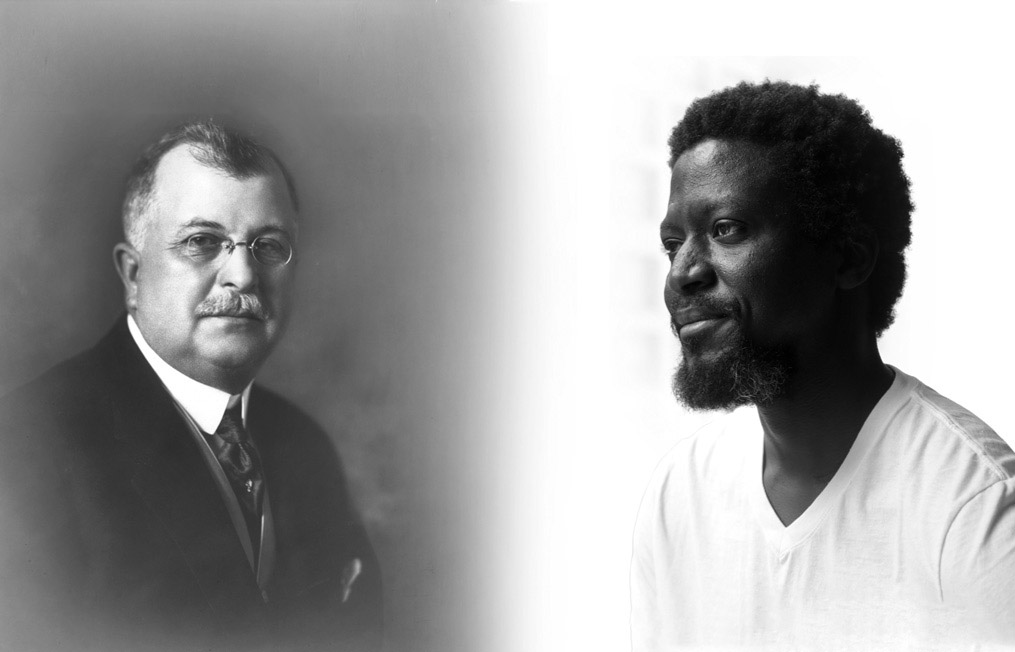
I find myself comparing Edward Drummond Libbey and Ibrahim Mahama. I began thinking about Ibrahim Mahama because my work along with my daughter’s work is currently part of an exhibition in one of the cultural spaces he has created in Ghana. More than a century apart, the two men each represent a different vision of how culture is built and sustained.
Ibrahim Mahama: Building for a Future He Will Not See
Ibrahim Mahama is a Ghanaian artist whose work engages collective memory and historical narratives deeply rooted in Ghana’s past and present. He has described his practice as a form of “time travel.” Internationally celebrated, Mahama has chosen to turn the profits of the global art market back into his home region of northern Ghana—building studios, research centers, archives, and public cultural spaces that serve artists and communities far beyond his own career.
Mahama’s work is often discussed in terms of materials, but its most consequential dimension may be institutional. Rather than withdrawing from Ghana after achieving international success, he has reinvested directly in place. His cultural spaces preserve memory, support research, and provide infrastructure for artists and the community.
Mahama does not dismantle cultural memory in order to innovate. He adds to it. His institutions are long-term civic commitments meant to outlast his own presence. They are built on the assumption that continuity itself has value.
Seeing what Mahama is building in Ghana made me reconsider what Toledo once understood a museum to be.
Edward Drummond Libbey and the Civic Ideal of the Museum
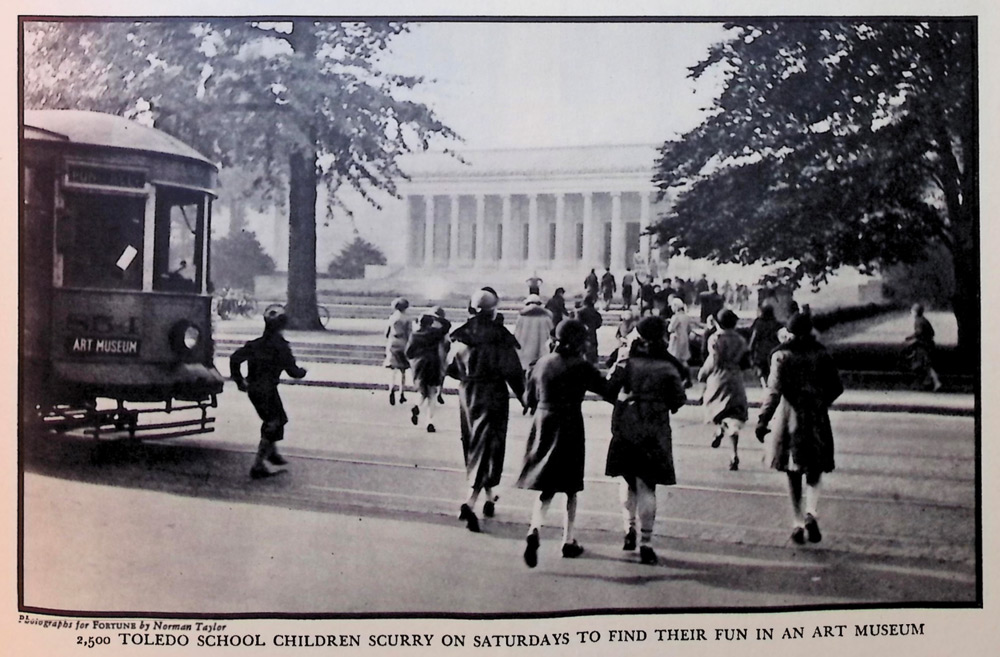
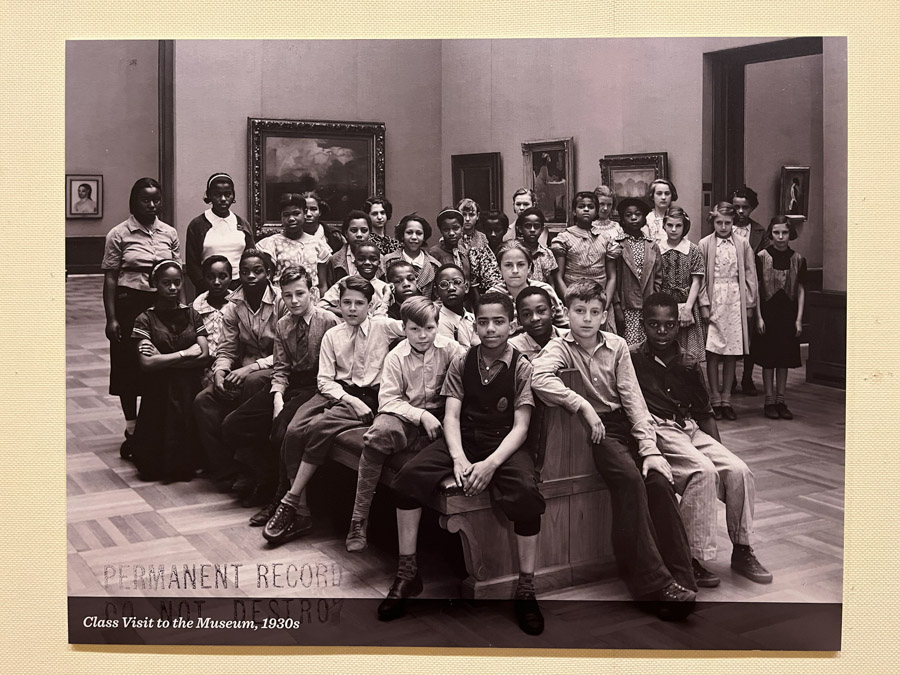
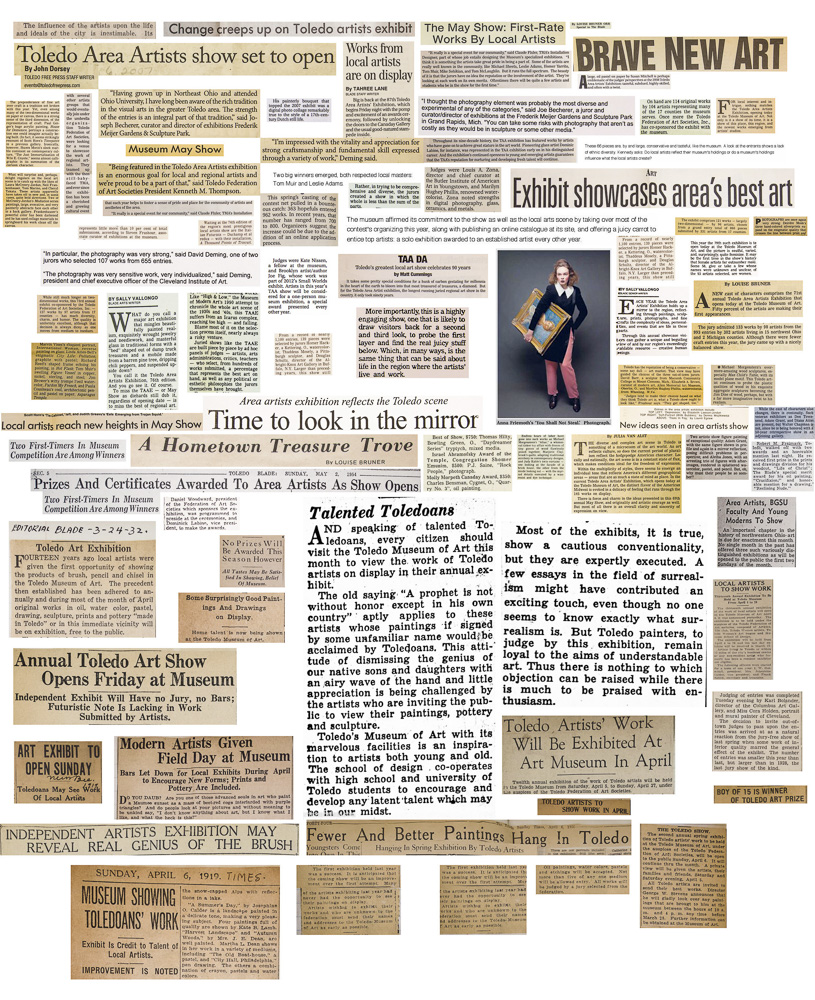
More than a century earlier, Edward Drummond Libbey made a remarkably similar decision. At the height of his success in the glass industry, Libbey endowed the city of Toledo with something radical for its time: a free, educational art museum meant to belong to the entire community. From its founding, the museum was free and educational, and civic at its core. It offered year-round Saturday art classes for children, college students, and adults. For nearly a century, it hosted the annual Toledo Area Artists Exhibition, a cultural touchstone that brought the local artist community together and helped launch countless careers.
Along the way, curators assembled an encyclopedic collection of art from around the world. The majority of the museum’s most valuable works were either gifted by the Libbeys or acquired through endowments they established. Edward Drummond Libbey and his wife, Florence Scott Libbey, articulated a clear governing principle: for every dollar spent on administration, an equal dollar should be spent on art. This balance was meant to keep the institution grounded in its purpose.
For much of the twentieth century, the museum thrived under long-serving directors who built steadily on this foundation. The Toledo Museum of Art was widely regarded as a model democratic institution—without having to announce itself as one.
Mahama reinvests success back into the community that produced it.
Libbey endowed permanence so art would remain available to those who lived with it. Different eras, different methods — the same ethic.
Continuity: How Stewardship Actually Works
Stewardship is the promise that what one generation builds, the next will care for and carry forward.
Cultural stewardship is slow. Its effects accumulate quietly over decades, often unnoticed while they are happening. Institutions like museums do not shape people through spectacle, but through repetition and presence—by being there year after year, generation after generation.
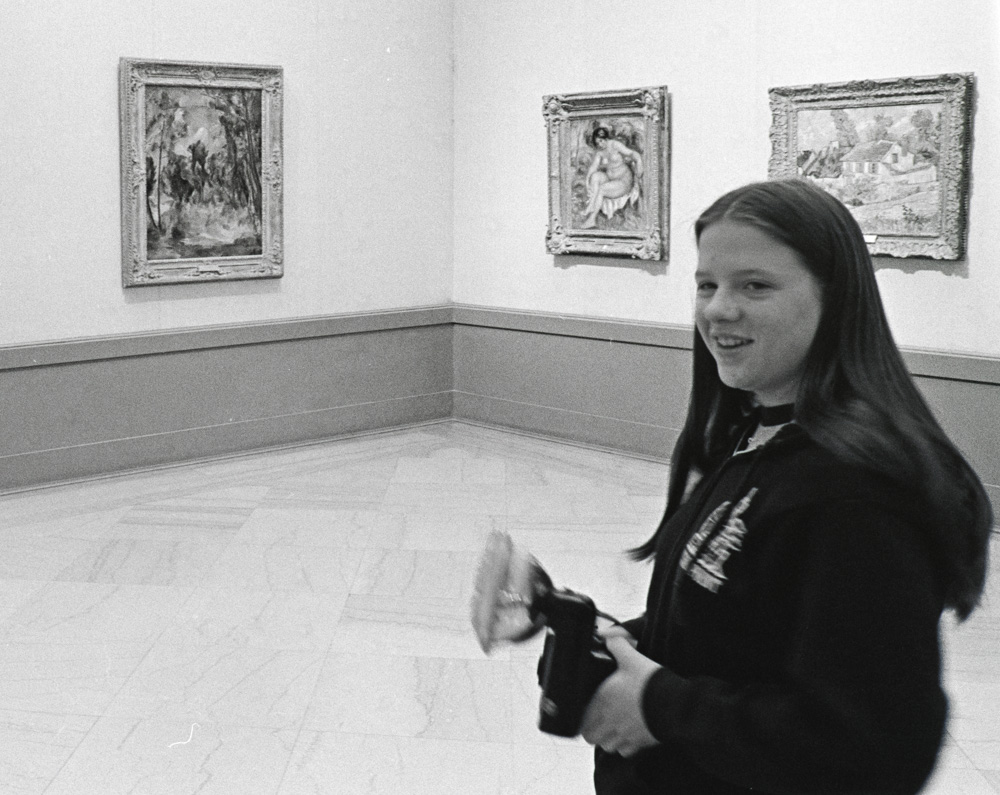
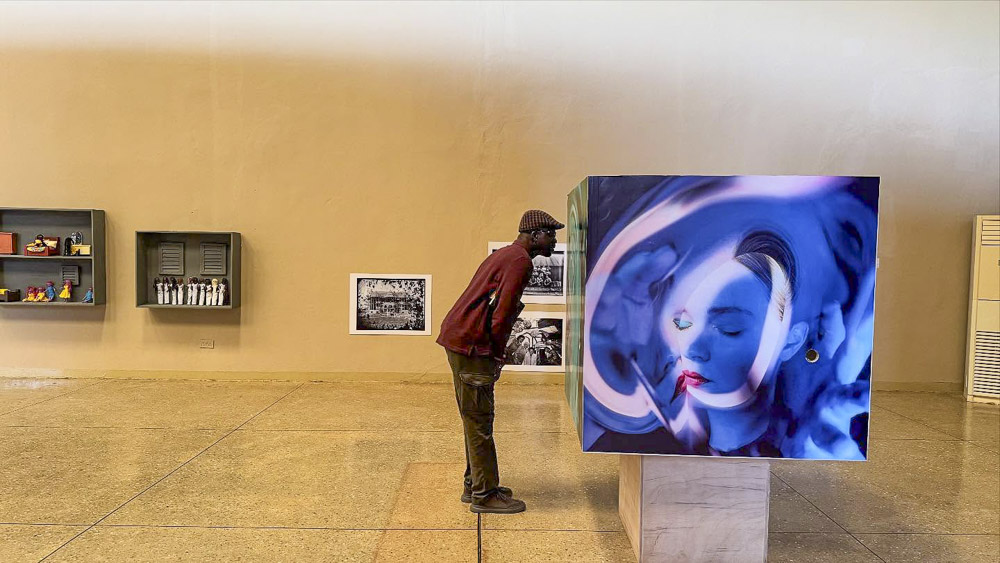
I understand this not only as an observer, but as a product of that system. I grew up with the Toledo Museum of Art as a civic constant, taking classes there from childhood through college. Art was not presented as exceptional or exclusive; it was simply part of life. That continuity mattered. It shaped how I understood art and culture as shared civic goods. Today, my work appears internationally, in an exhibition at the Savannah Centre for Contemporary Art in Ghana built by Ibrahim Mahama. That connection clarified something for me: Libbey’s legacy was never just a building or a collection. It was people.
What changes when art stops belonging to a place
and starts working for an institution?
Stewardship vs. Leverage
What we are seeing now treats legacy as something to be leveraged.
Leveraging art is part of the museum’s 2021 Strategic Plan – “TMA’s exhibitions will depart Toledo to traverse the globe, providing the Museum and its hometown the visibility it once enjoyed.” As Adam Levine stated to The Blade in 2022, “now we have a cultural shift and a new framework for how we can leverage this extraordinary collection to service the community.”
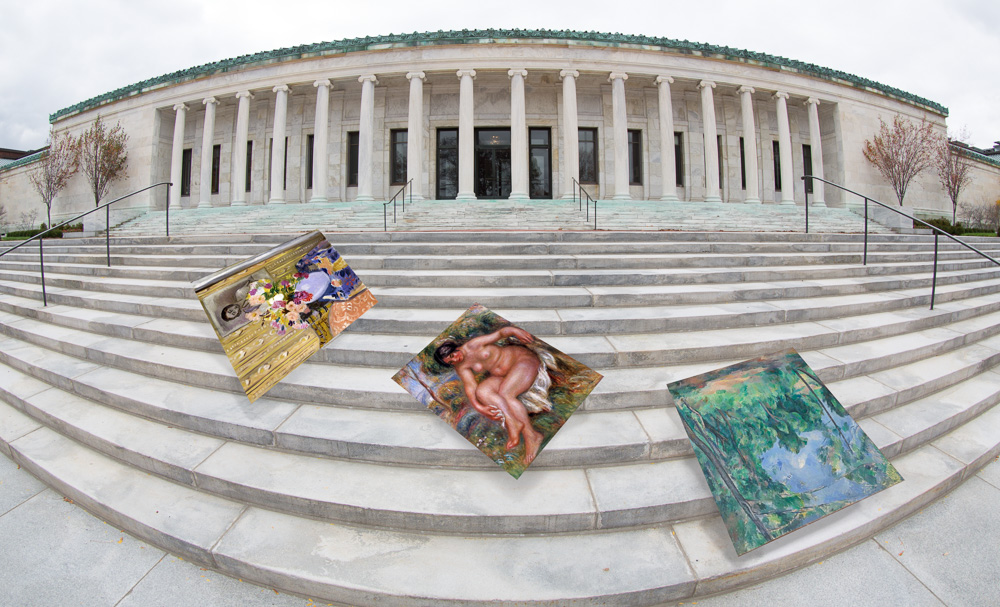
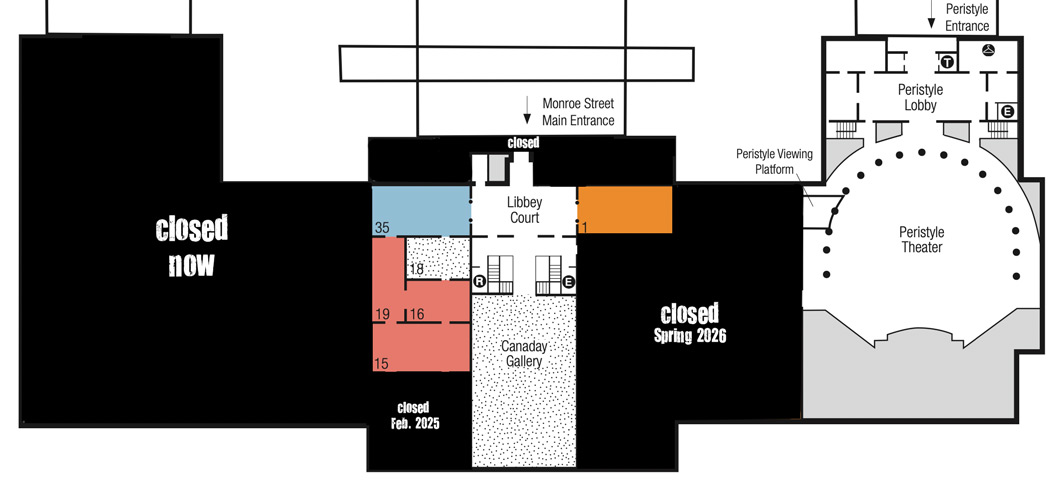
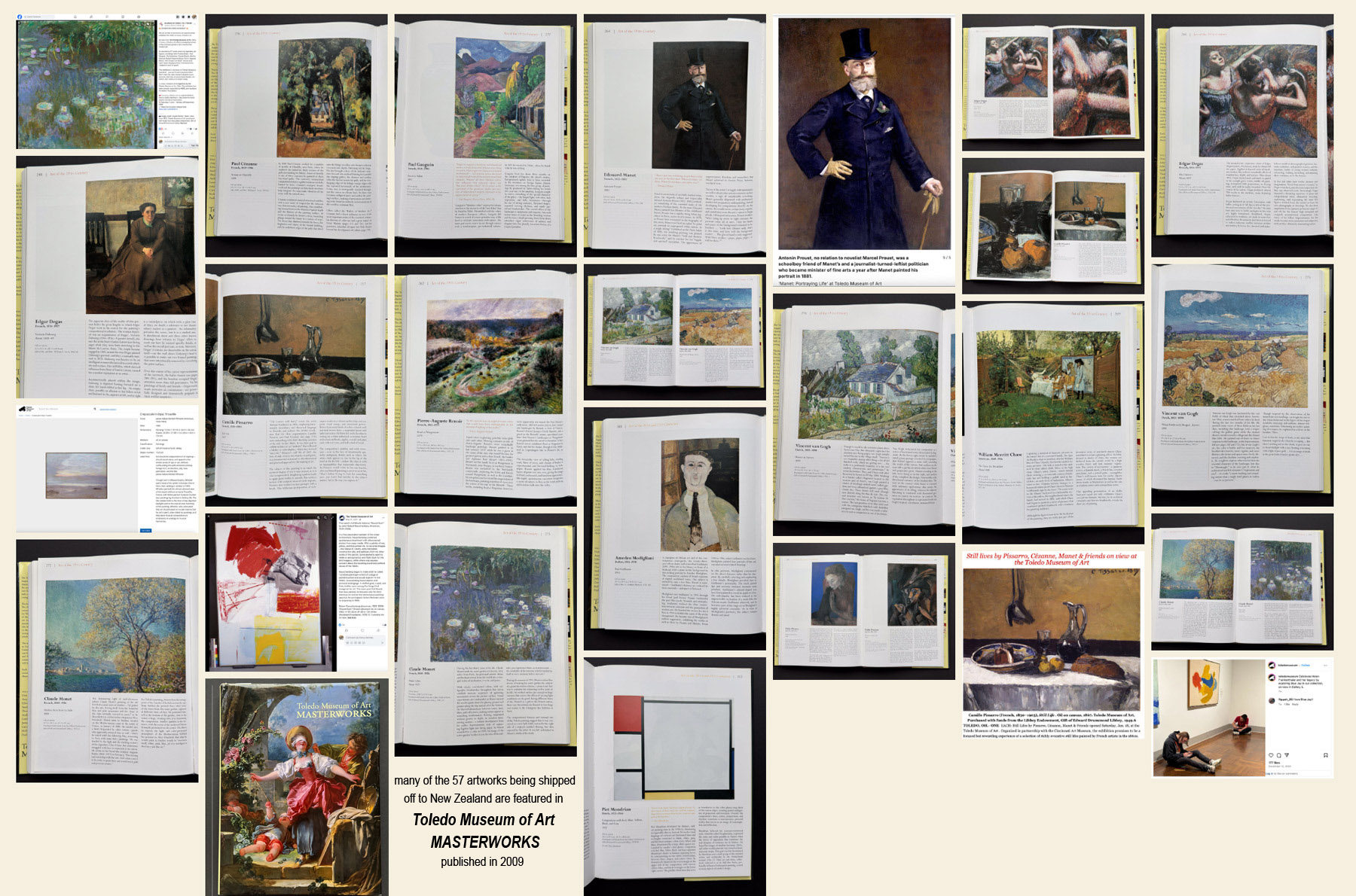
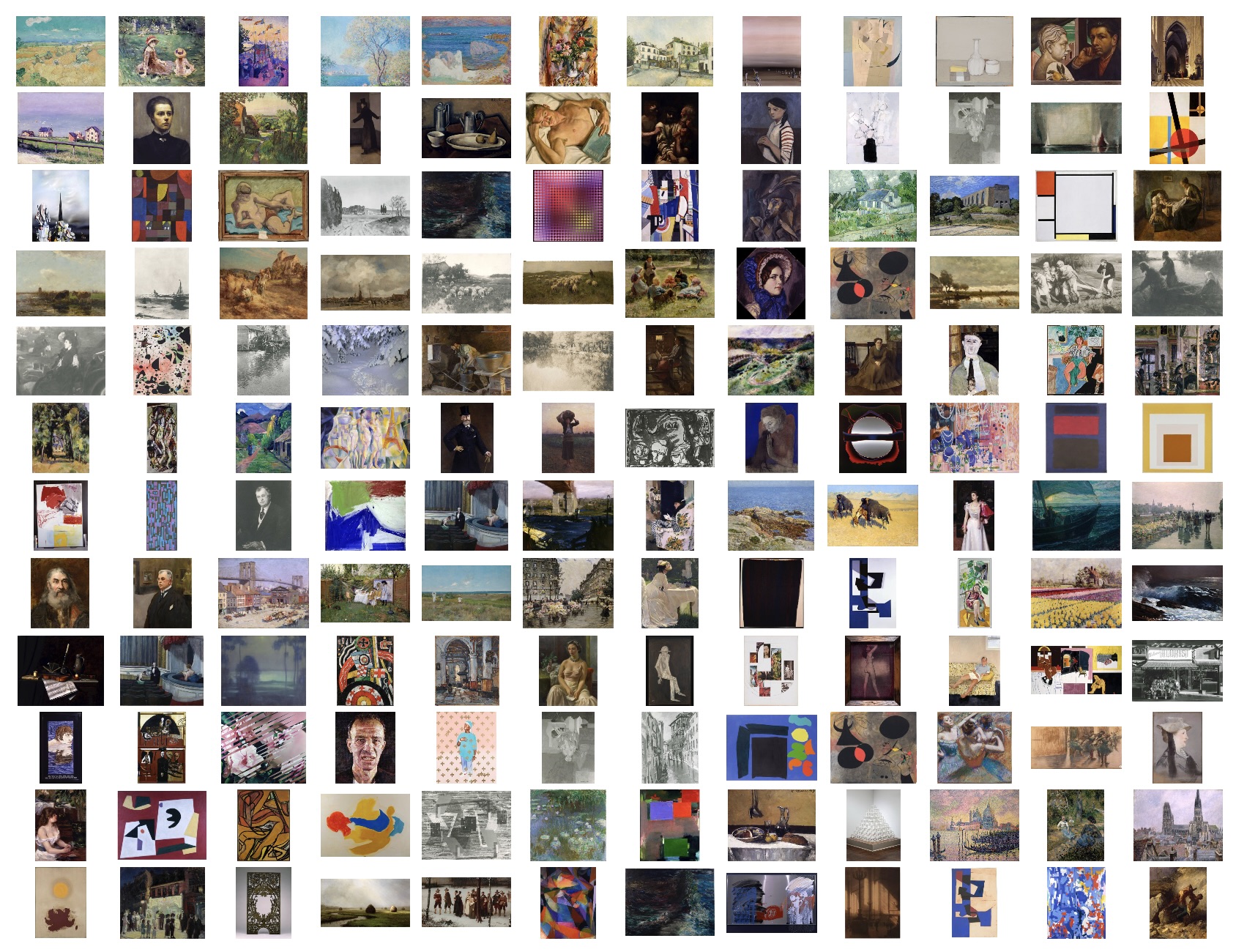
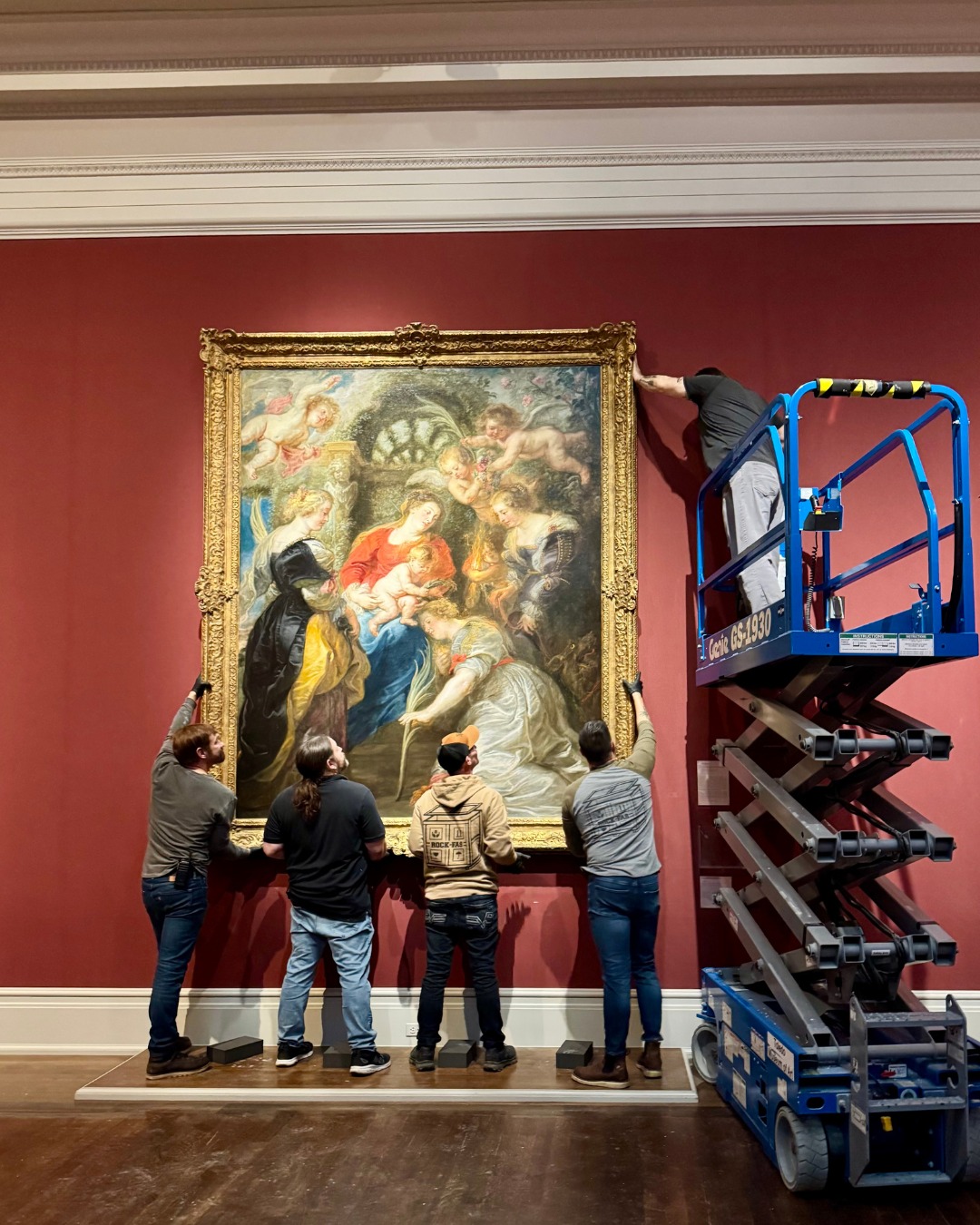
Dozens of masterworks — many long understood as highlights of the museum — have been removed from Toledo’s walls and sent abroad. Toledoans lose access, continuity, and presence, while the institution gains visibility, prestige, and philanthropic reach elsewhere. Whether or not these arrangements are called loans, they function like renting out the collection — converting Toledo’s inheritance into institutional capital.
This shift has been accompanied by a new level of opacity. At a December town hall, the director refused to disclose the total cost of the museum’s reinstallation. “The benefit of being private,” Adam Levine stated, “is that I don’t have to answer that question.”
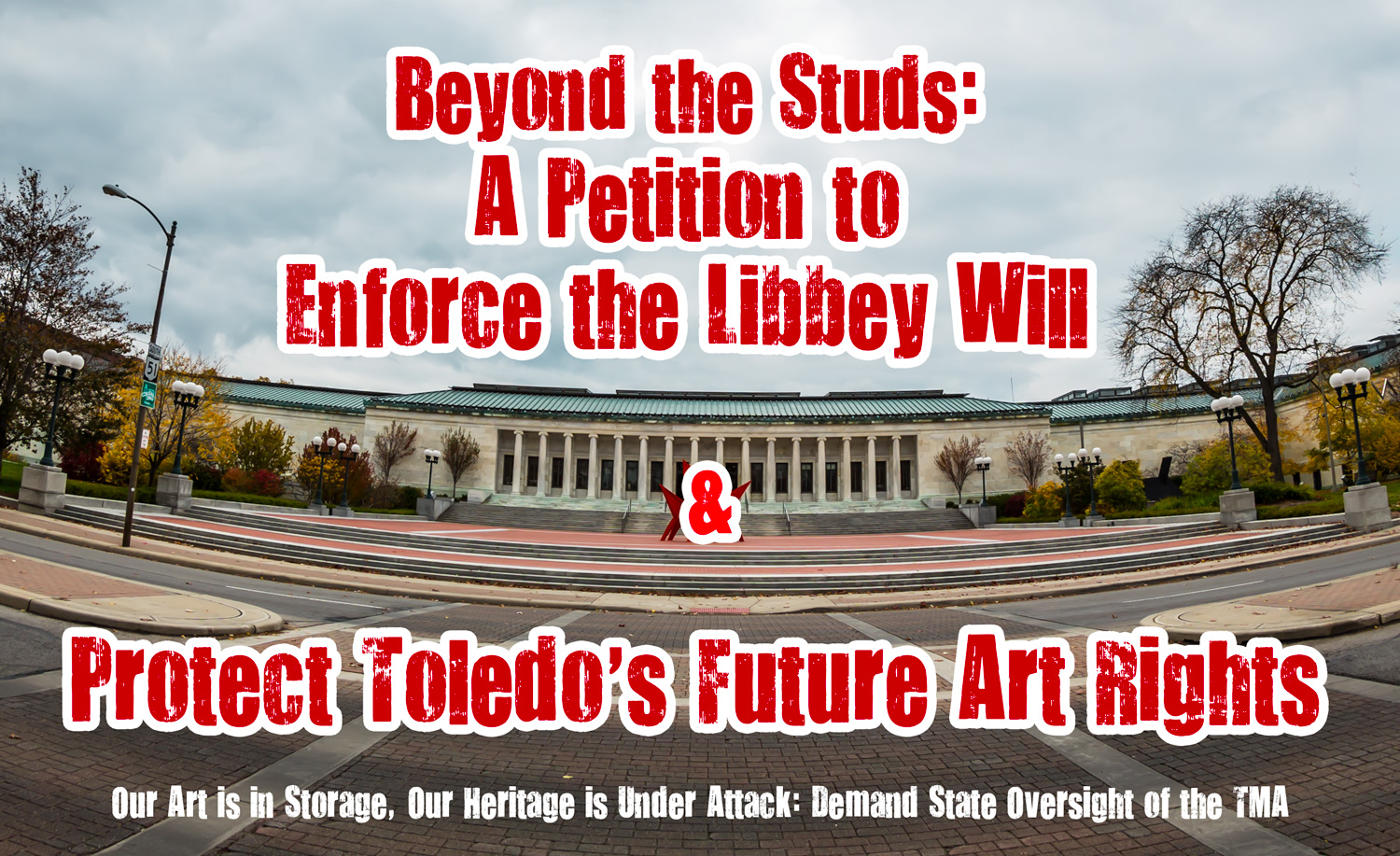
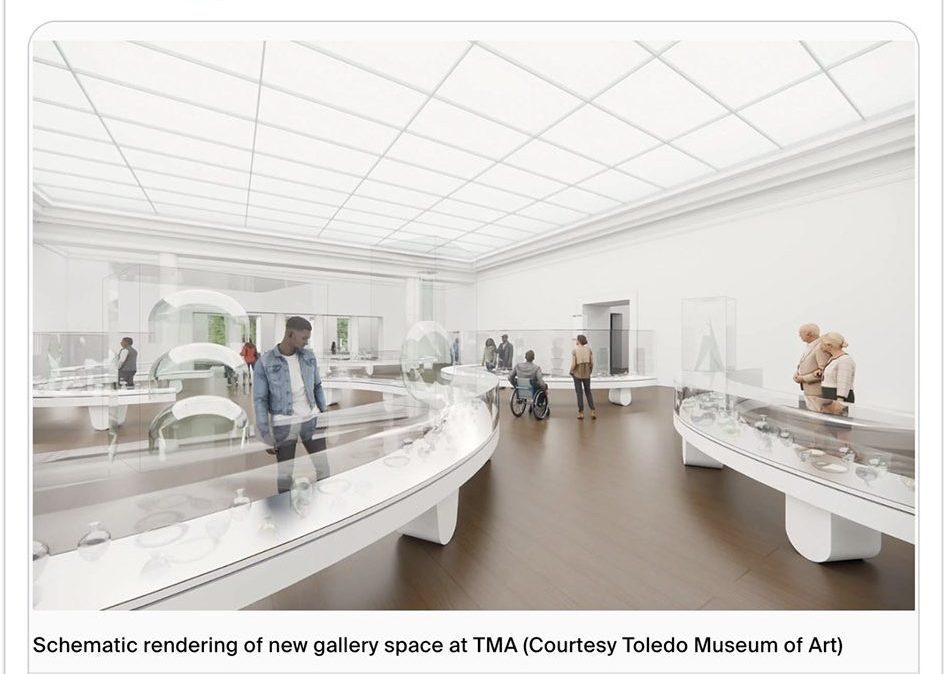
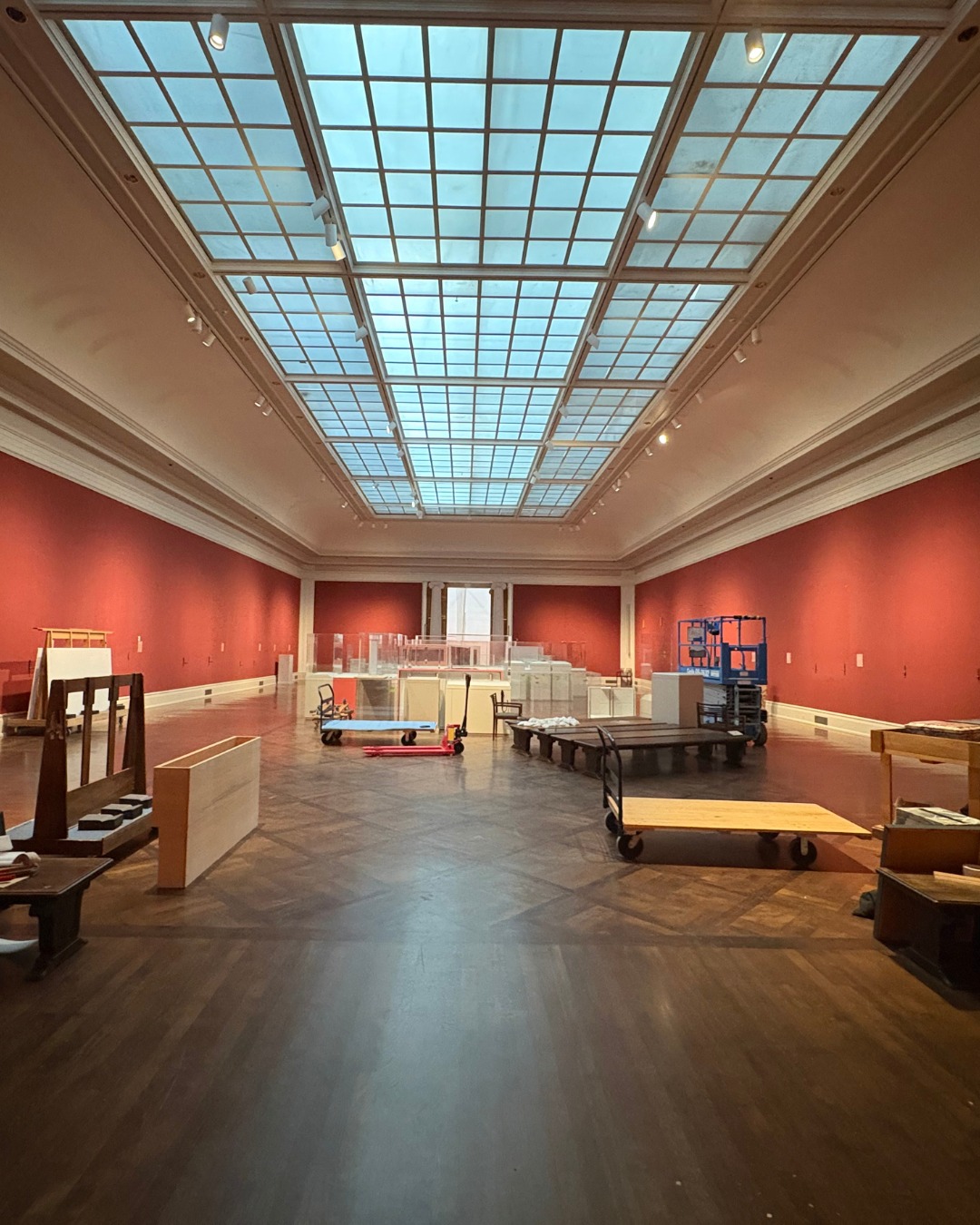
With the collection built over more than a century through Libbey endowments and local stewardship, worth many orders of magnitude more than the physical systems used to justify its absence, the museum is undergoing a complete transformation, right down to the physical studs. It’s not merely a change in exhibition strategy, it’s a change in ethics. A museum founded on the principle that art should stay, teach, and belong now treats mobility as virtue and absence as acceptable. The people of Toledo are asked to trust – without transparency – that this leveraging of their inheritance will serve them.
Stewardship Includes Labor
Tourists [will be] shocked and delighted to be welcomed by a diverse and empowered staff so clearly loving what they do and the institution they serve.” – 2021 Strategic Plan.
The irony.
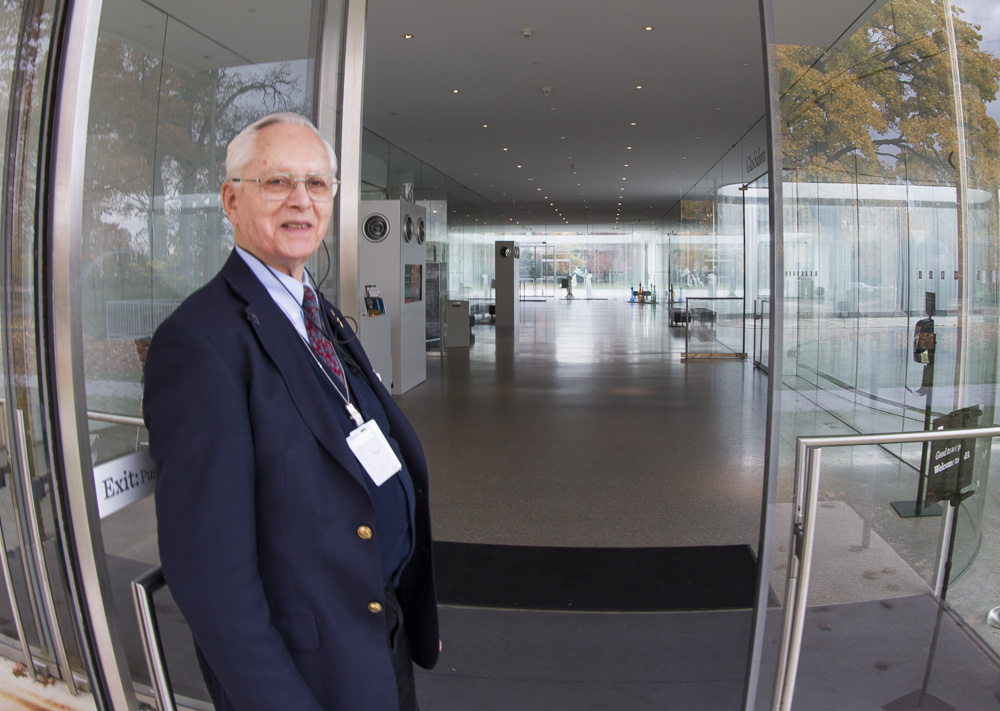
For generations, the museum guards at the Toledo Museum of Art were not simply security. They were trained, knowledgeable, and deeply embedded in the daily life of the museum — often serving as the most human point of contact between Toledoans and their art.
Longtime interpreters and art ambassadors, the replacement of museum guards with a third-party contract service signals another quiet shift: away from relational knowledge and toward transactional presence.
Additionally, “visitor services” workers at the entrances are being replaced by kiosks. Labor is increasingly treated the way the collection is: something to be optimized, externalized, and leveraged.
When a museum distances itself from its workers, it distances itself from its public. And when labor becomes peripheral, the institution risks hollowing out the very relationships that once made it matter.
The Central Question
Would Edward Drummond Libbey have wanted his museum dismantled, its masterworks dispersed, and its educational core deemphasized and long-time workers replaced in the name of reinvention?
And how would Ibrahim Mahama feel if the cultural institutions he is building today were stripped of their purpose a century from now and repurposed into something unrecognizable?
The most radical act a cultural institution can take is not reinvention but continuity—honoring the trust placed in it by the past while making room, carefully and responsibly, for the future.
These two men belong to very different moments in history, but both understood that culture does not sustain itself. It survives only when someone decides it is worth building — and worth protecting. The question for Toledo is what kind of stewardship it now believes in.
Mahama builds so culture can endure where it is made. Libbey endowed a museum so art would belong to the people who lived with it. That is the standard Toledo was given. And it is the standard against which this moment should be measured.
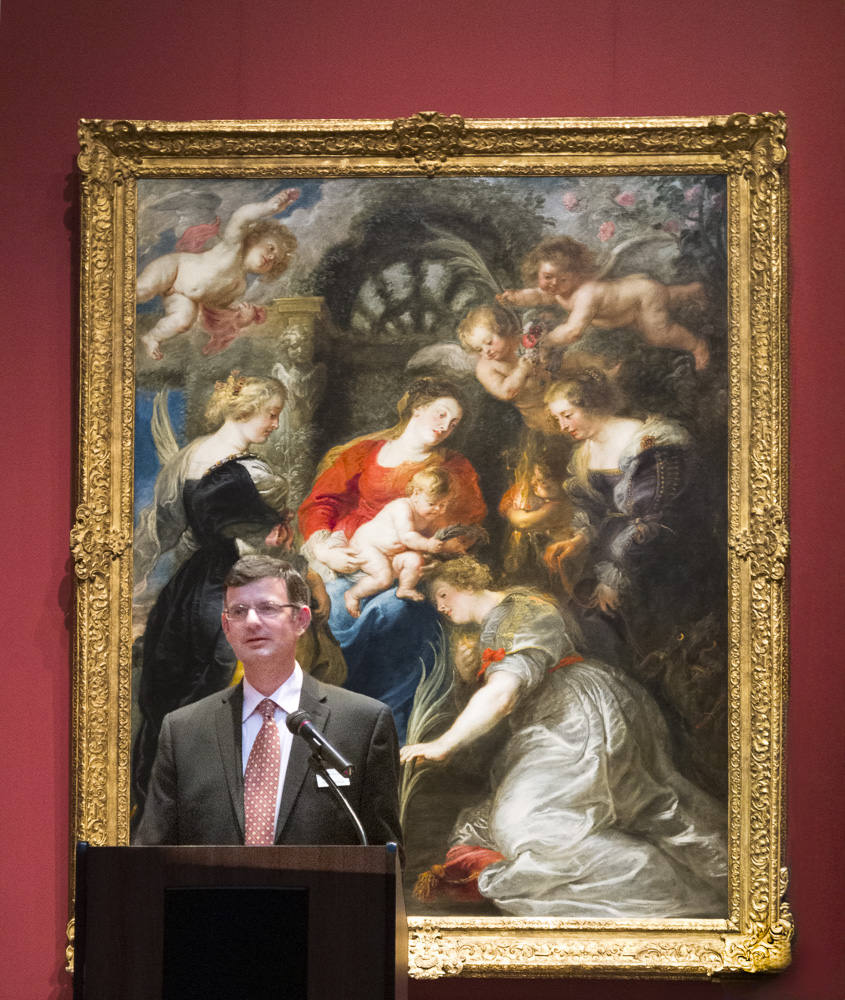
Within five years, changes were made at great speed—resulting in mass removals of artwork, off-site storage across the country, and a wholesale transformation of the museum’s physical space. I have documented this sequence here:
Timeline of Changes at the Toledo Museum of Art (2014–Present)
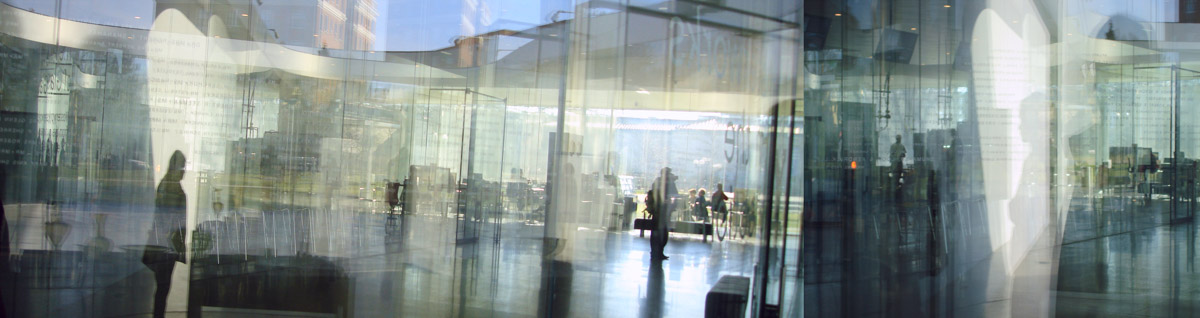
The Life and Death of the Museum: Photos
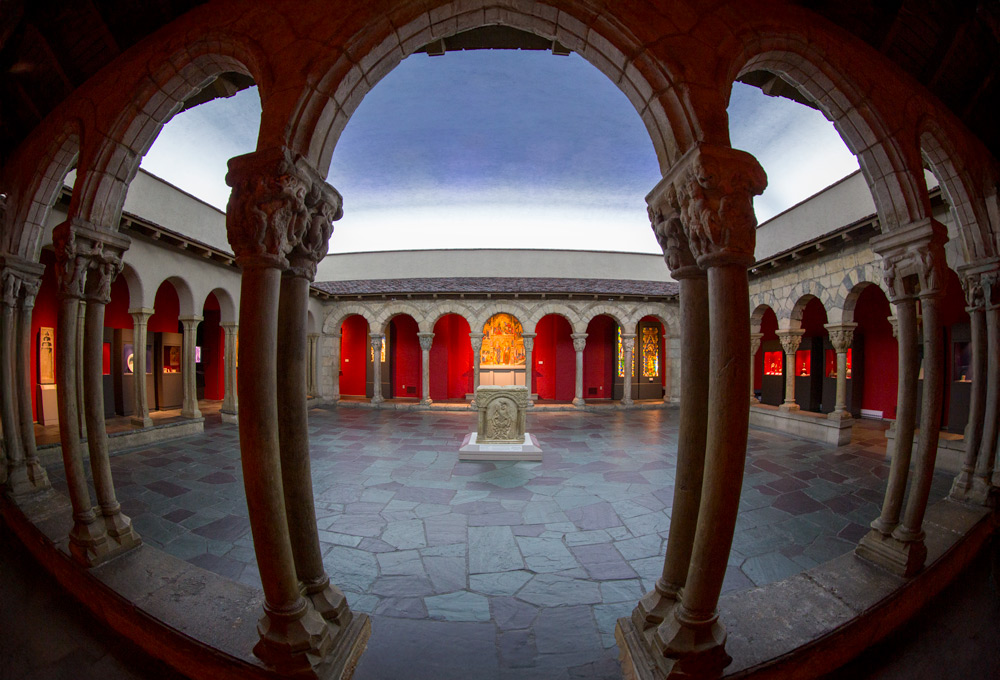
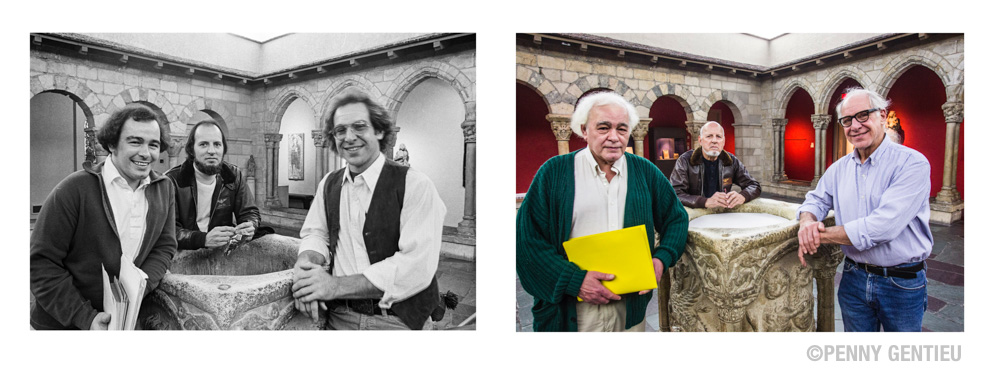
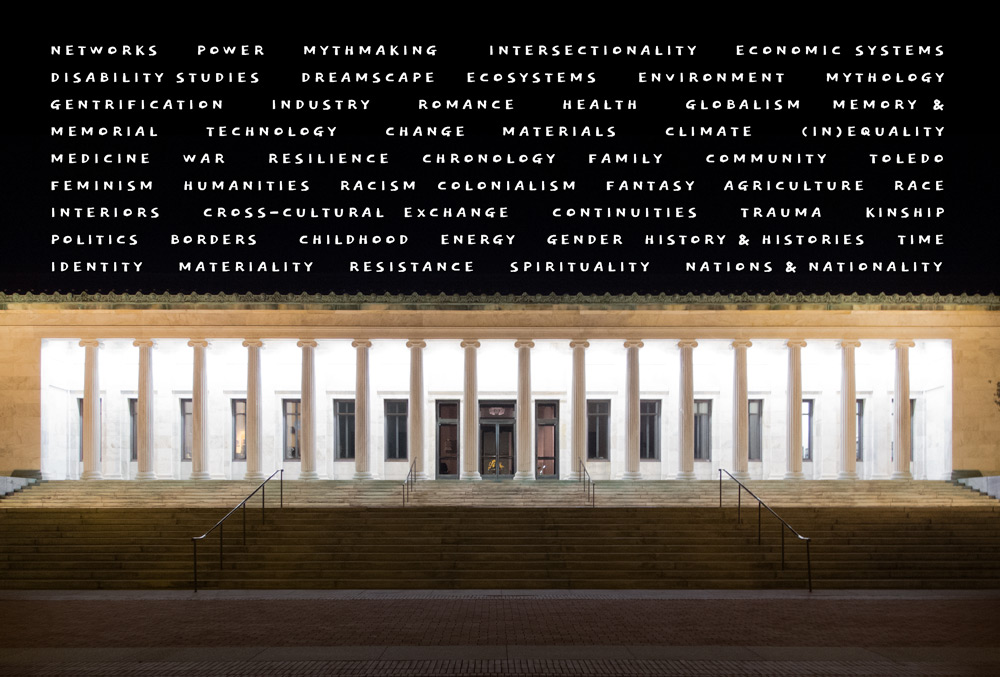
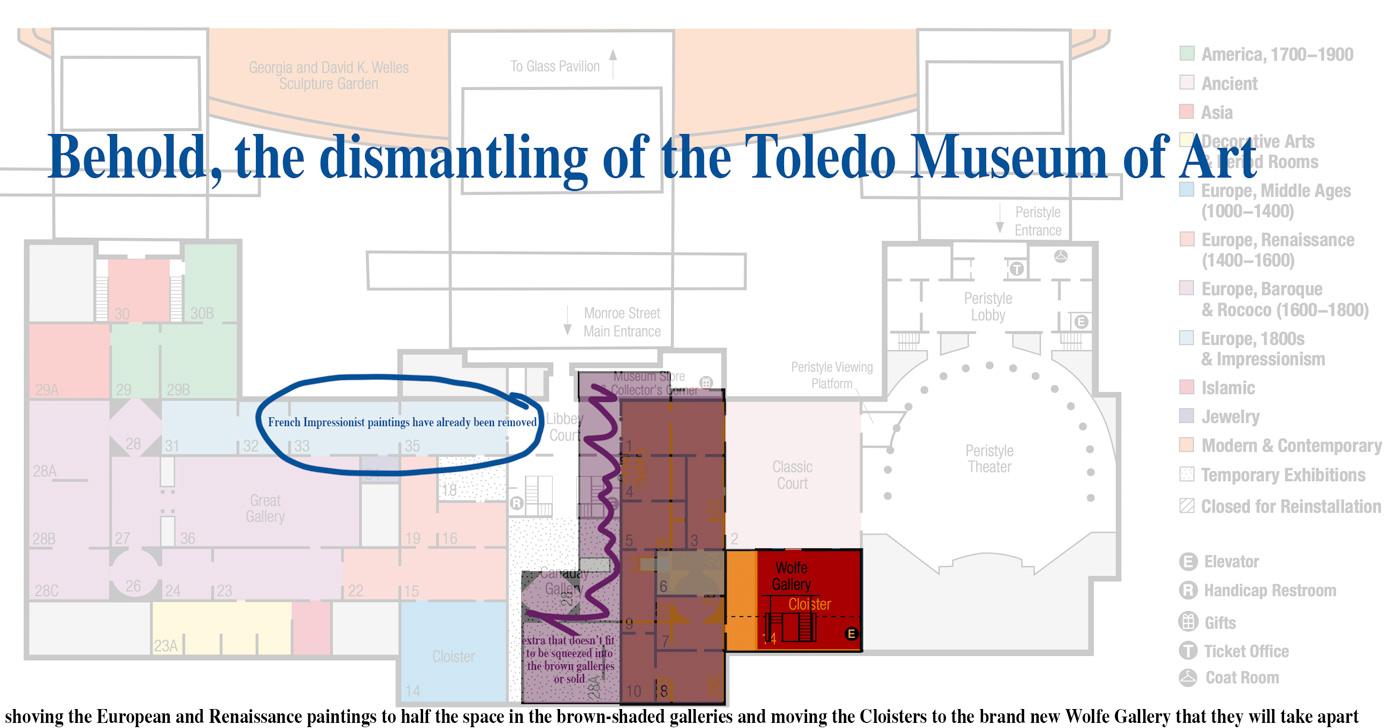
Meanwhile, at the SCCA in Tamale, Ghana…
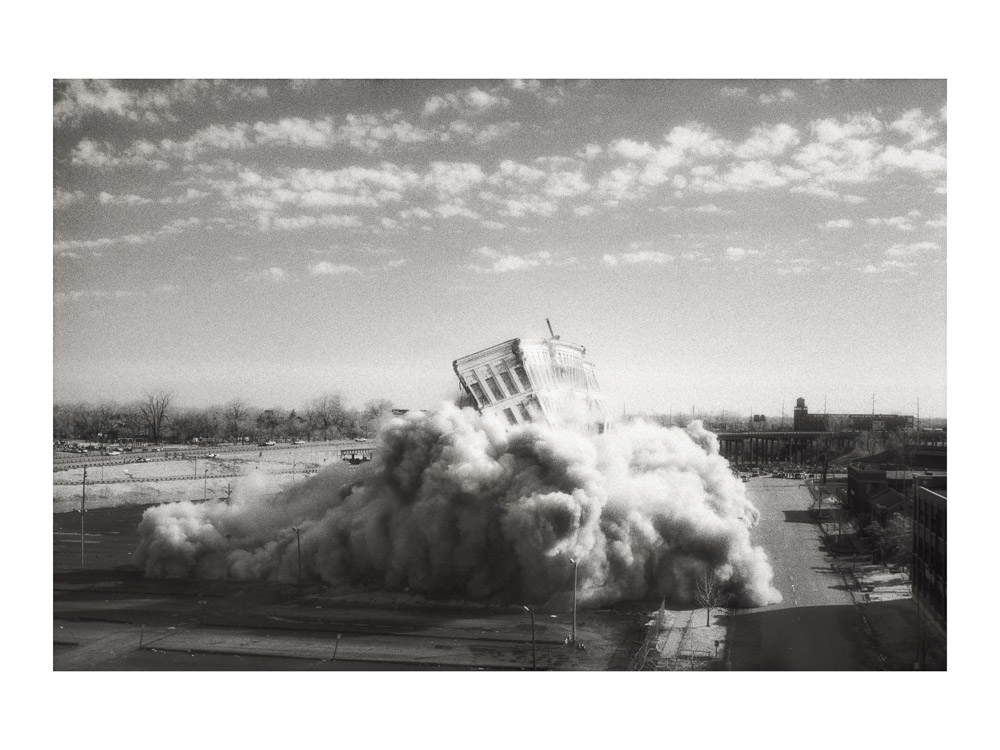
The perspective offered here emerges from long-term observation, archival research, and a lifelong relationship with the Toledo Museum of Art. Photos @Penny Gentieu unless otherwise attributed.
see also:
Timeline of Changes at the Toledo Museum of Art (2014–Present)