
Corruption of the Toledo Area Artists Exhibition in 2014:
A look-back.
 Encounter with Museum Director Brian Kennedy
at the New American Color Exhibition opening November 7, 2014
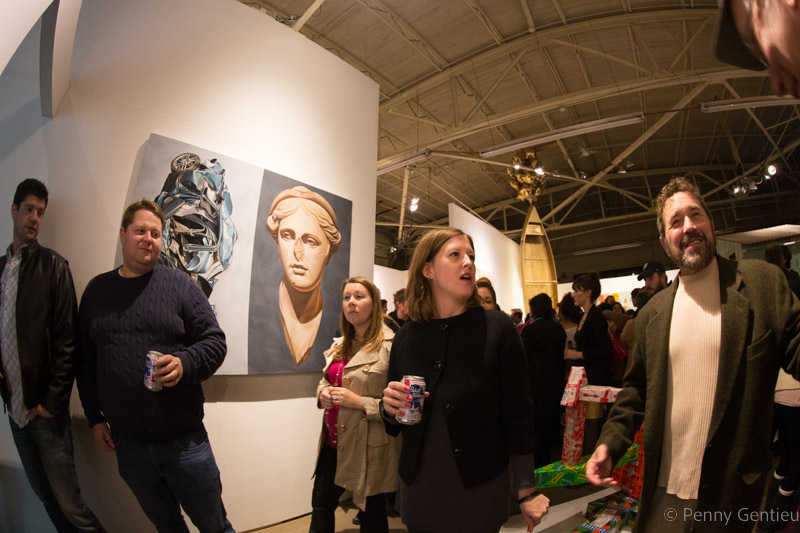
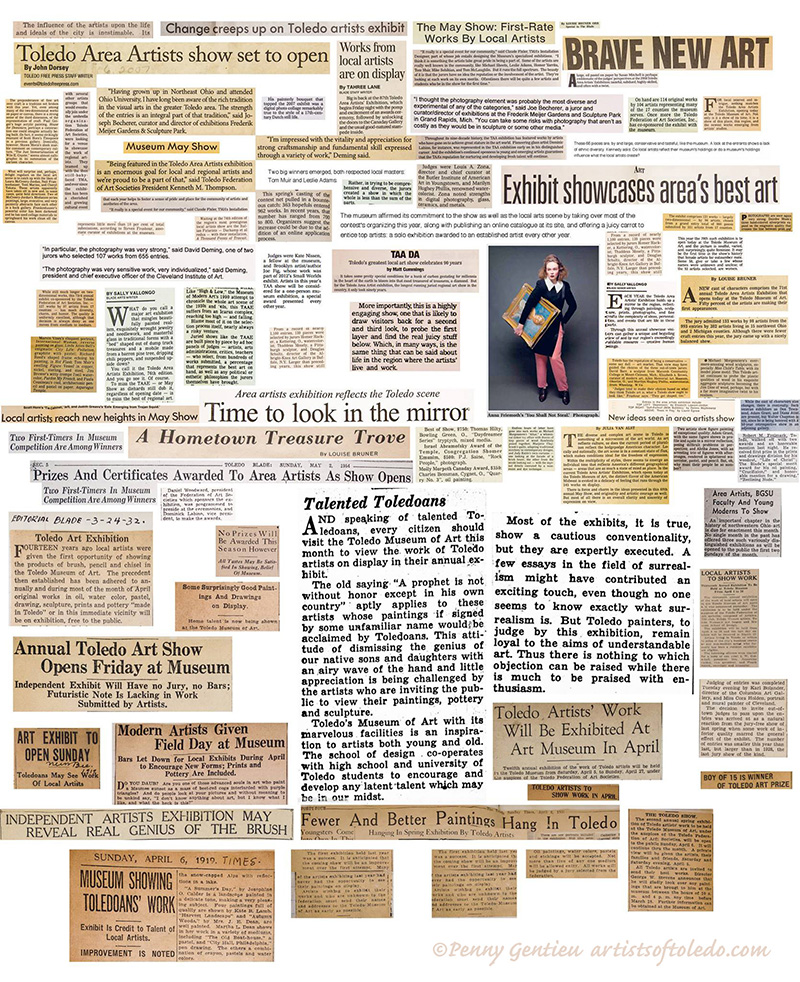
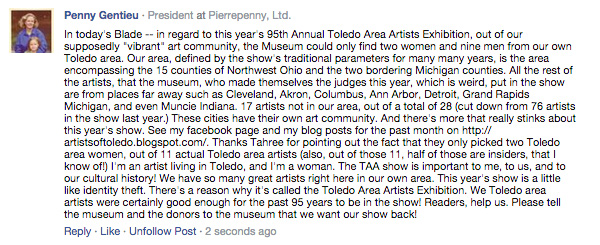
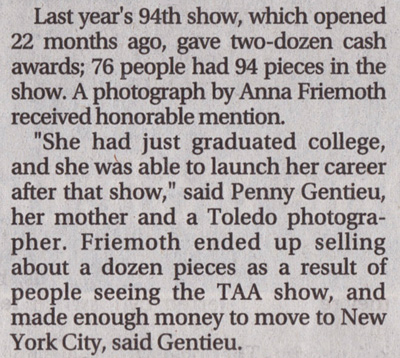
During the opening of the downtown show that was curated by Jefferson Nelson, The New American Color Exhibition, which was well-attended, the director of the art museum, Brian Kennedy caught my eye and beckoned me over in regard to my speaking up about the corrupt 95th annual TAA show. This is how it went.
Kennedy: People are saying that you won’t stop
until the museum gives you a show.
Me: I’ve had my success.
I’m not doing it for me, I’m doing it for the community.
Why didn’t you come to me about this
before you started the public postings?
Seriously? —
I sent you 2 emails and 1 letter last summer
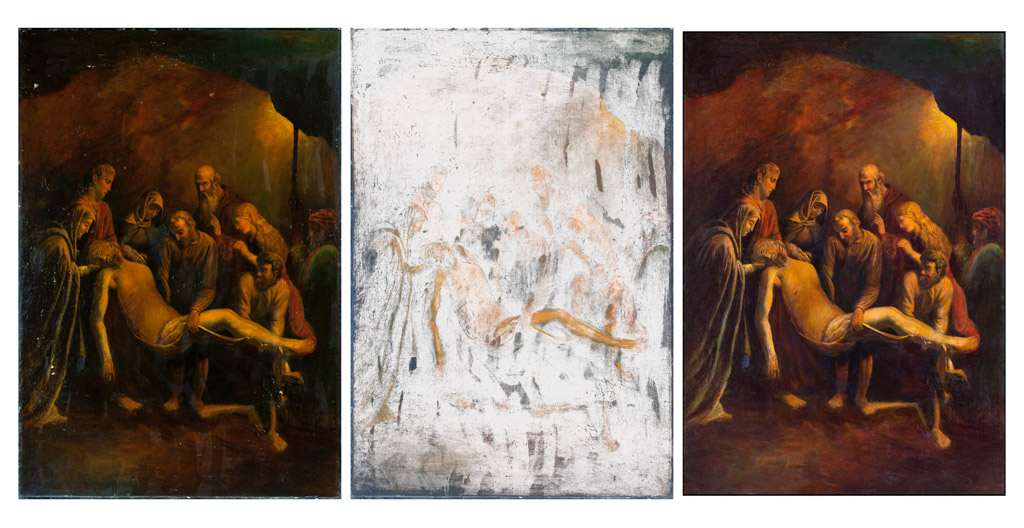
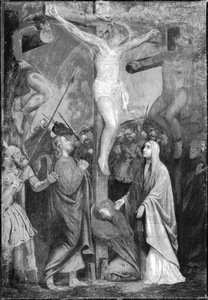
in regard to William Machen’s damaged
Stations of the Cross paintings, asking for just
10 minutes of your time to meet with
Jim Machen and me, and you didn’t respond.
So why would I think you would talk to me
about the corruption of the TAA show?
You want the TAA show?
You take it, you do it!
We do shows at the museum like the Tuilliaries
(not your stinking area art show!)
The museum needs to do the show
since the museum took it away
from the Federation and the
show has a 95-year legacy.
You have a responsibility
to keep the show going.
You can’t just kill it!!!
The Federation didn’t want it anymore.
They said to us, you do it!
No, the museum forced the Federation to
give it over by promising better jurors that
the museum could get with their connections.
I don’t know anything about that,
it was before my time.
Send me the copies of the emails
if you want to.

emails to Brian Kennedy about William Machen’s fire-damaged paintings:
July 23, 2013. I have a favor to ask you, wearing my artistsoftoledo.com hat, in regard to Toledo’s first notable historic artist. William Machen (artistsoftoledo.com/machen.html). Machen’s grand-nephew, Jim Machen has been working really hard to save William Machen’s Stations of the Cross (painted in 1873 for St. Francis de Sales church). They were damaged in a fire and damaged even further by poor restoration some decades ago. He asked me to ask you if we could have 10 minutes of your time to look at some pictures of the paintings on my iPad, to get your opinion about how we could preserve or save these historical treasures. He would just like your advice. That’s all! We know you are very busy but for any chance we might be able to meet with you in the coming weeks, we’d be so appreciative. I will touch base with you next week.
August 5, 2013. I’m following up on my letter regarding the possibility of Jim Machen and I meeting with you to get your recommendations in regard to the restoration of William Machen’s historic Stations of the Cross. Here is the link to his page on ArtistsofToledo.com — https://artistsoftoledo.com/machen.html. Photos of the paintings are on this page, but they don’t look as damaged as they really are because I used heavy polarizing filters when photographing them that disguised the damage to the varnish. We’d like to show you more photos on my ipad and get your opinion, if you have the time.
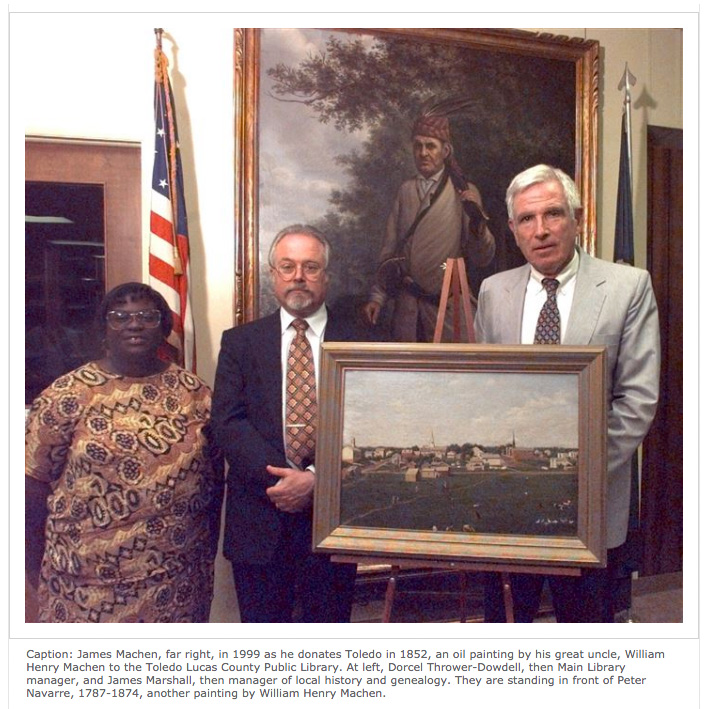
William Machen was Toledo’s first notable artist, and he is considered the first artist to recognize the beauties and traditions of Northwestern Ohio and give them a certain dignity and permanence. Incidentally, you may know this already in relation to the upcoming Perry’s Victory Exhibition, but Machen painted a life-size portrait of Peter Navarre, local hero of the War of 1812, trusted scout and spy. I recently learned that this painting, which was commissioned in 1867 by Henry Hall and painted from life, hung in Henry Hall’s home, which later became the first home of the Toledo Museum of Art, at the corner of Madison Avenue and Thirteenth St. The painting now hangs in the local history department of the downtown library (but you can see it on my website.)
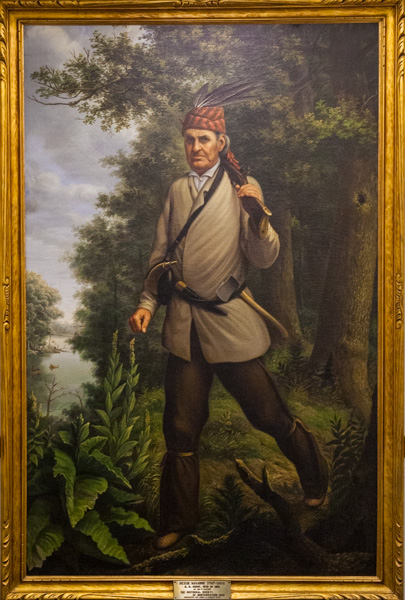
Life-size painting of Peter Navarre, hero of the War of 1812, by William H. Machen, Toledo’s first artist. Painted from life when Navarre was 80 years old. Collection of the Toledo Lucas County Library. Strangely, this painting was not shown in the Toledo Museum of Art’s 2013 Perry’s Victory Exhibition about the War of 1812.
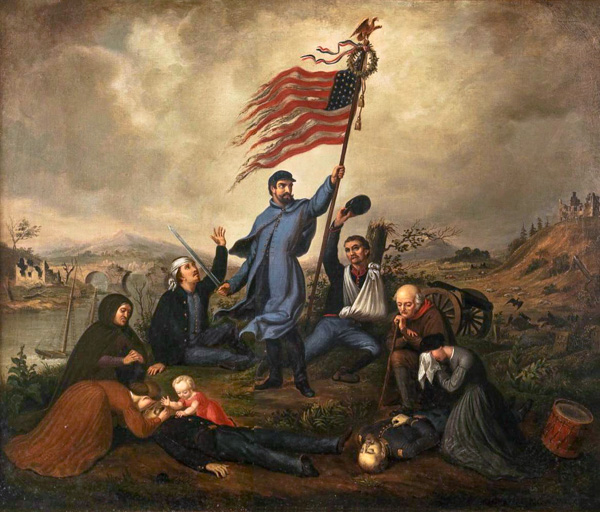
William H. Machen’s War – its glories and griefs – painted in November 1864. In 2014 the museum had a show about Civil War artists. Naturally, this painting was not in it – of course not since he was a Toledo artist.
the disappointing conclusion
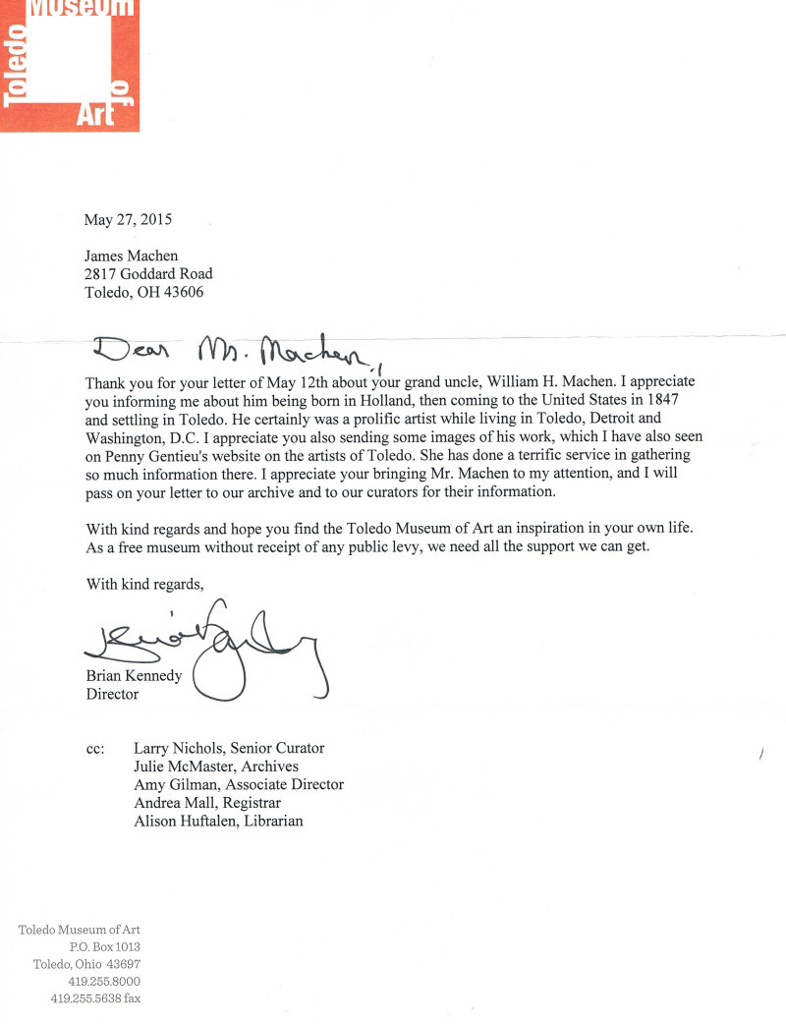
The museum couldn’t give us 10 minutes of their time, after Jim Machen also tried to speak to Brian Kennedy about the damaged Stations of the Cross. Ironic that the museum had not one but two shows about art restoration in the past two years, but they were just too elite to talk to us about art made by Toledo’s first artist. The disconnect between the community and the museum is palpable.
The Toledo Area Artists Exhibition ended in 2014 amid a puff of deceit. Nevermore mentioned. Now comes the resurrection of their so-called commitment to community, albeit a small community living within two miles of the museum. But for the rest of the flock?